
Spot-on about isolation – it’s a real issue for many of us knockin’ on a bit. Reckon what those studies say is true, with nearly half our oldies feeling the pinch of loneliness.
Our chinwag today is gonna dig into some beaut strategies to keep that sense of camaraderie alive and kickin’, no matter your age. We’re talkin’ about bridging the gap between young sprouts and wise old owls – it’s not just good yakka, but it makes everyone’s life fair dinkum better.
Key Takeaways
- Structured programs, volunteer visitor schemes, young mentors, intergenerational playgroups and community organisations pave the way for older adults to make new friends and learn fresh skills. These activities keep their minds sharp and spirits lifted.
- Intergenerational connections smash stereotypes about old age by showing everyone the value of shared wisdom between young and old. They’re cracking at reducing loneliness and boosting happiness for seniors.
- Regular chinwags between different generations can be ace for mental health. These yarns help prevent memory loss in seniors and give them a fair go at staying connected with what’s happening around them.
- Overcoming hurdles like physical distance or tech savviness is key to keeping up these top-notch intergenerational relationships – they’re worth it because they lead to a sense of community where every age feels valued.
- Looking ahead, we should get our heads together on how best to use technology so that even more mates across generations can link up online or through virtual reality games – sounds like a ripper idea!
Importance of Social Connections for Older Adults
Social connections are crucial for the mental health and well-being of older adults. Research shows that regular social interaction can reduce feelings of loneliness and help prevent cognitive decline in seniors.
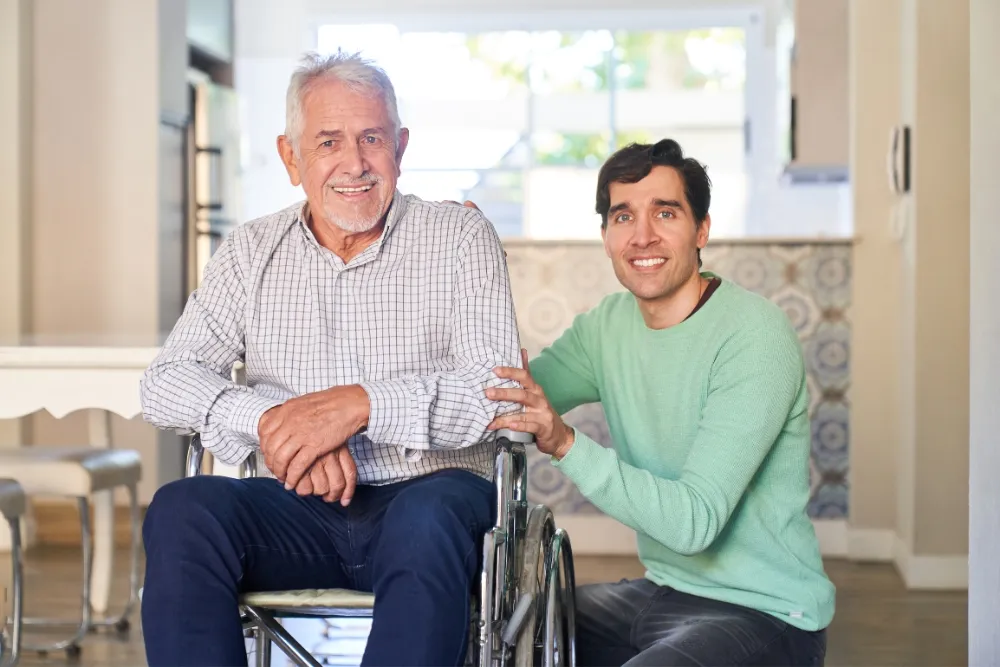
Impact on Mental Health
We see every day how strong social connections can lift spirits and improve mental health among us. Intergenerational activities often lead to laughter, storytelling, and shared experiences that have a powerful effect on mood and outlook.
For our friends in aged care facilities or experiencing isolation at home, joining in with younger generations can be a real game-changer. It’s not just about having company; it’s the quality of interactions that counts.
Shared stories create bonds and combat loneliness, one of the toughest challenges we face as we age.
Getting involved in intergenerational programs doesn’t just brighten our days; it enhances cognitive function too. Regular engagement keeps our minds active and can slow the progress of memory-related conditions.
We’re seeing more smiles, hearing more laughter, and feeling a stronger sense of belonging – all key ingredients for maintaining mental fitness. With support for older adults like this, we’re fostering an environment where everyone feels valued regardless of age.
Let’s move forward together by exploring ways to enhance these vital social connections within our communities.
Influence on Well-being
Intergenerational connections have a significant influence on our overall well-being. Regular social interactions and emotional support from different generations can improve our mental health, reduce feelings of loneliness and isolation, and enhance our sense of belonging.
These connections provide opportunities for sharing experiences, creating new memories, and fostering a sense of purpose as we engage with others in meaningful ways. Being part of intergenerational relationships can lead to increased happiness, greater life satisfaction, and a more positive outlook on life.
Having strong intergenerational connections is vital for maintaining good mental health and enhancing our overall quality of life. Active involvement in these relationships contributes to reducing stress levels and increasing feelings of connectedness within the community.
When we actively participate in intergenerational activities or programs, we create an environment where everyone feels valued despite their age or abilities.
Ways to Enhance Social Connections in Older Adults
Structured programmes, volunteer visitor schemes, young mentors, intergenerational playgroups, and community organisations are all effective ways to enhance social connections in older adults.
These initiatives provide opportunities for meaningful interactions and support the overall well-being of senior citizens.
Structured Programmes
Structured programmes provide a range of activities and events designed to promote social interaction and engagement among older adults. These programmes offer a variety of opportunities for seniors to connect with others through group activities, workshops, and outings.
They can also include educational sessions on topics such as health, technology, or arts and crafts, which not only encourage socialisation but also support ongoing learning and personal development.
These structured programmes create a supportive environment for seniors to build new friendships while participating in enjoyable and stimulating activities. Additionally, these initiatives often take place within community centres or residential care facilities, making them easily accessible for those seeking to expand their social networks.
Volunteer Visitor Scheme
While structured programmes provide a framework for social interaction, the volunteer visitor scheme offers a more personalised and one-on-one approach. In this scheme, volunteers regularly visit elderly individuals to engage in conversations, play games, or simply provide companionship.
The presence of these volunteers helps combat feelings of isolation and loneliness experienced by many older adults. Through meaningful interactions and shared experiences, both the visitors and seniors can form lasting connections that contribute to improved mental well-being.
Additionally, the volunteer visitor scheme allows disabled people and senior citizens to build relationships outside their immediate circles, expanding their social network and fostering a sense of community support.
Young Mentors
After engaging in the volunteer visitor scheme, another effective way to enhance social connections for older adults is through young mentors. Young mentors provide companionship and support to seniors by spending time with them regularly.
This interaction not only offers valuable companionship but also provides opportunities for both generations to share skills, knowledge, and experiences. By participating in this intergenerational connection, seniors receive emotional support while younger individuals gain valuable insights from their elders.
The presence of young mentors can help combat feelings of loneliness and isolation among older adults. Through activities such as storytelling, gardening, or simply sharing a meal, seniors can feel more connected to their communities while enjoying the energy and enthusiasm of younger individuals.
Intergenerational Playgroups
Intergenerational playgroups create opportunities for seniors and young children to engage in meaningful interactions. These sessions involve various activities such as storytelling, crafts, and music which promote bonding between different generations.
Seniors benefit from the lively atmosphere and the chance to share their wisdom, while children gain valuable exposure to different perspectives and experiences.
Engaging in intergenerational playgroups can be a fulfilling way for older adults to stay active and connected within the community. The joy of interacting with energetic youngsters often brings a renewed sense of purpose and vitality to seniors’ lives.
Community Organisations
Community organisations offer a range of programmes and activities for older adults, providing opportunities to socialise, learn new skills, and give back to the community. These organisations often host events such as senior fitness classes, art workshops, gardening clubs, and volunteering opportunities that cater specifically to the needs and interests of seniors.
By participating in these activities, older adults can connect with like-minded individuals and contribute meaningfully to their local community.
Community organisations also serve as a valuable resource for information about support services available for older adults. They often provide access to educational seminars on topics such as healthcare options, financial planning, and technology assistance.
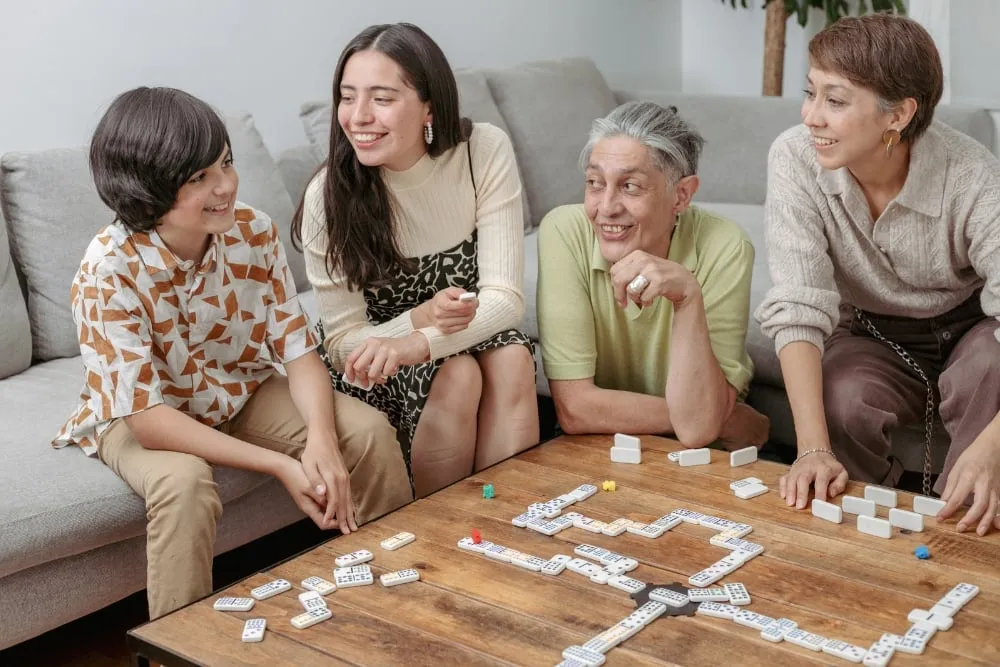
Benefits of Intergenerational Connections
Intergenerational connections can provide older adults with a sense of purpose and fulfilment, fostering a deeper connection to the community and reducing feelings of isolation. These connections also offer the opportunity for seniors to reminisce about their youth, creating positive experiences that have a significant impact on their mental health and overall well-being.
Sense of Purpose
Participating in intergenerational activities gives us a sense of purpose by allowing us to share our knowledge and experiences with younger generations. It helps us feel valued and appreciated, knowing that we are making a positive impact on others’ lives.
Engaging in such connections also provides opportunities for personal growth and self-fulfilment, enhancing our overall well-being.
Being involved in intergenerational interactions encourages us to stay mentally active, keeping our brains sharp and alert as we navigate through different perspectives and ideas. This can be particularly uplifting for seniors looking for ways to stay engaged with their communities while contributing meaningfully to society.
Reminiscing of Youth
Participating in intergenerational activities allows us to reminisce about our youth. Engaging with younger generations can evoke cherished memories from the past. Sharing stories and experiences can create a sense of connection to our youthful days, offering a fulfilling experience.
These interactions provide an opportunity for us to reflect on our journey through life and share valuable lessons with younger individuals, fostering mutual understanding and appreciation across generations.
Effect on Mental Health
Intergenerational connections have a positive impact on mental health. Engaging in social interactions with younger individuals can alleviate feelings of loneliness and isolation among older adults.
These connections provide opportunities for meaningful conversations, companionship, and emotional support, which contribute to a sense of belonging and overall well-being. Participating in intergenerational activities also promotes cognitive stimulation and encourages a more active lifestyle, leading to improved mental acuity and mood regulation.
Furthermore, intergenerational relationships foster a sense of purpose and fulfilment, promoting an optimistic outlook on life. The shared experiences and valuable insights exchanged during these interactions enhance self-esteem, reduce anxiety levels, and create an uplifting environment that supports positive mental health outcomes for seniors.
Addressing Challenges and Seeking Future Research Opportunities
Challenges in promoting intergenerational connections for aged care support include preconceived ideas about the elderly and barriers to engagement. Future research should focus on overcoming these challenges and examining the long-term impact of intergenerational programs on seniors’ well-being.
Preconceived Ideas
Preconceived ideas about intergenerational connections may lead to misconceptions and missed opportunities for meaningful engagement. It’s important to challenge assumptions and stereotypes about different age groups, as this can inhibit the potential for beneficial relationships and support systems.
By remaining open-minded and willing to learn from each other, we can bridge the gap between generations, ensuring that inclusivity and understanding prevail.
Eradicating preconceived notions fosters an environment where diverse perspectives are valued, leading to enriched social interactions and mutual benefit. Embracing the diversity of experiences across generations creates a more inclusive society where everyone feels valued and supported.
Barriers and Challenges
We understand that there are barriers and challenges to overcome when it comes to fostering intergenerational connections for aged care support. Let’s delve into some of the hurdles that we may face:
- Limited opportunities for seniors to engage with younger generations due to physical limitations or mobility issues, can lead to social isolation.
- Negative stereotypes and preconceived notions about older adults’ ability to connect and engage with younger people hinder meaningful interactions.
- Communication barriers arise from generational differences in technology usage and communication styles, which may impede effective engagement between seniors and younger individuals.
- Lack of awareness and understanding within the community about the benefits of intergenerational connections for elderly care support, leading to a lack of support and resources.
- Financial constraints prevent the implementation of intergenerational programmes and activities within aged care facilities, limiting opportunities for meaningful interactions.
Future Research Recommendations
Future research should focus on exploring the impact of technology on intergenerational connections, aiming to develop innovative strategies for bridging the generation gap. Investigating the effectiveness of virtual platforms in fostering relationships between seniors and younger individuals is essential.
Additionally, further research into understanding how different cultural backgrounds influence intergenerational interactions can inform tailored support programs for diverse communities.
Exploring the benefits of animal-assisted therapy in facilitating social engagement among older adults could be another area of interest. Assessing the role of pets or therapy animals in promoting meaningful connections and reducing social isolation within aged care settings holds promise for enhancing overall well-being.
These potential areas for future research have the capacity to enrich our understanding and implementation of effective intergenerational support initiatives.
Be Familiar with Different Approach for Aged Care
In conclusion, fostering intergenerational connections can significantly enhance the well-being of older adults. By engaging in activities with younger generations and participating in community programmes, seniors can experience a sense of purpose and joy.
These interactions have a positive impact on their mental health by providing them with opportunities for reminiscing about their youth and creating meaningful connections. As we continue to explore ways to enhance social connections, it’s essential to address preconceived ideas and overcome barriers that may hinder these valuable intergenerational relationships.
Moving forward, join us with further research into effective social work interventions and elderly care programmes which will be crucial in promoting social inclusion for our ageing population. It is vital for us as a society to embrace the significance of generational connections and ensure that our senior citizens receive the support they need to lead fulfilling lives through meaningful social interactions.