
Navigating the treacherous tides of accessible transportation can often feel like being stuck between a rock and a hard place for many of us dealing with disabilities or mobility challenges.
We get it, it’s not just about getting from A to B; it’s the whole kerfuffle of finding options that don’t just tick the box but genuinely make our journeys smoother and less daunting.
In this yarn, we’re diving into an array of accessible transport solutions, stretching from those supported by the NDIS right through to savvy tech innovations designed to take some of the edge off travelling.
So stick around, because we’re keen to share some insights that might just make your next outing a breeze!
Key Takeaways
- Accessible transport helps people with disabilities gain independence, enabling them to reach destinations safely and comfortably. This includes options like wheelchair-friendly vehicles, NDIS transport services, and door-to-door assistance, which cater specifically to their mobility needs.
- Challenges such as a lack of accessible public transport can lead to increased isolation among individuals with disabilities. However, modified taxis, ridesharing options, and technological innovations are improving accessibility and convenience for disabled travellers.
- Legal frameworks play a key role in ensuring transport services meet the needs of those with disabilities by requiring features such as wheelchair-accessible vehicles and specialised staff training. Public awareness and education further support inclusivity by highlighting the importance of barrier-free travel experiences.
- Personal stories from individuals advocating for better accessible transport highlight the ongoing need for community engagement and policy influence to create more disability-friendly transport solutions. Collaboration between local organisations, policymakers, and individuals is essential for positive changes.
- Future advancements in accessible transport look promising thanks to technology improvements that offer real-time tracking of specialised services and innovative vehicle modifications designed for ease of use by people with mobility challenges.
Understanding the Need for Accessible Transportation
Individuals with disabilities face significant challenges when it comes to transportation, impacting their mobility and independence. Accessible transportation services not only provide essential travel support but also promote community participation and inclusion.
Challenges faced by people with disabilities
We often come across various hurdles that make daily commutes tough for us. One major challenge is finding wheelchair-accessible transportation, which isn’t always readily available in many areas.
This lack of access forces us to rely heavily on services that do not cater specifically to our needs, making simple trips a major ordeal.
Public transport options sometimes fall short in terms of accessibility features, leaving us feeling excluded from community participation and transport opportunities. For those of us seeking independence through travel, the existing disability transport services might not meet all our requirements or provide the comfort we deserve during our journeys.
Importance of accessible transportation services
Accessible transportation services are crucial for individuals with disabilities and senior citizens to maintain their independence and actively participate in the community. These services offer wheelchair-accessible vehicles, door-to-door assistance, and community shuttle options, enabling easy access to public transport and specialised transit solutions.
Accessible transportation not only provides a means for people with disabilities to travel independently but also ensures safe, reliable, and comfortable commuting experiences. By improving accessibility in transportation, individuals can engage more freely in social activities, attend medical appointments, and access employment opportunities without barriers.
Furthermore, accessible transportation options foster inclusivity by breaking down mobility barriers and empowering individuals to lead fulfilling lives. It underpins the fundamental rights of disabled people to move around with ease, just like any other member of society.
Statistics on disability and transportation
Understanding the significant challenges faced by individuals with disabilities in accessing reliable transportation underscores the need for comprehensive solutions. Our community, especially disabled people and senior citizens, often encounters barriers that limit their mobility and independence. The statistics below shed light on the scope of these challenges and highlight the imperative for accessible transportation services.
| Statistic | Detail |
|---|---|
| Percentage of Disabled Australians Experiencing Transportation Barriers | 53% |
| Public Transport Usage Rate Among People with Disabilities | 25% lower than the general population |
| Average Additional Annual Cost of Transportation for People with Disabilities | Thousands of dollars |
| Proportion of Disabled Individuals Reporting Insufficient Transport Services | 30% |
| Impact of Transportation Barriers on Employment | 13% lower employment rate among disabled individuals |
These figures underscore the pressing need for accessible transportation options. They are not just numbers but reflect real-life challenges impacting the day-to-day lives of many in our community. Moving forward, let’s explore the different types of accessible transportation solutions available, offering hope and improved mobility for all.
Types of Accessible Transportation Solutions
Accessible transportation solutions include NDIS transport services, modified taxis and ride-sharing options, specialised vehicles for mobility aids, and technological innovations.
These solutions provide the necessary support to ensure safe and comfortable travel for individuals with disabilities.
NDIS transport services
NDIS transport services offer wheelchair-accessible transportation and door-to-door services, ensuring that individuals with disabilities have access to safe and reliable travel options.
These specialised transit services are designed to enhance travel independence by providing bespoke solutions tailored towards the unique mobility needs of each individual. With NDIS transport solutions, disabled people can access community shuttle services and public transport options that cater to their specific requirements.
The availability of NDIS transport services not only ensures disability-friendly transportation but also contributes to creating inclusive transportation systems for people with disabilities.
By utilising these accessible public transit options, individuals can experience barrier-free travel while navigating through their daily activities with ease.
Modified taxis and ridesharing options
Modified taxis and ridesharing options cater to people with disabilities by providing accessible and convenient travel solutions. Wheelchair-accessible vehicles equipped with ramps or lifts offer door-to-door services, ensuring safe and comfortable transportation for wheelchair users.
Additionally, specialised ridesharing services tailored towards individuals with disabilities provide a more inclusive transport option. These innovative solutions enhance independence and mobility, addressing the specific needs of disabled individuals while promoting inclusivity in the realm of transportation.
By embracing modified taxis and ridesharing options, disabled people can access barrier-free transportation services that are tailored to their unique requirements. This not only enhances their ability to navigate daily activities independently but also fosters a sense of empowerment within the disability community.
Specialised vehicles for mobility aids
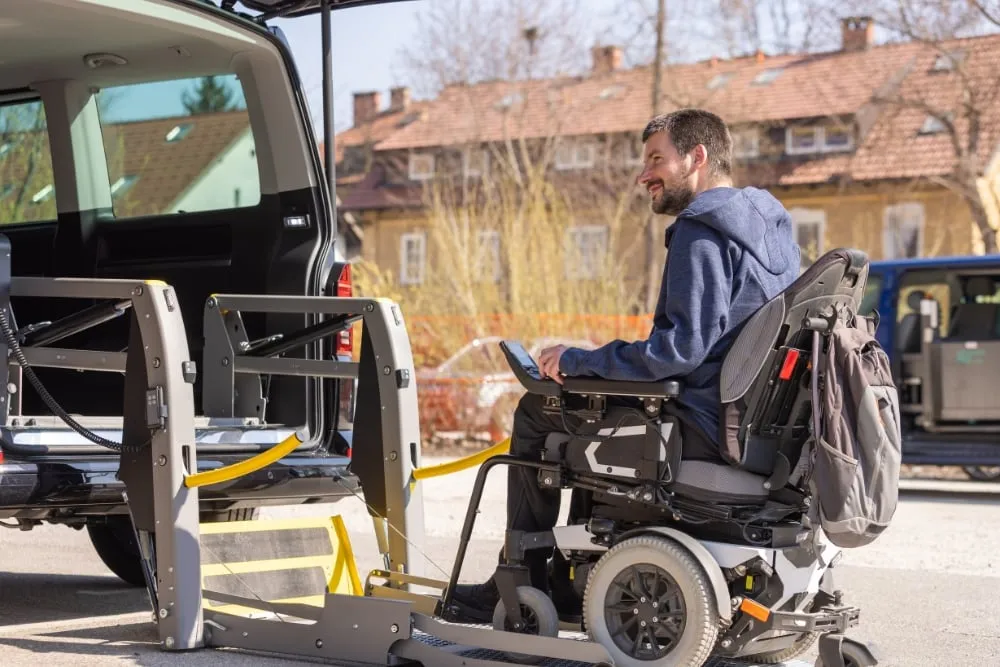
Wheelchair-accessible vehicles are specially designed to accommodate mobility aids such as wheelchairs and scooters. These vehicles offer features like ramps, lifts, and lowered floors for easy access.
They provide a safe and comfortable travel experience, allowing individuals with disabilities to maintain their independence when travelling from one place to another. Such specialised transport options cater directly to the needs of people with disabilities, ensuring that they can move around without any hassle.
These vehicles play a crucial role in enabling individuals with disabilities to participate more fully in society by providing them with the freedom to travel independently. Whether it’s running errands or accessing medical appointments, wheelchair-accessible vehicles are essential for maintaining an active and engaged lifestyle within the community.
Technological innovations
Technological innovations have transformed accessible transportation options for people with disabilities. Advanced apps and software now enable real-time tracking of wheelchair-accessible vehicles, such as modified taxis and specialised transport services.
GPS technology in public transport provides up-to-date route information, making it easier to plan trips and navigate through the city. Additionally, innovative vehicle modifications ensure a comfortable and safe travel experience for individuals with mobility challenges.
These advancements empower individuals with disabilities to independently access various transportation options, enhancing their overall freedom and mobility.
Cutting-edge tools like mobile applications designed specifically for those needing disability-friendly transportation also provide convenience by offering door-to-door services tailored towards individual needs.
Ensuring Safe and Comfortable Travel
To ensure safe and comfortable travel, we need to enforce legal frameworks and accessibility standards. Public awareness and education also play a vital role in promoting inclusivity within transportation services.
Legal frameworks and accessibility standards
Legal frameworks and accessibility standards ensure that transport services are designed to meet the needs of people with disabilities. These regulations mandate that transportation providers offer wheelchair-accessible vehicles, mobility aid securing devices, and specialised staff training to assist passengers with diverse needs.
These standards also dictate accessible public transport options and door-to-door services for individuals with limited mobility. By adhering to legal frameworks and accessibility standards, we can guarantee safe and inclusive travel experiences for all members of our community.

These measures not only provide a sense of independence but also promote equal access to transportation services. By upholding these regulations, we create an environment where disabled individuals can navigate their surroundings with confidence and ease.
Public awareness and education
Creating public awareness is crucial for ensuring that people with disabilities have access to the transportation services they need. Educating the community about disability transport options and the importance of inclusive transportation services helps break down barriers and build a more supportive environment for everyone.
By raising awareness, we can encourage policymakers, businesses, and individuals to prioritise accessibility in transportation, leading to positive changes that benefit all members of our community.
Moving forward to “Personal experiences and advocacy,” let’s explore real-life stories of individuals who have championed accessible transportation solutions.
Personal experiences and advocacy
We understand the challenges faced when it comes to accessing transportation as people with disabilities, and we’ve embarked on advocating for change. Here’s what we have learned through our experiences:
- Personal Advocacy: Sharing our individual stories and challenges to raise awareness and advocate for more accessible transportation options.
- Community Engagement: Collaborating with local organisations and authorities to push for disability-friendly transport solutions.
- Policy Influence: Working with policymakers to ensure that laws and regulations are in place to support accessible transportation.
- Education and Empowerment: Providing information and resources to empower individuals with disabilities to navigate the transportation system confidently.
Improving access to transportation is crucial. For a better future, everyone should have equal opportunities for convenient transport services, ensuring independence and participation in society.
Embrace Accessible Transportation Solutions in Disability Services
Improving accessibility in transportation is crucial for promoting inclusion and independence among individuals with disabilities. As we explore the benefits of accessible transportation services, it’s essential to consider future trends and advancements in accessibility as well as the pivotal role community involvement and support play in enhancing mobility solutions for people with disabilities.
Benefits of accessible transportation services
Accessible transportation services offer numerous advantages for individuals with disabilities and senior citizens. These services provide increased independence, allowing us to reach our desired destinations without having to rely on others for assistance.
With wheelchair-accessible transportation options and door-to-door services, we can travel safely and comfortably, enhancing our overall mobility and quality of life. Additionally, accessible public transportation and specialised vehicles cater to our unique needs, ensuring that we can navigate the world around us with ease.
By utilising these disability-friendly transport solutions, we gain the freedom to explore new places and engage in various activities independently.
Furthermore, accessible transport options play a pivotal role in fostering community inclusion. They enable us to participate in social gatherings, attend medical appointments, access educational institutions, and engage in employment opportunities without barriers.
These services also contribute to creating a more inclusive society by breaking down transportation-related hurdles that could otherwise limit our active participation in daily life activities.
Importance of improving accessibility in transportation
Improving accessibility in transportation is crucial for individuals with disabilities and senior citizens. Accessible transport services enable independent travel, enhancing the quality of life.
Wheelchair-accessible transportation and door-to-door services are essential for ensuring mobility and freedom. These specialised transport options empower individuals to engage in daily activities, attend appointments, and participate in social events without barriers.
It fosters a sense of independence and inclusion within our communities.
Ensuring that all forms of public transportation are wheelchair accessible is vital for maintaining equal opportunities for everyone. Accessible transportation not only provides mobility but also supports physical and mental well-being by reducing isolation levels among disabled people.
Future trends and advancements in accessibility
Specialised transport for people with disabilities is constantly evolving. Technological advancements are making wheelchair-accessible transportation more efficient and convenient.
More disability-friendly transportation options are becoming available, such as improved NDIS transport services and ridesharing solutions tailored towards individuals with mobility challenges.
The ever-evolving realm of accessible travel for individuals with disabilities is not only designed to enhance independence but also ensure a barrier-free experience.
Community involvement and support.
We all need to work together to make transportation more accessible for everyone. Your involvement and support are crucial to advocating for disability-friendly transportation services.
This includes raising awareness, participating in community discussions, and sharing your experiences to drive positive change. By joining forces, we can ensure that specialised transport for people with disabilities continues to improve and evolve for a more inclusive society.
Contact us and learn more about innovative transportation solutions for disability services, please reach out to our team.