
Navigating life with a disability or being there for someone who does can often throw up its fair share of challenges. Trust us, we get it, we’ve been down that road ourselves, and that’s exactly why we’ve dedicated our time to hunting down the very best solutions out there.
Our yarn today is all about shining a light on the freshest breakthroughs in assistive technology designed to make everyday life not just easier but truly richer for people with disabilities.
Keen to find out what’s cutting-edge? Stick around!
Key Takeaways
- New assistive technologies like the Orbiter Smart Cushion, GlassOuse hands-free mouse, and Xander Glasses are transforming daily lives by improving mobility, comfort, and visual experiences for people with disabilities.
- Devices such as the Ara Assistive Technology Device by Strap Technologies and the AngelSense Watch offer innovative solutions for enhancing independence and safety, making everyday tasks more accessible.
- These advancements play a crucial role in promoting better communication, education, and overall quality of life for disabled individuals through tailored support and cutting-edge features.
The Evolution of Assistive Technology
Assistive technology has significantly evolved over the years, catering to the diverse needs of people with disabilities. It goes beyond mere accessibility aids and adaptive equipment, offering advanced solutions for daily living challenges.
What is assistive technology?
We use assistive technology to overcome challenges in our daily lives, making things easier and more accessible for us. This includes a wide range of devices, software, and tools that provide support for those with disabilities or senior citizens who might face difficulties with mobility, communication, or other activities.
From smart wheelchairs that navigate through tight spaces to adaptive keyboards designed specifically for individuals with limited hand movement, assistive technology solutions are transforming lives.
These innovations allow people to enjoy greater independence and participate more fully in educational pursuits, work settings, and social scenarios. They embody the spirit of inclusivity by enabling access to opportunities that were once out of reach due to physical or intellectual disabilities.
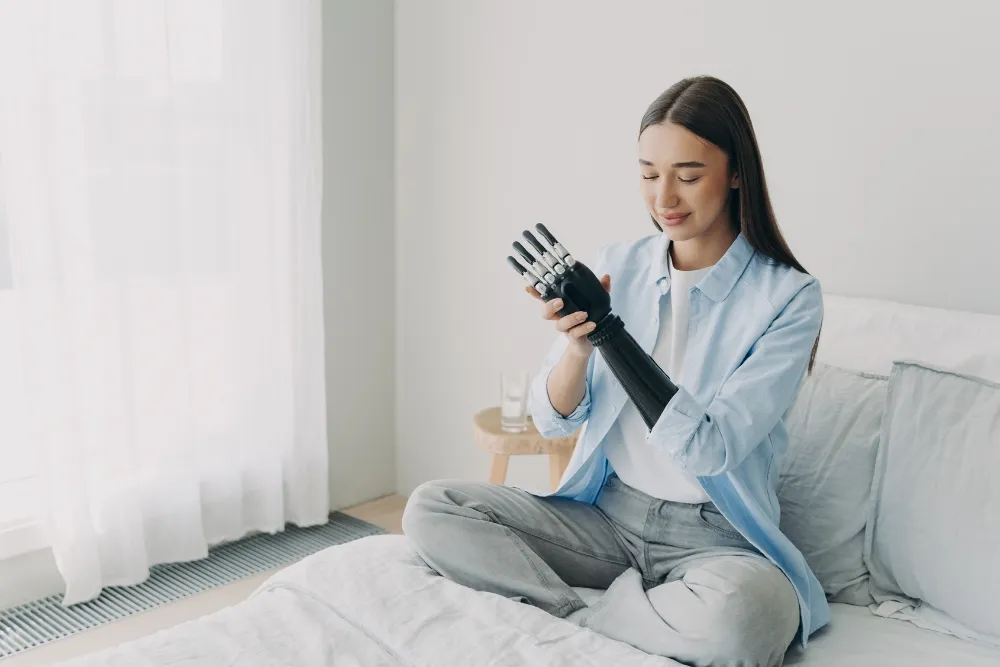
Through disability aids like bionic limbs and virtual software assistants, we’re not just imagining a world where everyone can thrive; we’re actively building it.
Different from adaptive equipment
Assistive technology is different from adaptive equipment in the way it focuses on using electronic or mechanical devices to make daily tasks easier. Unlike adaptive equipment, which often includes items like wheelchairs and walkers, assistive technology encompasses a broader range of tools designed to enhance independence and improve the quality of life for people with disabilities.
These advanced devices can include anything from smart cushions and hands-free mouse systems to specialised glasses and wearable tracking devices.
The main difference lies in the level of technological innovation involved, as assistive technology aims to provide tailored solutions that go beyond simple modifications by utilising cutting-edge advancements to address specific accessibility needs.
Current Advancements in Assistive Technology
Discover the latest advancements in assistive technology that are transforming disability services. These cutting-edge innovations are reshaping the landscape of accessibility and independence for people with disabilities.
Orbiter Smart Cushion
The Orbiter Smart Cushion is a groundbreaking piece of assistive technology created to improve comfort and reduce the risk of pressure sores. It is designed with built-in sensors that automatically adjust the cushion’s air pockets, providing tailored support when seated.
The cushion also includes a smartphone app that allows users to monitor their sitting behaviour and receive reminders for repositioning. This innovative device promotes better posture and reduces discomfort, offering practical assistance to those who spend extended periods in a seated position due to mobility challenges or disabilities.
GlassOuse hands-free mouse
The GlassOuse hands-free mouse allows users to control their computer or smart devices without the need for manual dexterity. Using simple head movements and bites or gentle blows on a specially designed mouthpiece, individuals can navigate websites, play games, and send emails.
The device offers improved accessibility for those with limited mobility, enabling them to engage more independently in everyday activities such as online communication and entertainment.
The GlassOuse hands-free mouse is designed to provide practical support for disabled individuals and senior citizens by enhancing their digital interaction through an easy-to-use and accessible interface.
Ara Assistive Technology Device by Strap Technologies
Transitioning from the GlassOuse hands-free mouse to the Ara Assistive Technology Device by Strap Technologies, let’s delve into a unique innovation designed to enhance accessibility for individuals with disabilities.
The Ara device is tailored towards providing mobility support and assistance through advanced technology. This portable and robust device offers bespoke solutions in the realm of assistive devices, aiming to unlock the secrets of enhanced independence and mobility.
The Ara Assistive Technology Device by Strap Technologies is meticulously crafted to navigate the complexities faced by individuals with disabilities. Not only does it cater to mobility needs, but it also supports users in seeking more than just basic assistance.
Xander Glasses by Xander
Xander Glasses by Xander are innovative wearable assistive devices designed to enhance the visual experience for people with sensory impairments. These glasses use cutting-edge technology to provide real-time image and text recognition, facilitating independent navigation and reading for users with visual challenges.
The lightweight and sleek design ensures comfort while incorporating advanced features like voice control, magnification, and contrast adjustment. With Xander Glasses, individuals can effortlessly engage in various activities such as reading books, navigating unfamiliar environments, or identifying objects without dependency on others.
The versatility of Xander Glasses makes them a valuable tool for enhancing autonomy and confidence among individuals facing visual obstacles. This adaptive technology empowers users by equipping them with practical support tailored towards their needs.
AngelSense Watch
Transitioning from the innovative Xander Glasses by Xander, we now turn our attention to the AngelSense Watch. This cutting-edge device is designed to enhance safety and provide peace of mind for individuals with disabilities or senior citizens who may need extra support in maintaining their independence.
The AngelSense Watch offers real-time GPS tracking, two-way voice communication, and an SOS feature for emergency situations. With its durable design and user-friendly interface, this assistive technology device is tailored towards promoting safety and security for those within the disability services realm.
Whether it’s a student with disabilities seeking more than just a watch or a senior citizen embarking on activities independently, the AngelSense Watch unlocks new possibilities by providing mobile app accessibility and robust features that contribute to improved quality of life for individuals with diverse needs.
The Benefits and Impact of Assistive Technology
Assistive technology enhances independence and promotes education for disabled individuals. It also improves communication, making it easier for people with disabilities to engage in daily activities.
Improving independence
Improving independence is vital for enhancing daily life. Assistive technology like Orbiter Smart Cushion and GlassOuse hands-free mouse are designed to enhance mobility and promote autonomy.
Xander Glasses by Xander and AngelSense Watch provide safety features, offering peace of mind while being independent. These advancements empower individuals with disabilities to navigate their environments confidently, promoting self-sufficiency in various activities.
Furthermore, Ara Assistive Technology Device by Strap Technologies enables users to control electronic devices independently using voice commands. This technology helps individuals with disabilities manage everyday tasks without relying on assistance from others, contributing to a more inclusive and autonomous lifestyle.
Enhancing communication
Enhancing communication is crucial for anyone, including those with disabilities. Assistive technology has made significant strides in this area, offering solutions such as speech-generating devices and communication apps tailored to individual needs.
These tools not only assist in expressing thoughts and feelings but also facilitate interaction with others, fostering a sense of connection and community.
Furthermore, advancements like eye-gaze technology enable individuals to communicate through eye movements, opening up new avenues for self-expression and engagement. These innovative solutions are revolutionising the way people with disabilities can communicate effectively and confidently.
Promoting education
To enhance learning, modern assistive technology can provide essential tools and resources for students with disabilities. By offering adjustable font sizes, screen readers, speech-to-text software and other accessible features, these technologies enable individuals to access educational materials independently.
These innovations are designed to cater specifically to diverse learning needs, fostering an inclusive environment that empowers learners of all abilities.
Incorporating state-of-the-art assistive technology in educational settings ensures that students with disabilities have equal opportunities to engage in academic pursuits. Accessibility services within the education system play a crucial role in promoting inclusion and facilitating a more equitable learning experience for all individuals.
Navigating the Resources and Support for Assistive Technology
When it comes to accessing support and resources for assistive technology, individuals can connect with service providers, access information through Centrelink, seek support from Focus Care, explore healthcare services, and enquire about insurance coverage.
Connecting with these avenues will provide tailored assistance towards obtaining the necessary technology.
Accessing through Centrelink
To access assistive technology through Centrelink, you can apply for the Mobility Allowance if you’re 16 years of age or older and have a disability that stops you from using public transport without substantial assistance.
You might also be eligible for this allowance if you travel to work, training, study, or job-seeking activities. Additionally, under the National Disability Insurance Scheme (NDIS), funding might be available to help cover costs associated with the purchase of assistive technology.
This scheme aims to provide eligible individuals with greater choice and control over their support. To explore these options further, contacting Centrelink directly or seeking guidance from an NDIS planner could prove beneficial in finding suitable solutions tailored towards your specific needs.
Support from Focus Care
Focus Care provides tailored support for accessing assistive technology, ensuring that individuals with disabilities have the resources they need to improve their quality of life. The support encompasses navigating through different options and understanding the process of obtaining specialised devices and equipment.
Focus Care assists in identifying suitable technologies, making it easier to gain independence and participate more fully in daily activities.
Our team at Focus Care has extensive experience working with disabled individuals and is knowledgeable about the various funding options available. We are committed to helping you access the assistance you need to integrate innovative technologies into your daily routine, empowering you to live life on your own terms.
Healthcare services
Healthcare services play a crucial role in accessing and maintaining assistive technology. It is essential to connect with healthcare providers who understand your specific needs and can provide tailored solutions that enhance your independence and well-being.
Whether it’s through Centrelink, Focus Care support, or insurance coverage, these resources can offer the necessary assistance for obtaining mobility technology, exoskeletons, and other accessible technology that caters to special needs.
Additionally, service providers can guide you through the complexities of acquiring disability assistance technology while ensuring meticulous support every step of the way.
Ensuring access to healthcare services is vital for individuals seeking more than just medical assistance; they are designed to enhance overall quality of life by addressing unique challenges associated with disabilities.
Insurance coverage
Insurance coverage is an essential aspect of accessing assistive technology. It provides financial support for acquiring the necessary devices and equipment, ensuring that individuals with disabilities have access to the tools they need to improve their independence and quality of life.
Insurance coverage can help offset the costs associated with specialised technology, making it more affordable for individuals seeking to enhance their daily living experiences.
Some insurance plans may offer coverage for specific assistive technologies, such as communication devices or mobility aids. Understanding your insurance policy and its provisions related to disability support services can help you navigate the process of obtaining the necessary coverage.
Connecting with service providers
When seeking assistance with assistive technology, it’s essential to connect with service providers who understand your specific needs and can offer tailored solutions. Service providers such as Focus Care can guide you through the process and help you access the resources you require.
Additionally, healthcare services like Centrelink may provide invaluable support and information regarding available options. It is advisable to explore these avenues to ensure that you receive the best possible assistance in navigating the realm of advancements in assistive technology for disability services.
By connecting with service providers, disabled individuals and senior citizens can gain access to a wealth of support and expertise tailored towards their unique requirements. This engagement unlocks the secrets to harnessing the benefits of innovative technologies designed to enhance independence and communication.
Embrace Technology for Disability Services
Advancements in assistive technology for disability services have opened new doors to independence and improved quality of life. The Orbiter Smart Cushion, GlassOuse hands-free mouse, Ara Assistive Technology Device by Strap Technologies, Xander Glasses by Xander, and AngelSense Watch are some outstanding examples of recent innovations.
These technological advancements not only enhance communication but also promote education and provide essential support. Accessing resources through Centrelink or connecting with service providers can help individuals benefit from these cutting-edge solutions. Contact us to learn more about the advancements in assistive technology for disability services.