
We all know how tough it can be to get outdoors and have a connection with nature. We’ve all felt that tug, especially when you consider that 1 in 5 Aussies live with a disability, making the great outdoors inviting yet sometimes just out of reach.
This article is going to have a look at how we can spruce up our green spaces to make sure they’re there for everyone, focusing on those extra perks for individuals with disabilities.
Time to dive in and explore this together, fair dinkum!
Key Takeaways
- Accessible green spaces improve the quality of life for people with disabilities, offering physical and mental health benefits such as stress reduction and increased fitness.
- Incorporating features like wheelchair-friendly paths, sensory gardens, and raised garden beds makes nature accessible to everyone, fostering inclusivity.
- Partnering with disability services is crucial in creating outdoor areas that cater to the needs of those with disabilities. This collaboration ensures all community members can enjoy the outdoors.
- Promoting outdoor access involves building infrastructure that supports diverse abilities, ensuring everyone can connect with nature and participate in vibrant street life.
- Valuing local flora and fauna enriches our connection to the environment, supporting conservation efforts while enhancing our sense of belonging within the community.
Benefits of Green Spaces for People with Disabilities
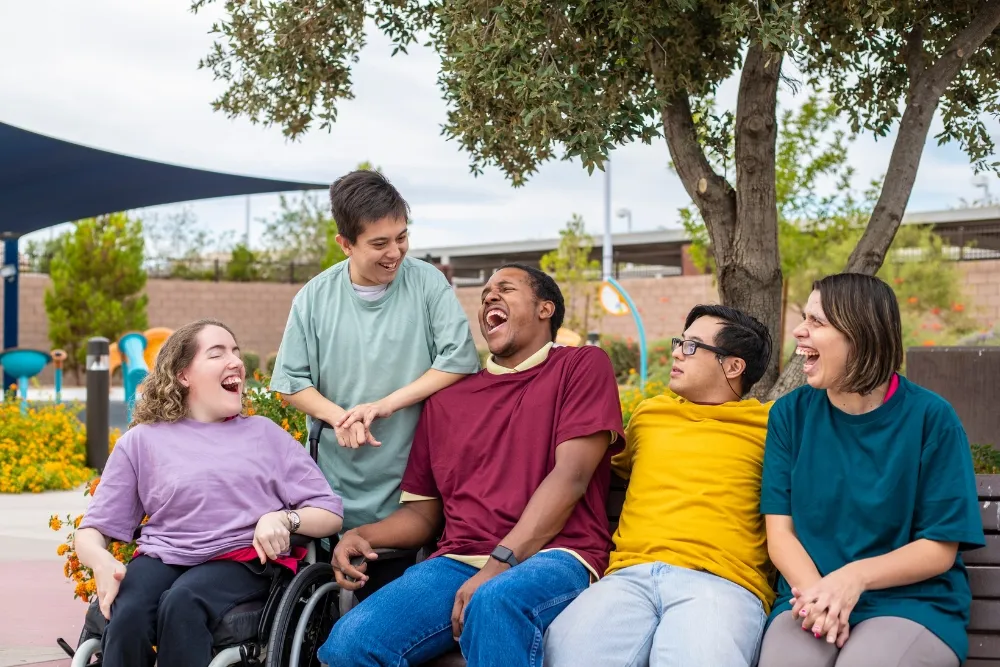
Green spaces greatly enhance the quality of life for people with disabilities and contribute to their improved physical and mental well-being. They also encourage vibrant street life, providing opportunities for social interaction and community engagement.
Enhanced quality of life
We all seek a better quality of life, and for us, spending time in green spaces can be a game-changer. These accessible parks and gardens offer more than just beauty; they bring us closer to nature, providing a sense of peace and happiness.
Being outdoors increases our exposure to fresh air and natural light, vital elements that boost our mood and overall well-being.
Accessibility in these natural settings opens up opportunities for inclusive recreational activities. Whether it’s feeling the grass underfoot or listening to birds chirp, engaging with the environment enriches our lives.
It allows us to break free from daily stresses and enjoy moments of tranquillity. For those of us with disabilities or senior citizens who face limitations in mobility, easy access to green therapy spots can significantly enhance our connection with the world around us.
Improved physical and mental wellbeing
Spending time in green spaces helps us feel better both physically and mentally. Walking on accessible paths, breathing fresh air, and enjoying the natural surroundings can reduce stress, improve mood, and increase physical fitness.
Being outdoors also supports mental well-being by providing a calming environment where we can relax and recharge. Accessible outdoor spaces allow us to engage with nature in ways that benefit our overall health.
Engaging with nature in ecotherapy programmes can provide a sense of peace and connection with the environment around us. These interactions help boost our physical activity levels while also promoting mental clarity and emotional balance.
Encourages vibrant street life
Engaging with green spaces not only enhances our physical and mental well-being but also encourages vibrant street life. When accessible outdoor areas are designed to be inclusive for all, it creates opportunities for people with disabilities and senior citizens to participate in community activities, fostering a sense of liveliness and connection.
Nature engagement can bring diverse groups together, promoting social interaction and creating a dynamic atmosphere within our neighbourhoods.
Furthermore, accessibility to green spaces allows everyone to take part in communal events and gatherings outdoors, contributing to the vitality of local communities. Promoting outdoor accessibility for disabled individuals is essential for ensuring that everyone can actively participate in the lively street life that nature brings.
Importance of Access to Green Spaces
Access to green spaces is vital for people with disabilities, as it nurtures a connection to nature and contributes to improved physical and mental well-being. Green spaces also provide essential “ecosystem services,” offering valuable benefits such as clean air, water, and biodiversity.
Connection to nature
Spending time in green spaces has a positive impact on our physical and mental well-being. Being surrounded by nature can help us feel more relaxed and reduce stress, while also improving our mood.
Connecting with nature through activities like gardening or simply taking a walk in the park can provide an opportunity to enjoy the outdoors, which is essential for our overall health.
Experiencing nature therapy can be particularly beneficial for disabled individuals and senior citizens, as it provides an avenue for them to engage with their surroundings and benefit from the calming effects of natural environments.
Improvements in physical and mental wellbeing
Accessing green spaces can lead to significant improvements in our physical and mental well-being. Spending time outdoors can help us stay active, enhancing our overall physical health.
It also provides opportunities for relaxation and stress reduction, contributing to a positive impact on our mental wellbeing. Being surrounded by nature has been shown to boost our mood and reduce feelings of anxiety and depression.
These improvements are essential for maintaining a healthy and balanced lifestyle.
Engaging with green spaces allows us to experience the benefits of connecting with nature, which is vital for both our physical and mental health. The fresh air, sunlight, and natural surroundings have proven effects on improving mood, energy levels, and cognitive function.
Essential “ecosystem services”
Improvements in physical and mental well-being can be directly linked to the essential “ecosystem services” provided by green spaces. Ecosystem services encompass the benefits that nature provides to people, including air and water purification, climate regulation, pollination of plants, and provision of food.
These services contribute to our overall health and well-being, making it vital for all individuals, including disabled people and senior citizens, to have access to green spaces where these ecosystem services are readily available.
When considering disability support or inclusion efforts, it’s important to recognise the role of ecosystem services in providing a nurturing environment for everyone. Accessing these crucial ecosystem services within green spaces can positively impact the quality of life for people with disabilities as well as senior citizens.
Creating Inclusive Green Spaces
We focus on connecting with nature and valuing our local flora and fauna to create inclusive green spaces. Learn more about how we partner with disability services to promote outdoor access for those with disabilities.
Principles of connecting with nature
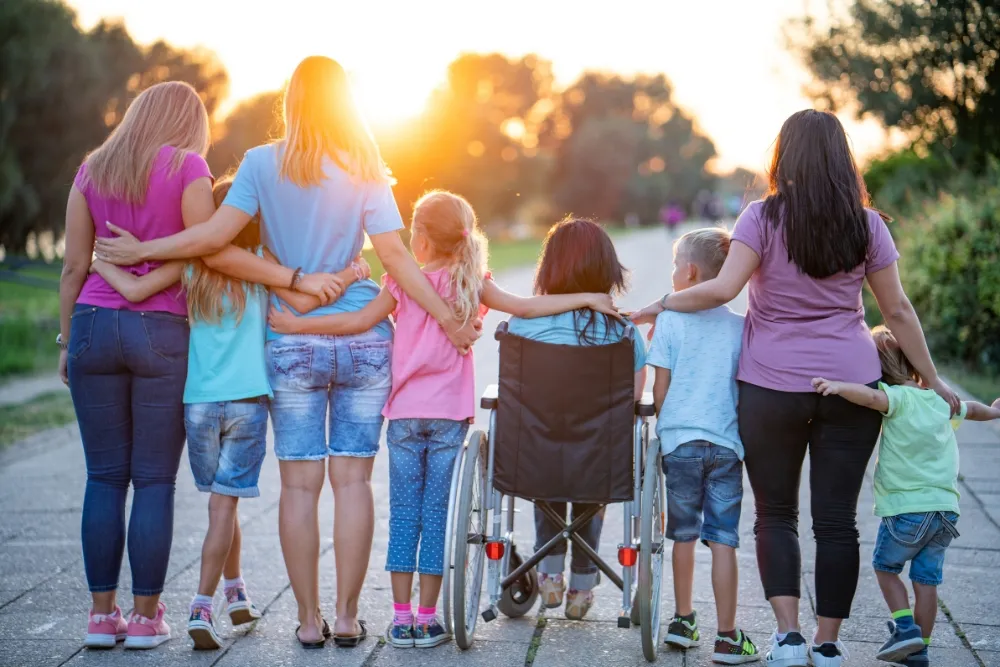
Connecting with nature is essential for our wellbeing. We prioritise creating inclusive green spaces that provide opportunities to engage with the natural environment, promoting physical and mental health.
By valuing local flora and fauna, we ensure that everyone can enjoy the benefits of being surrounded by nature. Partnering with disability services allows us to design outdoor areas that cater to the needs of those with disabilities, fostering a sense of community and belonging in these green spaces.
Valuing local flora and fauna
As we embrace the principle of connecting with nature, valuing local flora and fauna becomes essential. By recognising and appreciating the unique plant and animal species in our local environment, we can cultivate a deeper connection to the natural world.
This not only enhances our sense of belonging but also fosters a greater understanding of the ecological balance within our community. Valuing local flora and fauna also provides opportunities for learning and engagement, creating meaningful connections between people with disabilities or senior citizens and their surrounding environment.
Encouraging active involvement in local conservation efforts helps us understand that every living organism plays a crucial role in maintaining a healthy ecosystem. By placing value on the biodiversity around us, we contribute to preserving essential habitats for wildlife while also nurturing a greener, more sustainable future for all members of our community.
Partnering with disability services
We partner with disability services to ensure that our green spaces are inclusive and accessible for everyone. We work together to design pathways, seating areas, and recreational facilities that cater to the unique needs of people with disabilities.
Our collaboration also involves providing sensory-friendly gardens, wheelchair-accessible trails, and adaptive equipment for outdoor activities.
By partnering with disability services, we make sure that our green spaces prioritise accessibility and provide opportunities for disabled individuals to connect with nature. We collaborate on initiatives such as community gardens or therapeutic horticulture programmes.
This allows us to create a welcoming environment where everyone can enjoy the physical and mental benefits of spending time in nature.
Our commitment to working with disability services ensures that our green spaces offer meaningful experiences for all members of the community.
Promoting outdoor access for those with disabilities
Promoting outdoor access for those with disabilities is crucial for our community. It provides an opportunity to enjoy nature and the outdoors, benefiting physical and mental wellbeing. Accessible green spaces help us stay connected with nature and feel part of vibrant street life.
- Building wheelchair-friendly paths and ramps to ensure easy access for everyone.
- Offering sensory gardens with aromatic plants and textured pathways for a multi-sensory experience.
- Providing accessible seating areas for relaxation within the green spaces.
- Incorporating raised garden beds for people who use wheelchairs to comfortably engage in gardening activities.
- Installing low-height bird feeders, butterfly gardens, and water features to attract local fauna and create a peaceful atmosphere.
Embrace Connecting with Nature through Green Spaces
In conclusion, green spaces offer numerous benefits for people with disabilities and seniors. They enhance the quality of life by improving physical and mental well-being while encouraging vibrant street life.
Access to green spaces is vital as it provides a connection to nature, essential ecosystem services, and overall improvements in health. Creating inclusive green spaces involves valuing local flora and fauna, partnering with disability services, and promoting outdoor access for those with disabilities. Contact us to explore how our disability services integrate the therapeutic benefits of green spaces, fostering connections with nature for enhanced well-being.