
Navigating the final chapter of life is a path fraught with hurdles. We know it’s tough, we’ve walked this road alongside others, and it’s through our shared journeys, coupled with meticulous research, that we’ve unearthed meaningful insights into providing care that respects both dignity and comfort in these precious moments.
Our article delivers hands-on advice for crafting personalised care plans that cherish every individual’s dignity at the end of their journey. Stick around for some compassionate guidance.
Key Takeaways
- Personalised care plans are essential to ensuring that every individual receives end-of-life care that respects their dignity and preferences. By focusing on the person’s wishes, these plans help maintain comfort and self-respect during this critical time.
- Effective communication is key to creating a dignified end-of-life experience. Open discussions about care desires, advanced directives, and appointing decision-makers empower individuals to have control over their care journey.
- Support systems play an important role in enhancing the quality of end-of-life care. Accessing resources like hospice organisations, palliative care networks, and support groups can provide much-needed emotional, spiritual, and practical assistance for both individuals nearing the end of life and their families.
- Advance directives are vital documents that guide healthcare providers on how to offer care according to the patient’s wishes when they’re unable to communicate themselves. They form a crucial part of personalised care planning by ensuring decisions align with the individual’s values.
- Financial and personal planning should not be overlooked when preparing for the end of life. Organising assets, considering future medical expenses, and making legal arrangements ensure one’s wishes are honoured while relieving stress from loved ones during such times.
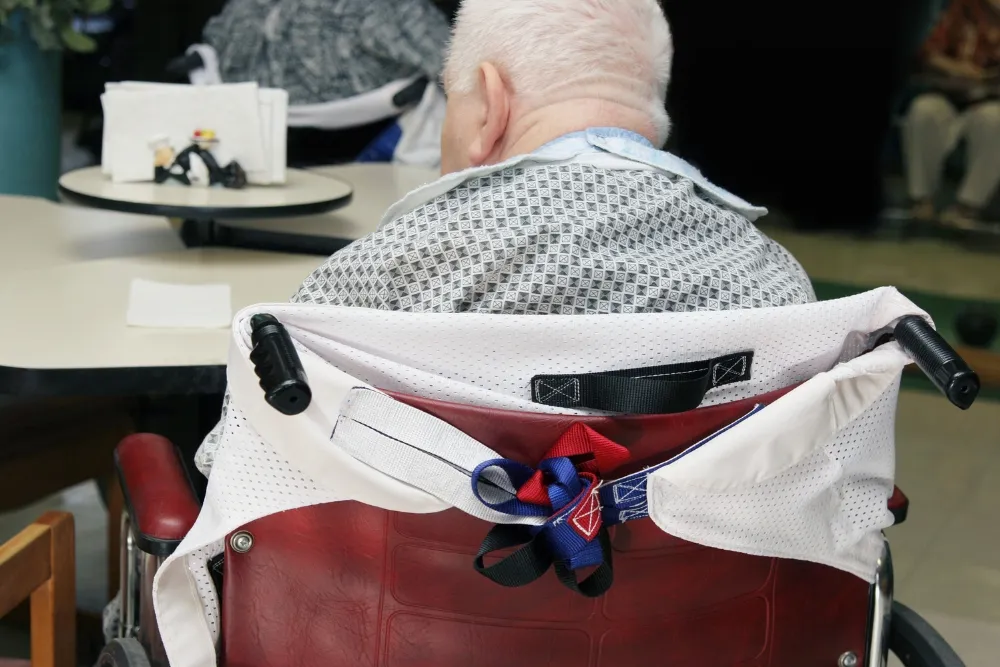
Understanding Dignity in End-of-Life Care
Understanding dignity in end-of-life care underscores the importance of preserving patient self-respect and promoting dignity in healthcare settings. Maintaining a person’s sense of worth and autonomy is essential for quality end-of-life care.
Definition
Dignified End-of-Life Care in Personalised Care Plans focuses on providing support that respects the personal preferences, needs, and values of people who are nearing the end of their lives.
This approach ensures that individuals receive care that upholds their dignity at all times, making their final days as comfortable and meaningful as possible. It revolves around patient-centred care, aiming to honour each person’s unique wishes and medical requirements while maintaining self-respect.
We develop personalised care plans by closely working with individuals, understanding their desires for comfort care, and facilitating quality communication about end-of-life planning.
These plans often include elements of palliative care, hospice care, or terminal care tailored to the person’s specific health condition and personal preferences. Our goal is to ensure every individual feels listened to and supported in a way that aligns with what they find most important during this significant phase of life.
Importance of dignity in care
Dignity in care is vital for ensuring that each person’s worth and self-respect are upheld throughout their end-of-life journey. Maintaining patient dignity not only acknowledges their autonomy but also promotes a sense of empowerment, which is crucial for quality end-of-life care.
When we prioritise dignity in our personalised care plans, we focus on enhancing the individual’s comfort and well-being, creating an environment where they feel valued and respected.
This underpins the essence of compassionate and person-centred care, aimed at supporting disabled individuals and senior citizens through the complexities of navigating towards a dignified end-of-life experience.
Promoting dignity in healthcare settings means recognising the ever-evolving needs of each person as they embark on this part of their life’s journey. It’s not merely about providing support but tailoring it to unveil the secrets to a dignified existence during these challenging times.
Maintaining patient self-respect
As we focus on the importance of maintaining dignity in end-of-life care, it becomes crucial to emphasise the significance of preserving patient self-respect. Honouring a person’s autonomy and choices is fundamental in all aspects of care planning, especially towards the end of life.
Promoting an environment that upholds respect for individual preferences and values is essential for ensuring quality care and support during this sensitive time. It’s vital to prioritise communication that empowers individuals to express their needs and desires openly, allowing them to maintain their sense of identity and self-worth.
Ensuring that each person’s unique needs are understood and respected underscores our commitment to providing compassionate, personalised care. Supporting individuals in maintaining their self-respect not only promotes a sense of control but also contributes significantly to enhancing their overall quality of life during this stage.
Promoting dignity in healthcare settings
In healthcare settings, we prioritise respecting your dignity as a patient. Every aspect of care, from communication to physical comfort, is carefully tailored to uphold your self-respect and individuality.
By creating personalised care plans focused on promoting patient self-respect, we ensure that you receive compassionate and dignified end-of-life care. Our commitment to promoting dignity in healthcare settings forms the cornerstone of our approach to providing quality end-of-life care for disabled individuals and senior citizens.
We understand the importance of maintaining patient self-respect by prioritising comfort and dignity in end-of-life care services. End-of-life policies are meticulously designed in line with person-centred care principles to promote an environment where patients receive supportive and compassionate care throughout their journey towards the end of life.
Personalised Care Plans for End-of-Life Care
Crafting individualised care plans for end-of-life care ensures that the specific needs and preferences of the person are prioritised, honouring their dignity and providing comfort in their final phase of life.
To discover more about creating a personalised end-of-life care plan, delve into our comprehensive resources.
Key elements of good end-of-life care
Good end-of-life care includes the following key elements:
- Providing compassionate and patient-centred support, tailored to individual needs and preferences, to ensure comfort and dignity during the final stages of life.
- Offering clear and open communication about the patient’s condition, treatment options, and care plan, promoting shared decision-making and empowering the person receiving care.
- Addressing physical, emotional, social, and spiritual aspects of care by engaging a multidisciplinary team to provide holistic support for the person in their final journey.
- Respecting the autonomy and wishes of the dying person regarding their end-of-life care, aligning with advance directives and appointing a trusted decision-maker when necessary.
- Ensuring that family members and loved ones receive the necessary support and guidance to cope with the challenges of witnessing a relative’s end-of-life journey.
Prioritising comfort and dignity
In end-of-life care, prioritising your comfort and dignity is fundamental. We ensure that you feel comfortable in every aspect of care, from pain management to emotional support. Our personalised approach recognises the unique needs and desires of each individual, ensuring that dignity remains at the forefront of all decisions.
Through open communication and tailored interventions, we aim to provide a supportive environment where your autonomy is respected and upheld. Respect for your comfort and dignity guides our entire approach.
We focus on promoting an environment where you feel at ease, allowing you to maintain control over your own life until the very end. Quality end-of-life care emphasises dignified treatment without compromising on comfort or respect for individual preferences.
Supporting the dying person and their loved ones
Supporting a dying person and their loved ones is essential in providing compassionate end-of-life care. We focus on easing the physical and emotional challenges that may arise during this difficult time.
By offering comfort, understanding, and empathy, we aim to provide a support system that addresses individual needs and promotes dignity in care. This involves actively listening to concerns, respecting preferences, and facilitating open communication between the patient and their family members.
Our goal is to ensure that everyone involved feels heard, valued, and supported throughout the journey.
Planning and Making Decisions for the End of Life
When planning for the end of life, it is essential to reflect on what matters most and make decisions accordingly. This includes making advance directives, appointing a decision-maker, and engaging in financial and personal planning.
Reflecting on what is important
When reflecting on what is important in end-of-life care, it’s crucial to focus on maintaining dignity and promoting individualised comfort. This necessitates prioritising the dying person’s wishes, respecting their autonomy, and ensuring their desires are at the forefront of their care plan.
By actively involving them in decision-making processes and considering their unique needs, we can tailor supportive care that aligns with their values and preferences.

It’s imperative to recognise that personalised care planning places the person at the centre, allowing for a compassionate approach that respects their dignity throughout this challenging time.
Advance directives
When planning for end-of-life care, it’s important to consider advance directives. These legal documents allow you to express your choices about medical treatment in advance, such as whether you wish to receive life-sustaining treatments or prefer palliative care.
By creating an advance directive, you can ensure that your wishes will be respected and followed, even if you are unable to communicate them later on. It provides peace of mind knowing that your preferences for end-of-life care are documented and legally recognised.
As part of the personal care plan, advanced directives give individuals a voice in their healthcare decisions when they may not be able to speak for themselves due to illness or incapacity.
It’s essential for individuals and their loved ones to have conversations about these directives so that everyone understands the person’s choices for their end-of-life care.
Appointing a decision-maker
When considering who will make medical decisions on your behalf, it is vital to select a trusted individual. Your decision-maker should be someone who understands your wishes and can communicate them clearly to healthcare professionals.
Make sure this person is aware of any advanced care planning you have undertaken and the personal values that underpin these choices. They should also be prepared to advocate for quality end-of-life care in line with your preferences.
It is advisable to appoint a backup decision-maker in case the primary one becomes unable or unavailable.
Financial and personal planning
As we consider end-of-life care, it’s essential to address financial and personal planning. This includes organising your assets and making decisions about how you’d like them managed when you’re no longer able to do so yourself.
It also involves arranging for your healthcare needs, including funding for any future medical expenses. Financial and personal planning can bring peace of mind by ensuring that your wishes are known and catered for in times of need.
Taking these steps can greatly assist in relieving potential stress on loved ones during a difficult period.
Where to Seek Help for End-of-Life Care
Find reliable resources and support groups that can provide necessary information and assistance for end-of-life care. Dive into a wealth of valuable insights to enhance the quality of care for your loved ones.
Resources for information and support
Seeking information and support during end-of-life care can be essential for both individuals and their loved ones. Here are some resources where you can find the help you need:
- Hospice Organisations: These organisations offer a range of services, including medical care, emotional support, and spiritual guidance, to individuals facing terminal illness.
- Palliative Care Networks: Palliative care providers focus on improving the quality of life for individuals with serious illnesses through pain management and addressing emotional and spiritual needs.
- Support Groups: Many communities have support groups that provide a safe space for individuals and their families to share experiences, coping strategies, and emotional support.
- Community Health Centres: These centres offer access to healthcare professionals who can provide guidance on end-of-life planning, answer questions, and connect you with additional resources.
- Online Resources: Various websites provide valuable information on end-of-life care options, legal considerations, financial planning, and emotional support for both patients and carers.
By utilising these resources, individuals can gain valuable information and support tailored to their unique needs during this challenging time.
Feedback and further information
For more information and support on personalised care plans for end-of-life care, there are various resources available to help you navigate this important aspect of healthcare. Seeking assistance from support groups can provide invaluable insight and comfort as you embark on planning your end-of-life care.
Additionally, it is advisable to consider discussing your preferences with a trusted decision-maker and understanding the importance of advance directives in tailoring a dignified care plan that prioritises your comfort and self-respect.
Remember, seeking personal support plays a vital role in ensuring quality end-of-life care tailored towards individual needs.
Furthermore, feedback about the process of planning for end-of-life care can help enhance policies aimed at promoting patient-centred and person-centred care practices within healthcare settings.
Support groups
When facing the challenges of end-of-life care, support groups provide a safe space for individuals and their families to share experiences, gain emotional support, and find practical guidance.
These groups offer camaraderie and understanding from people who are going through similar situations, creating a sense of community and reducing feelings of isolation. Support groups may also provide valuable information about local resources, coping strategies, and healthcare options tailored to individual needs.
Additionally, they can empower participants with knowledge of legal rights and financial assistance programmes. Such peer interactions in support groups can help ease anxieties while promoting emotional well-being during this difficult time.
Embrace Personalised Care Plans for Dignified End-of-Life Care
Personalised care plans for end-of-life ensure dignity and comfort are prioritised. We prioritise the patient’s needs and wishes, underscoring the importance of their self-respect.
Advance directives help in making important decisions about one’s end-of-life care. Seek support from helpful resources and feedback to navigate through this challenging period. Support groups provide solace and understanding during times of need. Contact us for compassionate and tailored support in creating dignified end-of-life care plans.