
Emergency preparedness is a vital component of caring for individuals with disabilities. People with disabilities often face unique challenges during emergencies, including limited mobility, sensory impairments, communication barriers, and medical needs. Therefore, it is imperative to develop comprehensive emergency plans that address the specific needs of this vulnerable population. This article explores the importance of emergency preparedness in disability care and provides insights into creating effective emergency plans.
Understanding the Challenges
Individuals with disabilities encounter various challenges during emergencies that can exacerbate their vulnerability. Mobility-impaired individuals may struggle to evacuate quickly or access emergency shelters that lack proper accommodations. Those with sensory impairments may have difficulty receiving emergency alerts or understanding evacuation instructions. Communication barriers can further hinder their ability to seek assistance or convey important information to first responders. Additionally, individuals with medical conditions may require specialised equipment, medications, or medical care during emergencies.
The Importance of Preparedness
Effective emergency preparedness can mitigate these challenges and ensure the safety and well-being of individuals with disabilities. By proactively identifying and addressing their unique needs, caregivers and emergency responders can better support this population during crises. Preparedness measures such as creating personalised emergency plans, conducting drills, and providing training can empower individuals with disabilities to respond effectively to emergencies. Accessible communication strategies, including text alerts and sign language interpreters, can ensure that emergency information reaches everyone.
Building Inclusive Emergency Plans
Developing inclusive emergency plans requires collaboration among disability service providers, emergency management agencies, and community organisations. These plans should consider the diverse needs of individuals with disabilities and incorporate accessible communication methods, evacuation procedures, and shelter accommodations. Establishing partnerships with disability advocacy groups can facilitate the development and implementation of inclusive emergency preparedness initiatives. Moreover, ongoing education and outreach efforts are essential to raise awareness about the importance of disability-inclusive emergency planning.
Addressing Specific Needs
Emergency preparedness must address specific needs based on the type and severity of disabilities. For example, individuals who rely on mobility aids may require accessible transportation options or assistance evacuating multi-story buildings. Those with sensory impairments may benefit from alternative alert systems, such as vibrating alarms or visual alerts. Caregivers should ensure that emergency kits include essential supplies, medications, medical records, and communication devices tailored to each individual’s needs.
Addressing Specific Needs
Emergency preparedness must address specific needs based on the type and severity of disabilities. For example, individuals who rely on mobility aids may require accessible transportation options or assistance evacuating multi-story buildings. Those with sensory impairments may benefit from alternative alert systems, such as vibrating alarms or visual alerts. Caregivers should ensure that emergency kits include essential supplies, medications, medical records, and communication devices tailored to each individual’s needs.
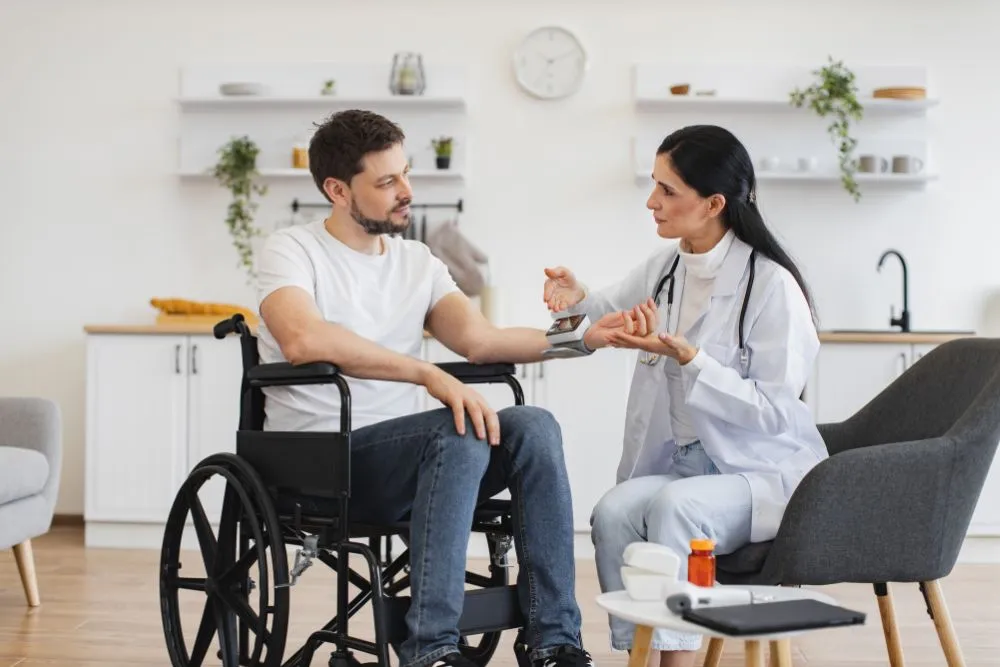
Ensuring Safety and Inclusion
Emergency preparedness is a crucial aspect of disability care that requires proactive planning, collaboration, and inclusivity. By acknowledging and addressing the unique challenges faced by individuals with disabilities, we can enhance their safety and resilience during emergencies. Through effective communication, education, and partnerships, we can build more inclusive communities where everyone, regardless of ability, can effectively prepare for and respond to crises. Investing in disability-inclusive emergency preparedness is not only a moral imperative but also a fundamental aspect of creating resilient and compassionate societies.
As we strive to build more inclusive and resilient communities, let us prioritise the needs of individuals with disabilities in our emergency preparedness efforts. By working together and advocating for disability rights, we can ensure that no one is left behind in times of crisis. Let us commit to fostering a culture of inclusion, preparedness, and support for all members of society, regardless of ability.