
We all get a bit anxious about the prospect of getting older and what it might mean for our day-to-day lives. It’s a fair dinkum concern, especially since more than 90% of older Aussies reckon they’d prefer to stay in their own digs as they age.
Our blog’s here to have a yarn about how Healthy Ageing Workshops can lend a hand with aged care and really make a difference in living well. So, let’s dive in and suss it out together!
Key Takeaways
- Healthy ageing workshops help older Australians live well by reducing isolation and boosting emotional well-being through social activities, support groups, and stress-reduction techniques.
- Effective communication and managing challenging behaviours are crucial skills in aged care. These workshops provide strategies such as using simple language, active listening, positive reinforcement, and creating a supportive environment to enhance caregiver-patient interactions.
- Emphasising physical and mental health among ageing adults involves regular exercise, mindfulness practices, balanced diets, engaging hobbies, and strong community ties to maintain overall well-being.
- Advances in technology and co-design approaches in aged care allow for personalised support services. This integration ensures that the needs of elderly individuals are met with innovative solutions.
- Building connections within rural communities supports healthy ageing by providing access to healthcare services and promoting physical activity and mental health resources tailored to seniors’ unique needs.
Understanding Emotional Wellbeing in Late Life
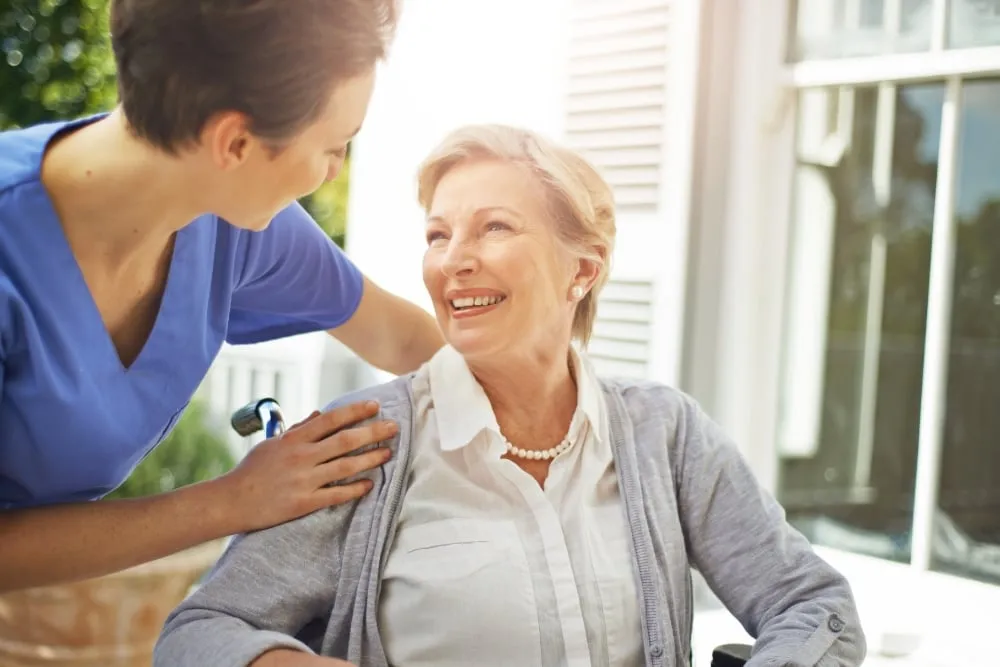
Isolation, disengagement, and withdrawal affect emotional well-being in late life. Promoting social engagement and wellness involves fostering connections and providing support.
Factors that contribute to isolation, disengagement, and withdrawal
We understand that maintaining emotional well-being in late life presents its own unique challenges. Many of our disabled and senior citizen community members face barriers that lead to feelings of isolation, disengagement, and withdrawal. Here is a list of factors contributing to these feelings and how they impact lives:
- Limited Mobility Affects Social Participation: Physical limitations can restrict the ability to engage in social activities. This situation leads to fewer interactions with others, promoting feelings of loneliness.
- Hearing and Vision Loss Create Communication Barriers: Sensory impairments make it hard to communicate effectively, resulting in frustration and withdrawal from social situations.
- Chronic Diseases Limit Activities: Health issues can prevent participation in activities once enjoyed, leading to a sense of loss and isolation.
- Loss of Loved Ones Brings Grief: The pain from losing partners, friends, and peers increases the feeling of being alone in the world.
- Lack of Transportation Reduces Access to Community Events: Without ways to travel, seniors find themselves stuck at home, missing out on community support and engagement opportunities.
- Technology Gap Widens Social Distance: Difficulty using modern communication tools leaves many elderly individuals unable to connect with their families or participate in today’s digital world.
- Stereotypes Lead to Ageism: Society often undervalues older adults’ contributions, leading them to feel disconnected and disrespected.
- Financial Insecurity Causes Stress: Worrying about finances can overshadow the desire to socialise or participate in activities that require money.
Each factor plays a significant role in shaping the daily experiences of our aged community members. Through understanding these issues, we aim to create stronger support networks that uplift everyone towards a more engaged and fulfilling life.
Strategies for promoting social engagement and emotional wellness
We foster social connections through various activities and events, such as community gatherings and group outings, to enable meaningful interactions within our community. Additionally, we provide workshops specifically tailored for elderly individuals, focusing on developing communication skills and techniques to enhance social engagement. Furthermore, we organise support groups that facilitate emotional expression and provide a safe space for sharing experiences, fostering deeper connections among participants. Alongside, we introduce mindfulness exercises to promote emotional wellness and reduce stress, aiming to enhance overall well-being. Moreover, we encourage participation in volunteer opportunities within the community as a means to engage with others and contribute positively to society.
Moving on from this section, let’s delve into practical skills and tools for supporting ageing adults.
Practical Skills and Tools for Supporting Ageing Adults
Learn effective communication techniques and strategies for managing challenging behaviours when supporting ageing adults. Promote physical and mental health in aged care through practical skills and tools.
Effective communication techniques
When communicating with older adults, it’s essential to speak clearly and at a moderate pace. Using simple language and repeating key information can make it easier for them to understand and process the conversation.
Maintaining good eye contact and showing genuine interest in what they have to say also promotes effective communication.
Using positive body language, such as smiling and nodding, can help convey warmth and empathy when engaging with elderly individuals. It’s important to listen actively and allow ample time for them to express themselves fully before responding.
Additionally, asking open-ended questions that encourage discussion rather than simple “yes” or “no” answers can foster meaningful dialogue.
Managing challenging behaviours
As we support our ageing loved ones, it’s essential to address challenging behaviours with patience and understanding. Providing clear communication and consistent routines can help manage difficult situations effectively.
Encouraging physical activity and engaging in meaningful activities tailored to individual interests aids in promoting emotional well-being.
Implementing positive reinforcement techniques reinforces the desired behaviour. By creating a safe and supportive environment, we can reduce feelings of frustration or confusion for those we care for, fostering a sense of security and calmness.
Promoting physical and mental health
Transitioning from managing challenging behaviours to promoting physical and mental health, we focus on empowering you with practical strategies for maintaining your overall well-being.
Engaging in regular physical activity such as gentle exercises or walking can enhance your strength, flexibility, and mood. Additionally, incorporating mindfulness practices like meditation or deep breathing exercises can help reduce stress and promote mental clarity.
Eating a balanced diet rich in fruits, vegetables, lean proteins, and whole grains is essential for supporting your physical health while also nourishing your mind.
Exploring hobbies and interests that bring joy and fulfilment can contribute to positive mental well-being. Seeking social connections through community programmes or support groups offers opportunities for companionship and emotional support.
Latest Research and Innovations in Aged Care Support
Discovering the latest advancements in aged care support can lead to new insights and ideas. Exploring how technology and co-design are integrated into care approaches creates opportunities for improvement and innovation.
Incorporating technology and co-design in care approaches
We integrate technology and co-design into care approaches to ensure that our services are tailored towards your specific needs. By employing the latest advancements in technology, we aim to enhance your experience and support healthy ageing.
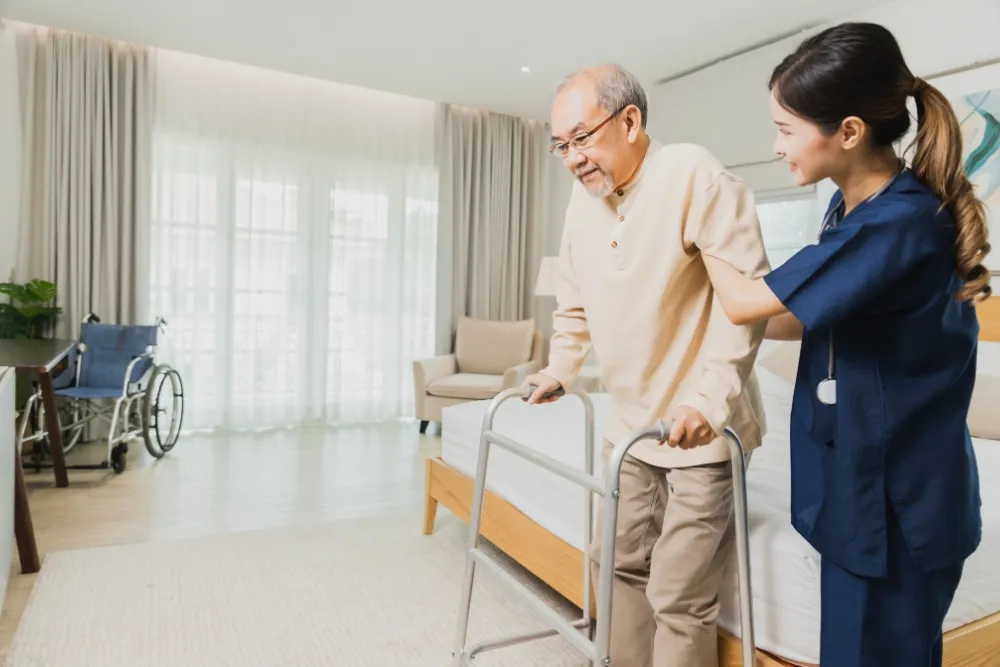
Through co-design, you have an active role in shaping the services provided, ensuring they are designed meticulously to meet your individual requirements. This approach underpins our commitment to providing bespoke aged care support that is not only effective but also empowering.
Our suite of initiatives is ever-evolving as we seek more than just standard care provision; we aim to unlock the secrets of healthy ageing with robust solutions. By incorporating cutting-edge technology and involving you in the design process, we ensure that our programmes cater to the complexities of modern living and provide comprehensive support for ageing well.
Building community connections and supporting healthy ageing in rural areas
In rural areas, it is crucial to build strong connections within the community and support healthy ageing. Supporting healthy ageing involves participating in local events, forming social groups, and engaging with community services.
Building relationships with neighbours and local organisations can provide essential support as we age. It’s important to stay informed about available resources that promote physical activity, mental well-being, and access to healthcare services in regional communities.
Strengthening ties within rural areas contributes significantly to positive ageing experiences. Engaging with local programmes tailored towards seniors’ unique needs fosters a sense of belonging and provides opportunities for communal activities that enhance overall well-being.
Taking Action: Empowering Aged Care Support
Participate in workshops and programmes to learn new skills. Stay informed and support the healthy ageing initiative.
Opportunities to participate in workshops and programmes
You can attend specialised workshops on healthy ageing and aged care support, tailored towards specific areas such as chronic disease management and promoting physical and mental health. By joining these programmes, you can learn effective communication techniques to enhance interactions with older adults and gain valuable skills for managing challenging behaviours. Additionally, these workshops also provide the latest research insights, including innovative approaches incorporating technology and community connections to support healthy ageing in rural areas. Further, explore opportunities for workforce training that empower individuals with the knowledge needed to actively contribute to aged care initiatives.
Ways to stay informed and support the Healthy Ageing Initiative
Stay up-to-date on the latest research and innovations in aged care support through regular attendance at workshops and seminars. Engage with community connections to access relevant information and resources. Take advantage of online platforms and forums for ongoing learning and collaboration. Seek out support groups and networks for shared experiences and valuable insights. Participate in healthy ageing programmes to stay informed and empowered in your journey towards positive ageing.
Empower Aged Care Support with Healthy Ageing Workshops
Empowering aged care support through Healthy Ageing Workshops equips carers and communities with the tools and knowledge needed to enhance the lives of ageing individuals. Promoting emotional well-being, honing practical caregiving skills, and leveraging innovative approaches are integral to ensuring a positive ageing experience.
It’s about taking action, participating in workshops, staying informed, fostering community connections, and supporting healthy ageing initiatives that truly make a difference. Contact us as we embark on this journey towards holistic support for elderly individuals.