
Are you struggling to find accessible and inclusive outdoor spaces for people with disabilities? As someone who has also faced this challenge, I understand the importance of finding green spaces that cater to everyone’s needs. Did you know that spending time in nature has been proven to have positive effects on both physical and mental health? In this article, we’ll explore the benefits of green spaces for people with disabilities and how to design and implement these spaces within disability services. Come along on this journey as we discover the power of green spaces in enhancing wellness for all.
Key Takeaways
- Green spaces with wheelchair-accessible paths and sensory gardens help individuals with disabilities stay active, improving physical health.
- Interacting with nature in green spaces can reduce stress and improve mental well-being for people with disabilities.
- Accessible green environments encourage social inclusion, allowing people of all abilities to connect and engage within their community.
- Designing inclusive green spaces involves considering the unique needs of different disabilities, from tactile paths for the visually impaired to quiet zones for those with sensory sensitivities.
- Partnerships between disability services and local organisations are key for securing funds and resources to create supportive green spaces.
Importance of green spaces in urban areas
We all know the fresh air and natural beauty of parks lift our spirits, but there’s more to green spaces than just a pretty place to picnic. Urban green spaces are vital for both physical and mental health, providing us with areas to walk, exercise and break away from the hustle of city life.
They are havens where we can relax under the shade of trees or enjoy watching birds flit among bushes.
For those of us who live with disabilities or have reached our senior years, these green public open spaces become even more crucial. They offer level paths for wheelchairs and walkers, ensuring outdoor recreation is accessible for everyone.
Having spots in our urban environment where we feel connected to nature not only boosts community wellbeing but also gives us a much-needed sense of freedom, in cities that can often seem closed off to those with different abilities.
Impact on health and well-being
Stepping outside into a lush green park can do wonders for our bodies and minds. Urban parks provide us with spaces to breathe, move, and connect. They’re like natural health clubs where we soak up the sunshine, stretch our legs, and shake off the stress that builds up from everyday life.
Being among trees, plants, and open skies isn’t just enjoyable; it’s essential for our mental health support. Those moments of peace help calm our racing thoughts. And when we’re feeling down or anxious, a simple walk in nature can lift our spirits.
It’s about embracing those small yet powerful experiences that together craft a healthier lifestyle for us all.
The Benefits of Green Spaces for People with Disabilities
Green spaces provide opportunities for increased physical activity and mobility for people with disabilities, contributing to improved mental health, well-being, and social inclusion.
Increased physical activity and mobility
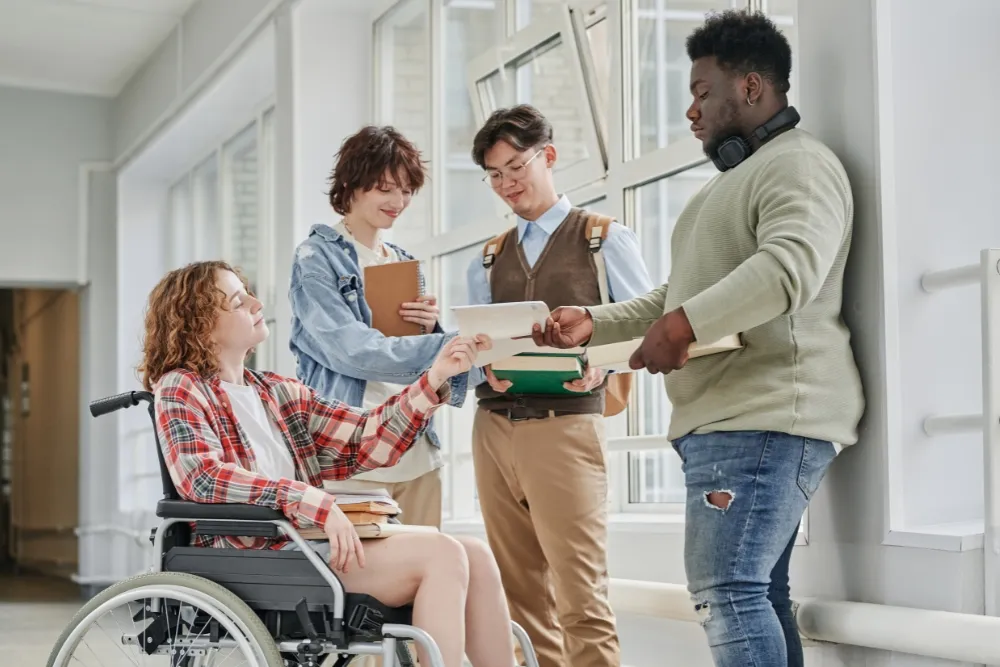
Green spaces can help us to be more active and mobile. Being outside in nature encourages movement, whether it’s walking along a path, wheeling through a garden, or doing outdoor exercises.
The opportunities for physical activity are endless – from enjoying wheelchair-friendly trails to using accessible exercise equipment. Even just being out in the fresh air can motivate us to move around more, benefiting our overall health and wellbeing.
Having green areas that are easy to access makes it simpler for everyone to engage in physical activities. These spaces must be designed thoughtfully with individuals of varied abilities in mind.
Improved mental health and well-being
Incorporating green spaces into disability services can enhance our mental health and well-being. Being surrounded by nature in these environments helps us feel more relaxed, reduces stress levels, and improves our overall mood.
Engaging with greenery also provides a sense of tranquillity, promoting better emotional well-being and helping to alleviate symptoms of anxiety or depression.
Spending time in green spaces within disability services can contribute positively to our mental health and wellness by offering opportunities for relaxation, enjoyment, and connection with the natural world.
Social inclusion and community connection
Green spaces provide opportunities for interaction and connection within the community. They offer a welcoming environment for people with disabilities to socialise, engage in group activities, and foster a sense of belonging.
Accessible pathways, seating areas, and communal gardens encourage individuals to come together, share experiences, and build relationships in an inclusive setting. These green spaces promote a sense of unity among people with diverse abilities and support the development of meaningful social connections.
Creating accessible green spaces is vital for ensuring that everyone can participate in community life. It’s essential to design outdoor areas that cater to different needs and abilities while fostering an environment where everyone feels welcomed and valued.
Incorporating sensory elements into these spaces creates opportunities for individuals with disabilities to interact with nature, engage their senses, and connect with others on a deeper level.
Designing Green Spaces for Disability Services
Creating accessible and inclusive environments is crucial for disability services. Incorporating sensory elements and considering different disabilities and abilities can enhance the overall experience of green spaces for people with disabilities.
Creating accessible and inclusive environments
We aim to ensure that our green spaces are accessible and inclusive for everyone. We consider different abilities when designing these areas, making sure they cater to a wide range of needs.
Our goal is to provide an environment where everyone can engage with nature and reap the benefits of outdoor activities. We carefully plan and implement features such as wheelchair-accessible paths, sensory gardens, and seating areas designed for individuals with mobility challenges, ensuring that our green spaces are welcoming to all.
Incorporating various elements into our green spaces creates an environment where individuals can interact with nature in ways that suit their needs. From sensory elements like textured pathways to quiet areas for relaxation, we strive to create an inclusive space that promotes well-being and community connection.
Incorporating sensory elements
We integrate sensory elements into our green spaces to provide a stimulating and calming experience. By incorporating features like textured paths, aromatic plants, and water features, we cater to the different sensory needs of individuals with disabilities.
The use of varied vegetation types creates an engaging environment where you can interact with nature through touch, smell, and sight. Incorporating these sensory elements helps promote relaxation, reduce stress, and enhance the overall well-being of everyone who accesses our green spaces.
In designing our green spaces for disability services, we carefully consider factors such as soundscapes, tactile experiences, and visual stimuli. Integrating these sensory elements is essential in creating an inclusive environment that caters to diverse abilities and promotes positive sensory experiences for all users.
Considerations for different disabilities and abilities
When designing green spaces for disability services, we consider various disabilities and abilities to ensure accessibility and inclusivity. Wheelchair users may benefit from smooth paved pathways, ramps, and designated resting areas.
For individuals with visual impairments, incorporating tactile paths and braille signs can enhance their experience within the green space. Meanwhile, those with sensory sensitivities will appreciate quiet zones and natural barriers to reduce noise levels.
Additionally, providing seating options at different heights caters to people with mobility challenges or diverse physical abilities.
Incorporating elements such as raised garden beds allows wheelchair users or individuals with limited mobility to engage in gardening activities easily. Seating options should be varied in terms of materials, heights, and sizes catering to people’s personal preferences based on their abilities or disabilities.
Implementing Green Spaces in Disability Services
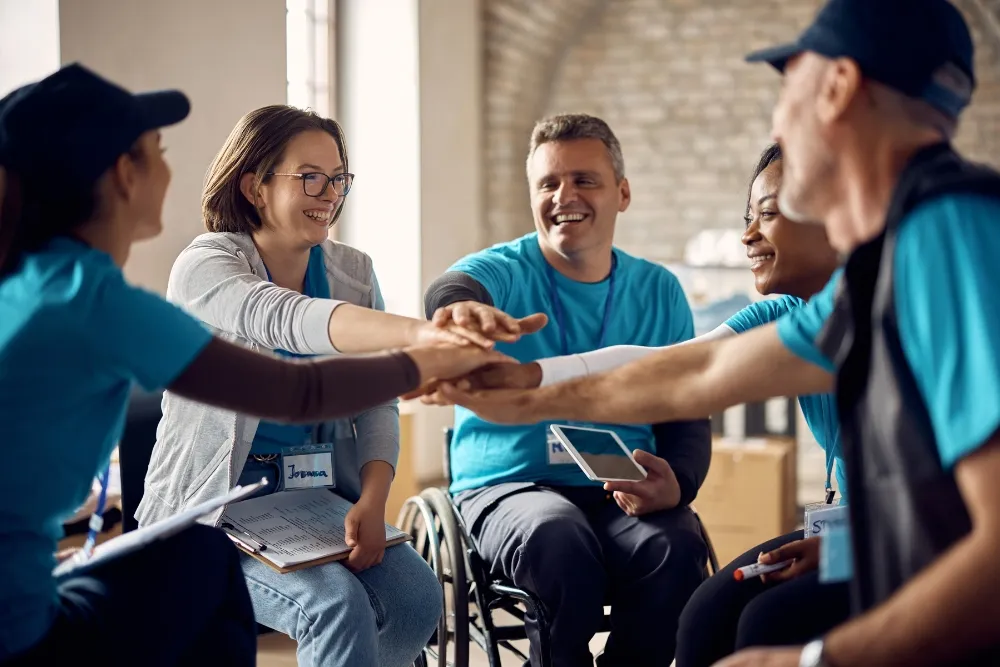
We can work with local organisations to create partnerships for funding and resources. Staff training and education are also crucial in implementing green spaces within disability services environments.
Partnerships with local organisations
To create accessible and inclusive green spaces within disability services, we collaborate with local organisations. By partnering with community groups and businesses, we ensure that the design and maintenance of these spaces align with the needs of individuals with disabilities.
These partnerships also help in securing funding and resources to sustain these environments, ultimately enhancing the overall well-being and quality of life for our community members.
Engaging local organisations allows us to tap into a pool of expertise while fostering a sense of ownership and pride within the community. This collaborative approach ensures that green spaces are not only functional but also meaningful and enjoyable for all individuals, including those with disabilities.
Funding and resources
Securing funding and resources to create green spaces within disability services is crucial for enhancing our well-being. We actively seek partnerships with local organisations and community groups that support environmental initiatives.
By collaborating, we can acquire the necessary financial support to develop inclusive and accessible green environments that benefit all individuals.
We also advocate for staff training and education on the importance of green infrastructure in disability-friendly design. With knowledgeable, committed teams, we can maximise the impact of available resources towards implementing nature-based therapies and recreational areas within our service environments.
Staff training and education
To ensure that our disability services offer the best support, ongoing staff training and education play a crucial role. Training equips us with the knowledge and skills needed to create inclusive green spaces for individuals with disabilities, promoting community health and well-being.
By staying updated on accessibility guidelines and nature-based therapies, we can design and maintain environments that cater to diverse abilities, enhancing our wellness programs.
Moreover, continuous education enables us to understand the unique needs of people with disabilities, allowing us to provide tailored support in nature interaction and outdoor recreational areas within our accessible environments.
Enhance Your Living with a Healthy Environment
In conclusion, providing inclusive and accessible green spaces has a significant impact on the overall well-being of individuals with disabilities. To find out more about how green spaces can enhance disability services environments, read our full blog now!
Importance of providing inclusive and accessible green spaces
Creating inclusive and accessible green spaces is crucial for ensuring that individuals with disabilities can fully enjoy the environmental benefits. By making these spaces open and welcoming to everyone, we promote social inclusion and community connection.
Beyond just physical accessibility, it’s important to consider diverse needs and abilities so that everyone can engage with nature-based therapies and well-being initiatives. Through partnerships with local organisations, we can work together to design green spaces that cater to the unique requirements of people with disabilities, ultimately enhancing their overall well-being.
Incorporating sensory elements into green spaces like tactile pathways or fragrant gardens further enriches the experience for individuals with disabilities. These thoughtful design considerations provide opportunities for increased physical activity and mobility, thus contributing to improved mental health and well-being within our disability support services environment.
Impact on the overall well-being of individuals with disabilities
Improving access to inclusive and accessible green spaces fosters a sense of belonging and connection within the disability community. Engaging with nature in urban areas can enhance mental well-being, reduce stress, and promote relaxation for individuals with disabilities.
Physical activity in green spaces also supports increased mobility, contributing to improved overall health. Contact us to learn more about how incorporating nature-based therapies into disability services environments provides opportunities for sensory stimulation, promoting cognitive development and emotional regulation.