
Navigating the maze of disability support can be a really tough job. We’ve been around the block a few times ourselves, hunting down every possibility out there. It was on this journey that we stumbled across something pretty special: Equine-Assisted Therapy.
It’s a bit of a game-changer for enhancing both physical and mental well-being. This yarn will walk you through the perks it offers, particularly for those navigating life with disabilities.
Stick around to uncover more about this incredible option!
Key Takeaways
- Equine-assisted therapy involves using horses to help people with disabilities, offering a mix of physical, emotional, and mental health benefits. It’s a creative way to support growth in areas like balance, strength, confidence, and social skills.
- This kind of therapy is recognised and supported by the NDIS. That means it’s an approved option for individuals seeking different pathways towards healing and empowerment beyond traditional therapies.
- Therapists who deliver equine-assisted therapy have special training and qualifications not just in handling horses but also in understanding the unique needs of those with disabilities. They play a huge role in making sure each session positively impacts the individual’s journey towards better well-being.
- Real-life success stories show how powerful working with horses can be. From improving communication skills in young adults with autism to boosting mobility for senior citizens facing physical challenges, these examples highlight the transformative potential of equine-assisted interventions.
- Finding the right therapist is key. The best fit comes down to more than just expertise; it’s about finding someone whose approach aligns perfectly with what you’re looking for, an essential step towards reaping the full benefits this therapy has to offer.
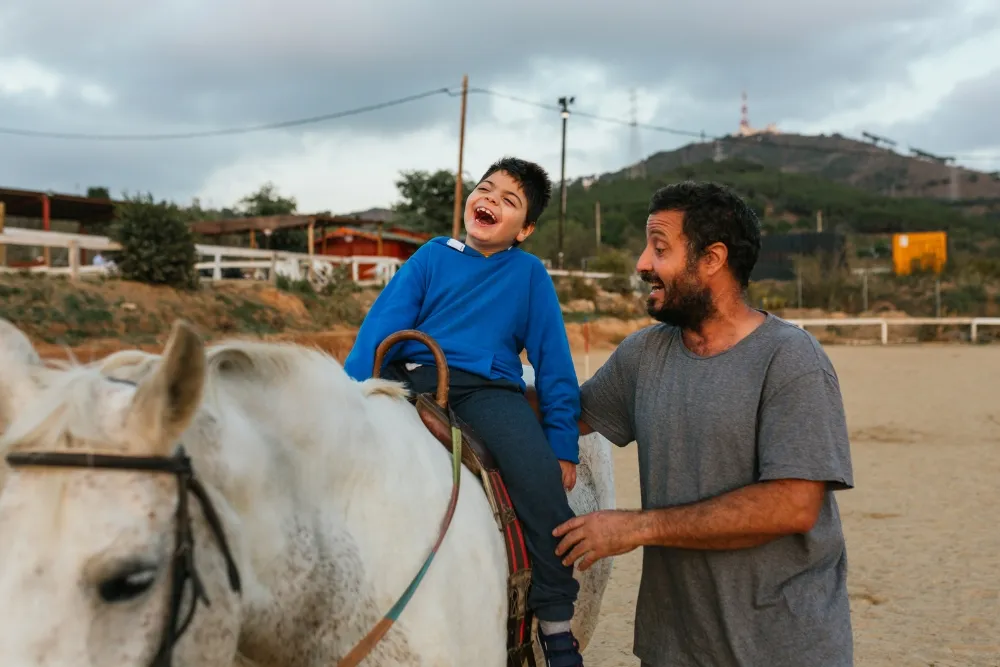
What is Equine-Assisted Therapy?
Equine-assisted therapy incorporates horses and equines in therapy, offering physical and mental health benefits while empowering emotional growth and cognitive development.
Incorporating horses and equines in therapy
We use horses in therapy to connect with people who have disabilities. Working with these magnificent animals allows us to offer a unique form of support that blends physical, mental, and emotional growth.
Equine-assisted therapy covers various aspects like psychotherapy, social work, and counseling while focusing on fostering strong bonds between the individual and the horse. This method proves beneficial in addressing conditions such as autism spectrum disorder and attention deficit hyperactivity disorder.
Our team ensures each session brings positive change through therapeutic riding and horse-assisted programmes specially designed for disability services. These interactions not only aid in improving mobility and coordination but also play a crucial role in boosting confidence and enhancing social skills among participants.
We witness remarkable progress as individuals engage with equines, making significant strides towards their personal goals without feeling the weight of traditional therapeutic approaches.
Benefits for physical and mental health
Equine-assisted therapy offers numerous benefits for physical and mental health, especially for individuals with disabilities or senior citizens. Interacting with horses can help improve balance, coordination, and muscle strength.
Engaging in grooming, feeding, or riding sessions can provide a sense of accomplishment while promoting relaxation and reducing stress levels. Additionally, the emotional bond formed between participants and the horses during therapy sessions can lead to improved confidence, self-esteem, and overall well-being.
Moreover, equine-assisted therapy can also contribute to mental health by offering a unique form of social interaction and connection with animals. This type of therapy has been shown to reduce feelings of anxiety and depression among individuals facing disabilities or age-related challenges.
The calming presence of horses encourages mindfulness practices that promote peace of mind and emotional resilience. Overall, the physical activities involved in equine-assisted therapy, along with the emotional support provided by these gentle animals, make it an effective holistic approach towards enhancing both physical and mental health.
Empowering emotional growth and cognitive development
Transitioning from the physical and mental benefits of equine-assisted therapy, it’s essential to highlight how this approach empowers emotional growth and cognitive development. Through interacting with horses in a therapeutic setting, individuals with disabilities can experience a profound sense of emotional connection, leading to increased self-awareness and improved confidence.
This unique form of therapy encourages the development of crucial cognitive skills such as problem-solving, decision-making, and spatial awareness. By engaging in activities that require communication and collaboration with these majestic animals, participants can also enhance their social skills while gaining a deeper understanding of empathy and patience.
Moreover, equine-assisted therapy provides an opportunity for individuals to process emotions in a non-verbal manner, fostering greater emotional regulation and resilience. The bond formed between humans and horses creates a safe space for exploring feelings without judgement or pressure, allowing participants to develop coping strategies that are transferrable outside the therapeutic environment.
How Equine-Assisted Therapy Helps People with Disabilities?
Equine-assisted therapy offers unique benefits to individuals with disabilities. It supports physical and emotional well-being, empowering individuals to achieve personal growth and cognitive development in a non-traditional therapeutic setting.
Supported by NDIS
Equine-assisted therapy is supported by NDIS, which means it can be accessed as part of disability services. This type of therapy has shown success in assisting people with disabilities to improve physical and mental well-being.
By incorporating horses into therapy sessions, individuals have experienced increased emotional growth and cognitive development. Equine-assisted therapy offers unique benefits not found in traditional methods, filling a crucial gap in disability care.
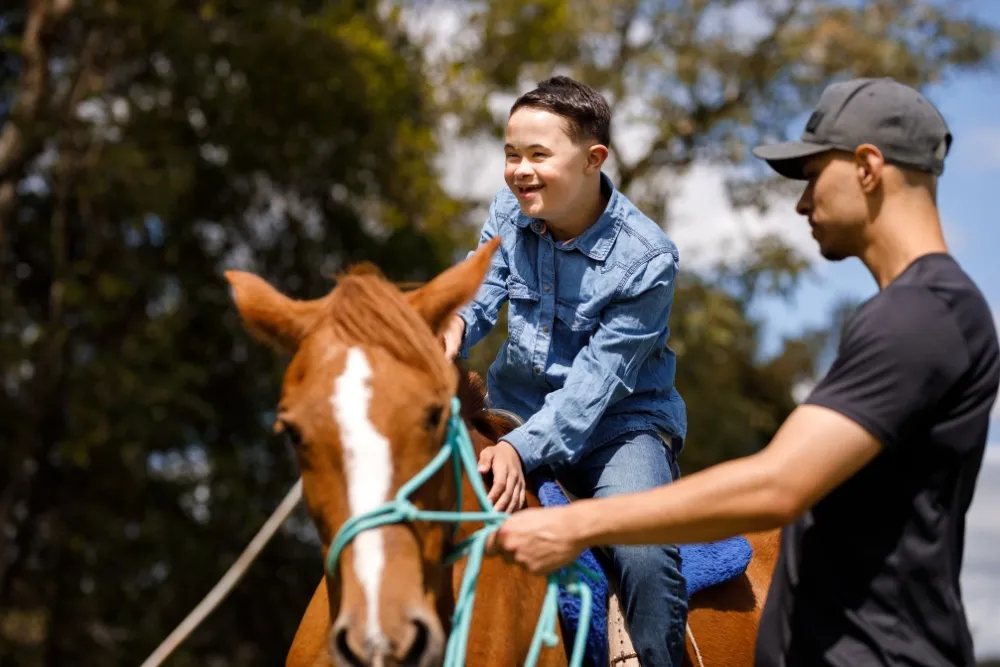
People with disabilities can experience the transformative effects of equine-assisted interventions, addressing their specific needs for therapeutic support. Case examples illustrate the positive impact this form of treatment has had on individuals with disabilities, offering a new pathway towards healing and empowerment.
As a result, equine-assisted therapy plays an essential role in enhancing the quality of life for people living with disabilities.
Case examples of success
Equine-assisted therapy has been instrumental in bringing about positive changes for individuals with disabilities. Here are some real-life examples of how equine-assisted therapy has made a difference:
- A young adult with autism found increased confidence and improved communication skills through regular equine therapy sessions. Interacting with the horses helped them develop emotional regulation and social interaction abilities, leading to enhanced well-being and independence.
- A senior citizen with physical limitations experienced a significant improvement in strength, balance, and coordination after participating in horse-assisted activities. This led to greater mobility and a sense of achievement, positively impacting their overall quality of life.
- A child with cerebral palsy made remarkable progress in motor skills and muscle tone by engaging in equine-based interventions. The multisensory experience of interacting with horses stimulated their physical development and provided a unique form of exercise that traditional therapies had not fully addressed.
These successes demonstrate the profound impact that equine-assisted therapy can have on individuals with disabilities, offering holistic benefits that extend beyond just physical or mental well-being.
Filling the gap in traditional therapy methods
Traditional therapy methods have their place, but equine-assisted therapy fills a gap by offering a unique approach to supporting individuals with disabilities. This type of therapy provides a different avenue for physical and mental healing, empowering emotional growth and cognitive development in ways that traditional methods may not achieve.
The presence of horses offers a sense of companionship and connection that goes beyond what can be provided in an office setting, creating an environment that allows individuals to thrive.
Equine-assisted therapy plays a crucial role in addressing the limitations often encountered in conventional therapeutic approaches. Integrating horses into the treatment process opens up new opportunities for individuals with disabilities to explore their abilities and build confidence while fostering personal growth in ways tailored specifically towards their needs.
Finding the Right Equine Therapist
Finding the right equine therapist is essential for a successful therapy journey. To learn more about the qualifications, experience, and personal fit with clients, read on.
Qualifications and training
Therapists who work with horses to support individuals with disabilities should have appropriate qualifications and training. Look for therapists who have completed specialised equine-assisted therapy courses and hold certifications in animal-assisted interventions.
It’s important that the therapist has experience working specifically with people with disabilities, as they will understand the unique needs of their clients. Finding a therapist whose approach aligns well with your personal preferences is also crucial to ensuring a positive therapeutic experience.
Equine therapists should possess qualifications in equine management, behaviour, and anatomy, along with mental health or counseling qualifications. They may also have received additional training in trauma therapy or disability services to better cater to individual needs.
Experience working with disabilities
Equine therapists have extensive experience working with individuals with disabilities, tailoring their approach to each person’s unique needs. They possess qualifications and training in equine-assisted therapy, enabling them to provide specialised support for physical and mental health challenges.
Equine therapists also prioritise creating a personal connection with clients to ensure comfort and trust throughout the therapy process, making sure that sessions are tailored towards the individual’s requirements.
The expertise of these professionals is an essential element in delivering effective equine-assisted interventions for people with disabilities, ensuring that they receive comprehensive care.
Personal fit with client
The therapist should have experience working with disabilities and possess the necessary qualifications and training. The therapy sessions need to be tailored towards the specific needs of the individual, ensuring a personal fit for each client.
It’s not merely about equine-assisted interventions but also about finding an equine therapist who can provide bespoke support designed to enhance overall well-being in disabled services.
Enhance Your Well-Being with Equine-Assisted Therapy
Equine-assisted therapy offers unique benefits for individuals with disabilities and senior citizens. Engaging with horses in therapeutic sessions can lead to physical and mental improvements while fostering emotional growth and cognitive development.
This innovative approach, supported by NDIS, fills a crucial gap in traditional therapy methods. Finding the right equine therapist who is qualified, experienced, and personally compatible is essential for maximising the potential of this holistic form of therapy. Contact us for more information on how equine-assisted therapy can enhance the well-being and support the needs of individuals with disabilities.