
We get it, being cooped up isn’t much chop. And it hits even harder for people with mobility challenges or disabilities when the call of the bush, beach, or park feels just out of reach.
You’re not alone – a fair dinkum 4.4 million Australians are navigating this space alongside you. That’s why we’re stoked to share some handy hints and nifty tricks to help bulldoze those hurdles, making sure having a go at outdoor activities is a reality for everyone.
Key Takeaways
- Accessible outdoor activities improve physical fitness, enhance social skills, and reduce stress for individuals with disabilities.
- Caregivers can promote independence by encouraging participation in hobbies and focusing on maintaining good physical health through regular exercise and a balanced diet.
- Barriers to accessing outdoor recreation can be overcome with modifications like ramps and wider pathways, along with support from organisations like Don’t Dis My Ability.
- Empowering individuals with disabilities through accessible outdoor recreation leads to greater autonomy and an improved quality of life.
- Advocating for inclusive environments ensures that people with disabilities have the opportunity to engage in fulfilling recreational activities within their communities.
Benefits of Accessible Outdoor Recreation for Adults with Disabilities
Engaging in outdoor recreation can enhance physical fitness, social skills, and overall well-being for individuals with disabilities. It provides relief from stress and anxiety while promoting learning and resilience.
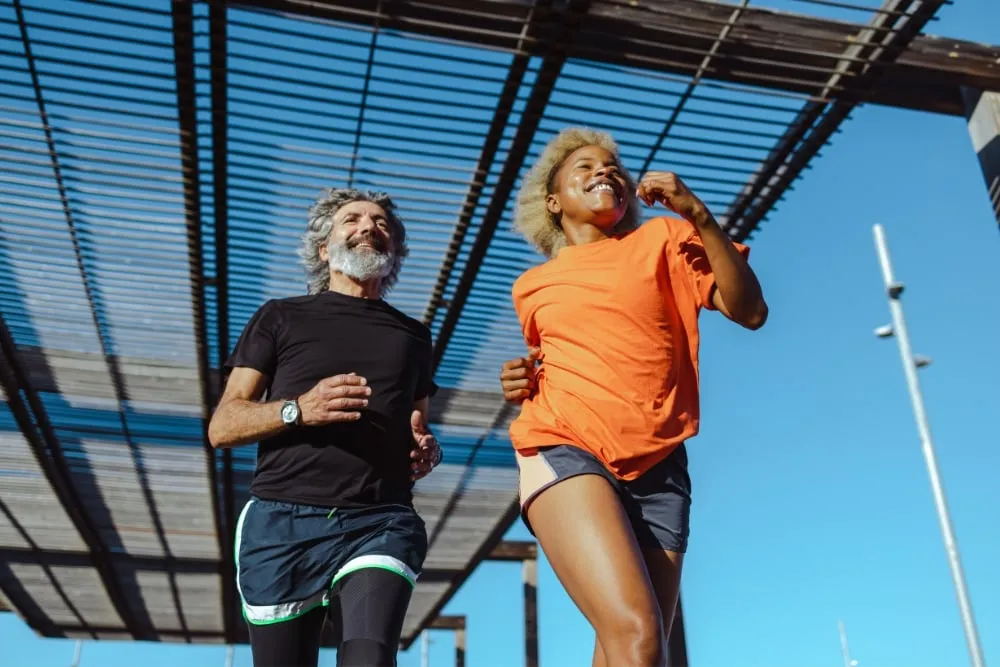
Increased physical activity and fitness
We know how vital it is to stay active for our overall health. That’s why accessible outdoor recreation plays such a key role in boosting physical activity and fitness, especially for us living with disabilities or entering our senior years.
Hiking on an adaptive trail or playing a wheelchair-friendly sport gets our hearts pumping and muscles moving. Regular exercise keeps us fit, strengthens our bodies, and gives us the energy we need to tackle daily tasks more independently.
Making sure everyone has opportunities for regular exercise also helps ward off chronic diseases like heart conditions and diabetes. Inclusive recreation isn’t just about fun; it’s a fundamental part of maintaining good health and fostering independence in supported living environments.
We all deserve the chance to feel strong, capable, and energised through activities that suit our abilities, whether that means using assistive devices at the local park or joining community-based sports teams designed for varying mobility levels.
Improved fundamental movement skills
Developing improved fundamental movement skills is vital for enhancing mobility and independence in daily life. Engaging in accessible outdoor recreation activities, such as walking, swimming, or cycling, can greatly contribute to improving balance, coordination, and strength.
These activities offer an opportunity to practice various movements in a supportive and enjoyable environment, leading to increased confidence and overall physical capabilities. By participating in these holistic leisure programs tailored to enhance fundamental movement skills, individuals with disabilities can experience a greater sense of empowerment and autonomy over their bodies.
Furthermore, joining inclusive leisure and recreation programs provides opportunities for individuals with disabilities to learn new movements in a safe and encouraging setting. Through strength-based activities for independence like yoga or adaptive sports sessions, participants not only develop physical abilities but also acquire essential motor skills that are essential for day-to-day tasks.
Enhanced social skills
After honing fundamental movement skills, individuals with disabilities can further enhance their social skills through accessible outdoor recreation. Engaging in group activities such as team sports or community events provides opportunities to interact, communicate and collaborate with others.
These experiences can foster meaningful connections, build friendships, and improve communication abilities. Interaction during leisure pursuits helps develop essential socialisation skills that are crucial for building self-confidence and promoting a sense of belonging within the community.
Socialisation activities play a vital role in nurturing empathy, understanding diverse perspectives, and enhancing overall interpersonal relationships. Participating in inclusive outdoor recreation programmes offers occasions for mutual support and cooperation among individuals with disabilities, fostering an environment where everyone feels valued and included.
Relieving anxiety, stress, and depression
Engaging in outdoor activities, such as walking or gardening, can help ease feelings of anxiety, stress, and depression. Participating in physical movement releases endorphins which are natural mood boosters.
Socialising with others during these recreational activities can also reduce feelings of loneliness and isolation for people living with disabilities. Taking part in nature-based programs like camping or birdwatching has been shown to improve mental well-being by providing a sense of calmness and connection to the environment.
Experiencing the outdoors and engaging in leisure activities have proven benefits for alleviating symptoms of anxiety, stress, and depression commonly experienced by individuals with disabilities.
Promoting child development and learning
At Don’t Dis My Ability, we believe in providing inclusive and diverse outdoor recreation options that support child development and learning for individuals with disabilities.
We encourage active participation in activities that promote physical, cognitive, and social skills development. By engaging in barrier-free community programs and day activities, individuals can build confidence through new experiences and interactions with peers.
Our strength-based approach focuses on promoting independence by fostering self-reliance through engaging holistic programs designed to nurture individual abilities. Encouraging autonomy in leisure and health programs is crucial for the overall well-being of individuals with disabilities, as it supports their growth, learning, and positive development throughout their lives.
Building resilience and risk management skills
Transitioning from nurturing child development and learning to building resilience and risk management skills, we focus on equipping individuals with disabilities with the necessary tools to navigate life’s challenges.
Engaging in outdoor recreational activities fosters a sense of independence, self-reliance, and adaptability. By participating in strength-based activities, individuals gain practical experience in assessing risks, making informed decisions, and developing problem-solving abilities.
This empowers them to confidently handle unforeseen circumstances while embracing their own capabilities within the community.
Strategies for Caregivers to Promote Independence
Caregivers play a crucial role in promoting independence for individuals with disabilities by encouraging their participation in activities of interest and focusing on their physical health.
Seeking opportunities for work or volunteering can also help foster independence and a sense of purpose.
Encouraging participation in activities of interest
We want you to engage in activities that interest you. Find hobbies or sports that bring joy and fulfilment. Whether it’s painting, gardening, or swimming, there are many options available for you to explore. Discovering new interests can lead to new experiences and connections with others.
Active participation keeps us engaged, motivated, and feeling purposeful in life. Embracing activities that bring us joy also promotes physical health and mental well-being, leading to a more fulfilling lifestyle.
Focusing on physical health
Focusing on physical health is crucial for maintaining overall well-being and independence. Engaging in regular physical activity, such as walking, swimming, or yoga, can help improve strength, flexibility, and cardiovascular health.
It also promotes better sleep and reduces the risk of chronic diseases. By prioritising our physical health, we are empowering ourselves to lead a more active and fulfilling life.
Additionally, eating a balanced diet that includes plenty of fruits, vegetables, whole grains, and lean protein sources like fish and poultry contributes to our overall wellness too. This helps maintain healthy body weight and provides essential nutrients that support our immune system and promote long-term health.
Seeking opportunities for work or volunteering
We can explore various options for work or volunteering that align with our interests and abilities. Engaging in meaningful activities not only provides a sense of purpose but also enhances our skills and self-confidence.
We can reach out to local community centres, organisations, or online platforms that offer opportunities tailored to people with disabilities. Actively participating in such programmes allows us to contribute to the community while fostering independence and self-reliance.
We should embrace the possibilities of finding work or volunteer roles that resonate with our passions and strengths – this opens up new avenues for personal growth and social integration.
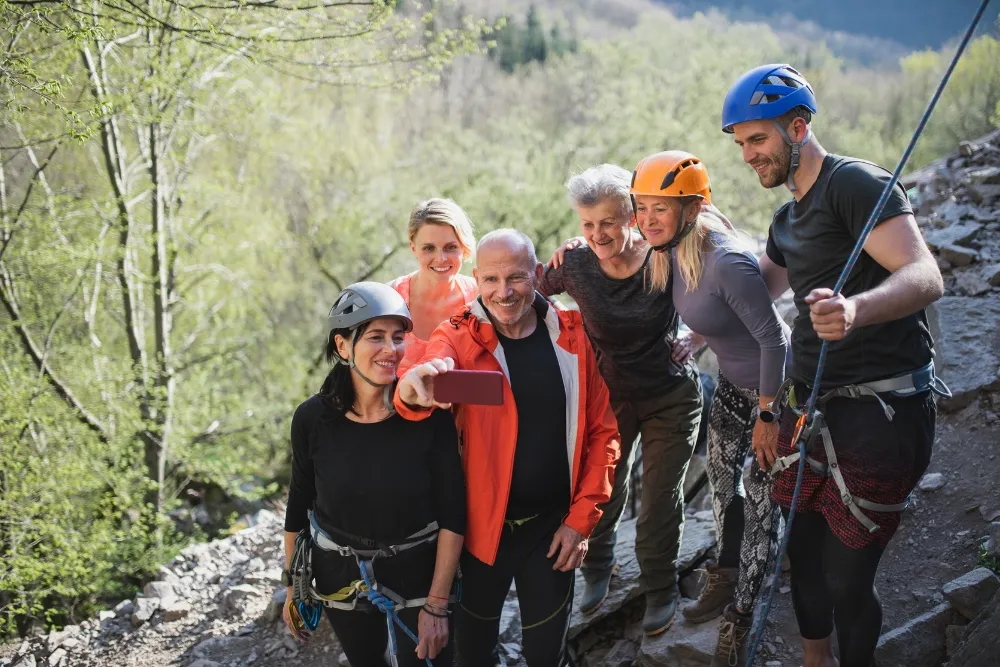
Overcoming Barriers for Outdoor Activities
We will discuss practical strategies to overcome barriers and promote participation in outdoor activities for individuals with disabilities. Read more about how accessible outdoor recreation fosters independence in supported living.
Accessibility modifications
Making outdoor spaces accessible is crucial for individuals with disabilities to participate in recreational activities.
Installing ramps, handrails, and wider pathways ensures that everyone can access parks and trails. Adding tactile paving and braille signage helps those with visual impairments navigate the environment safely, while accessible picnic tables and seating allow for comfort during outdoor gatherings.
Furthermore, providing designated parking spots close to amenities makes it easier for people with mobility challenges to enjoy outdoor experiences.
Support from organisations like Don’t Dis My Ability
When accessibility modifications are not enough, support from organisations like Don’t Dis My Ability becomes crucial. These organisations provide tailored assistance and resources to help individuals with disabilities engage in outdoor activities.
Programmes and services offered by these organisations aim to promote inclusion, community participation, and barrier-free access to recreational opportunities. With the support of such organisations, individuals can explore new experiences, build social connections, and participate in strength-based activities that foster independence in their supported living environment.
Engaging with organisations like Don’t Dis My Ability empowers individuals with disabilities by providing avenues for skill development, promoting autonomy, and encouraging self-reliance.
Through their initiatives and partnerships within the leisure sector, they play a pivotal role in advocating for legislation and regulations that enhance accessibility for disabled people.
Encouragement and support from caregivers
Support from organisations like Don’t Dis My Ability is valuable, but encouragement and support from carers play a crucial role in fostering independence for individuals with disabilities.
Carers can provide emotional support by offering positive reinforcement and celebrating achievements, which helps to build confidence and self-esteem. Additionally, they can offer practical assistance by providing transportation to outdoor activities, helping with adaptive equipment, or assisting with communication to ensure that individuals with disabilities have the necessary resources to participate in recreational opportunities.
Moreover, carers can advocate for inclusive and accessible outdoor recreation options within the community. By actively seeking out these opportunities and engaging in discussions with local authorities or recreational organisations, carers can help create a more conducive environment for independent living and socialisation activities among disabled individuals.
Access Outdoor Recreations
In conclusion, it is vital to promote independence in supported living for individuals with disabilities. Accessible outdoor recreation has numerous benefits and can be a powerful tool in fostering independence.
By overcoming barriers and encouraging participation, we can help individuals with disabilities lead fulfilling lives.
Importance of promoting independence in supported living
Promoting independence in supported living is crucial for individuals with disabilities to lead fulfilling lives. It allows us to make our own choices, pursue our interests, and gain confidence in our abilities.
Independence empowers us to take control of our lives, build meaningful relationships, and contribute to our communities. By promoting self-reliance and autonomy in disability care, we can participate more actively in accessible outdoor recreation, community programmes, and socialisation activities.
Empowering individuals with disabilities through strength-based activities and community participation not only enhances our quality of life but also fosters a sense of belonging and inclusion within society.
Benefits of outdoor recreation for individuals with disabilities
Engaging in outdoor recreation offers numerous benefits for individuals with disabilities. It enhances physical health and fitness, improves fundamental movement skills, and provides opportunities to develop social connections.
Participating in outdoor activities also helps alleviate anxiety, stress, and depression while promoting overall well-being. Additionally, it fosters a sense of accomplishment and resilience by providing opportunities to manage risks effectively.
Furthermore, being active outdoors encourages learning through practical experiences and promotes independence among individuals with disabilities. It is an empowering way to embrace autonomy while enjoying strength-based activities within the community.
Ways to overcome barriers and promote participation
To overcome barriers and promote participation, we can focus on making outdoor activities more accessible. This includes ensuring that facilities are barrier-free and equipped with the necessary modifications to accommodate individuals with disabilities.
Additionally, seeking support from organisations like Don’t Dis My Ability can provide valuable resources for overcoming obstacles and finding inclusive recreational opportunities.
By advocating for legislation and regulations in the leisure and health sector, we can work towards creating a more inclusive environment for community participation.
Moreover, encouraging autonomy in disability and promoting self-reliance are essential in fostering independence. It’s also important to seek out strength-based activities that cater to individual needs while providing opportunities for socialisation and new experiences through day programmes.
Nurturing independence for individuals with disabilities to lead fulfilling lives.
We believe in nurturing independence for individuals with disabilities to help them lead fulfilling lives. This means empowering individuals with disabilities to make choices, access opportunities, and develop their strengths.
It’s about promoting self-reliance and interdependence in disability services while ensuring that legislation and regulations in the leisure and health sector support community participation for individuals with disabilities.
In our programmes, we focus on strength-based activities for independence, such as day programmes that encourage socialisation and new experiences. By providing barrier-free access to outdoor recreational activities and supporting independent living skills, we aim to foster a sense of empowerment among disabled people.