
Creating an accessible home isn’t just about installing ramps or handrails, it’s about making sure everyone can move comfortably, safely, and independently. Whether you’re planning a few small changes or a complete home renovation, improving accessibility helps people of all ages and abilities live with greater confidence and ease.
At Don’t Dis my Ability, we believe accessibility starts with awareness. Simple adjustments can make a huge difference in helping people stay connected to their homes and communities.
Why Accessibility Matters
An accessible home is about freedom, comfort, and dignity. It allows people to remain independent, reduces the risk of accidents, and supports carers, family members, and visitors with different needs.
As more Australians choose to age at home or support loved ones with disabilities, accessibility has become an essential part of good home design, not a luxury.
Common Barriers at Home
Before you make changes, it’s worth looking at where accessibility challenges usually appear.
Entrances and Pathways
Steps, uneven surfaces, and narrow doorways can make it difficult for people using wheelchairs, walkers, or prams to move safely.
Bathrooms and Toilets
Slippery floors, high bathtubs, and hard-to-reach fixtures can be unsafe. Bathrooms are one of the most common places for falls, especially for older adults.
Kitchens and Living Spaces
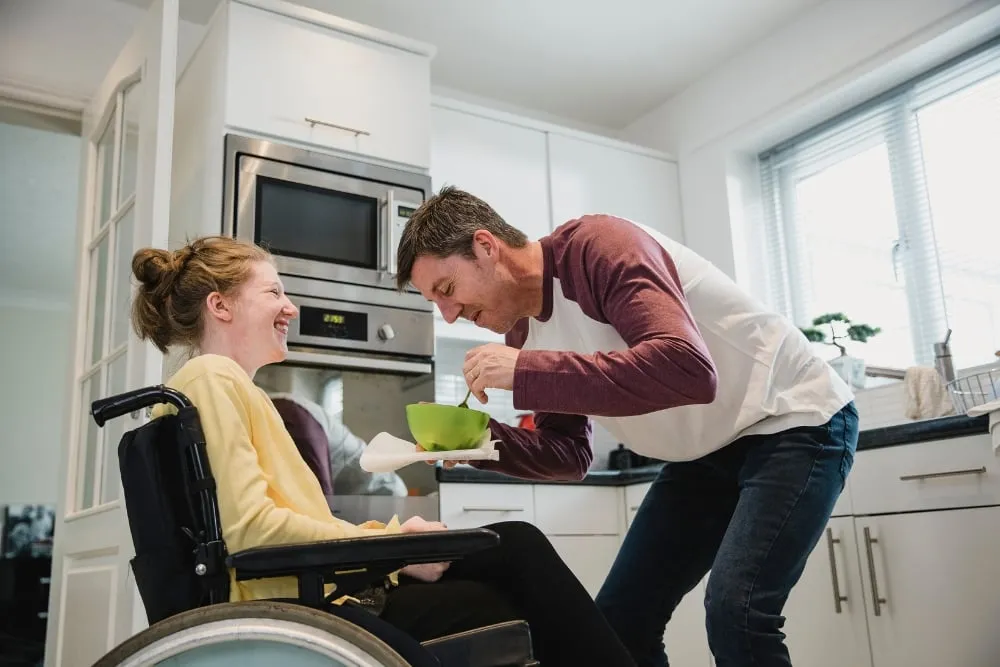
Cupboards that are too high, poor lighting, or cluttered layouts can limit independence. A few layout adjustments can make these spaces easier and safer to use.
Bedrooms
Low lighting, tight spaces, and hard-to-access storage can make daily routines more challenging for people with limited mobility.
Practical Ways to Improve Accessibility
You don’t always need a full renovation to make your home more accessible. Many changes are simple, affordable, and can be done gradually.
Start with Safer Entry Points
Replace steps with low-gradient ramps or install handrails near doors. Widening doorways and removing raised thresholds can also make a big difference.
Focus on Lighting
Good lighting improves visibility and safety. Use bright, even lighting in hallways, bathrooms, and entryways. Motion-sensor lights can also help at night.
Rework Your Bathroom
Install grab rails, non-slip flooring, and a walk-in shower with a handheld showerhead. Consider lowering vanities or using lever-style taps that are easier to operate.
Adjust Heights and Layouts
In kitchens, position benches and cupboards at accessible heights. In bedrooms, ensure switches, shelves, and wardrobes can be reached from seated or standing positions.
Upgrade Flooring
Smooth, slip-resistant surfaces are easier for mobility aids to navigate. Avoid thick rugs or uneven transitions between rooms.
Smart Home Technology
Voice-activated lighting, automatic doors, or remote-controlled blinds can make everyday living easier and more inclusive for everyone.
Designing for the Future
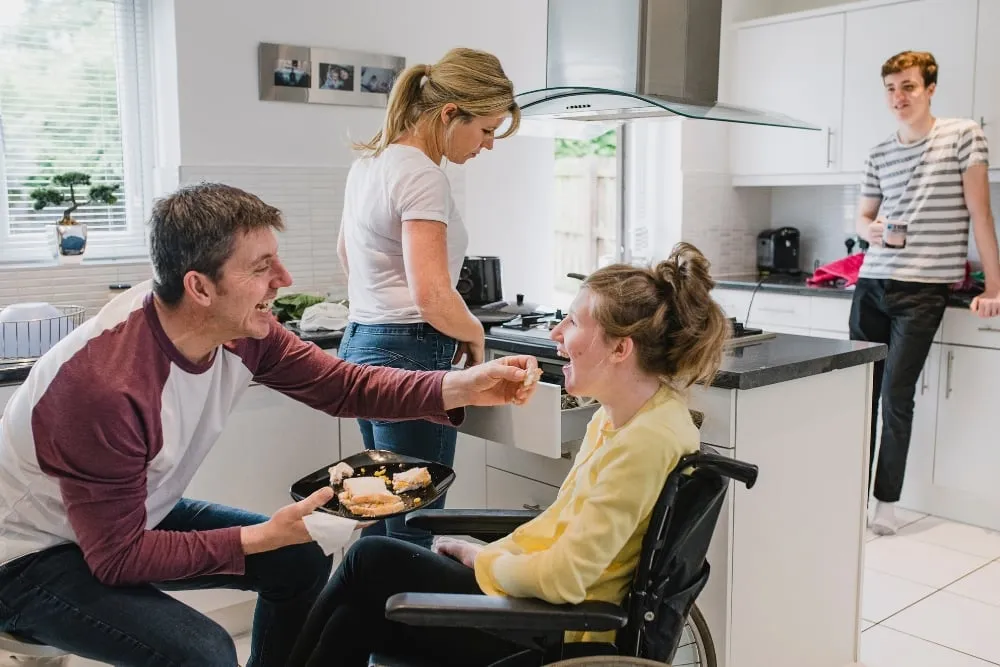
Accessibility is not just about immediate needs; it’s also about planning ahead. A well-designed home can adapt as life changes, supporting growing families, ageing parents, or recovery after injury.
By thinking ahead, you’ll save time and money down the track while creating a home that’s welcoming to everyone who walks through the door.
Getting Expert Advice
If you’re planning major changes, an occupational therapist or access consultant can help identify specific needs and design practical solutions. They can guide you on layout, fittings, and government support programs that may help cover modification costs.
We encourage Australians to start conversations about accessibility early. The right advice can make your home safer, more comfortable, and better suited to long-term living.
Building Inclusive Communities, One Home at a Time
Making your home more accessible is one of the most powerful ways to promote inclusion. When homes are designed for everyone, communities become stronger, more supportive, and more connected.
Accessibility isn’t just about design, it’s about dignity, independence, and quality of life. Every ramp, rail, and widened doorway brings us closer to a more inclusive Australia.