
Seeking out a cosy spot to call home can be a fair dinkum challenge, even more so when you or someone close to your heart is navigating life with a disability. We’re no strangers to this hurdle ourselves and realise that here in the land down under, over 4 million folks live with some form of disability, that’s nearly 1 in 5 of our mates across the country.
Our yarn today is all about guiding you through the nitty-gritty of tailoring dwellings that champion both independence and a sense of belonging, making sure everyone feels right at home.
Trust us, we understand how pivotal it is to have a sanctuary where comfort meets functionality. So let’s roll up our sleeves and work together on this journey towards creating homes that aren’t just places to live but spaces where every Aussie, regardless of ability, can truly thrive.
Key Takeaways
- Inclusive living spaces are essential for the 4 million Australians with disabilities, providing them the freedom to navigate their homes easily and safely.
- Smart home technology in these spaces boosts independence by allowing voice control and automated adjustments that simplify daily activities.
- Adjustments like ramp installations, wider doorways, slip-resistant flooring, and lever-style handles make environments accessible to everyone.
- Designing communal areas for socialising and features for hosting helps individuals with disabilities stay connected with friends and family in their communities.
- Inclusive design not only benefits those with disabilities but also supports ageing populations, ensuring comfort and autonomy in their living spaces.
Understanding Inclusivity
Inclusivity is key in designing living spaces for people with disabilities. Accessible and inclusive environments have a positive impact on individuals, promoting independence and social participation.
Importance of inclusive design in supported independent living spaces
We all deserve to live in a place that’s tailored to our needs, especially as we age or manage disabilities.
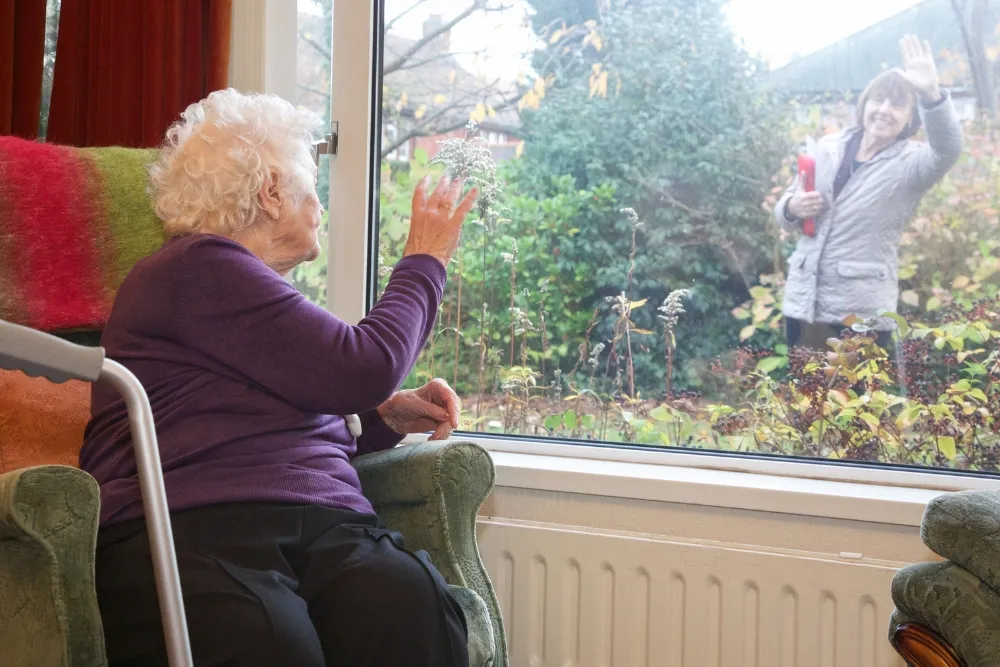
Inclusive design in supported independent living spaces makes this possible by creating environments where barriers are eliminated and everyone can navigate their home easily.
It ensures kitchens have adjustable countertops for wheelchair users, bathrooms are equipped with grab bars for safety, and doorways are wide enough to accommodate different mobility devices.
Our community grows stronger when everyone’s included. With inclusive housing options, friends who use wheelchairs and family members with visual impairments can visit without any trouble.
This approach encourages independence and boosts confidence, allowing us to lead fulfilling lives regardless of physical limitations. Adaptive living solutions like these empower each of us to engage more fully with the world around us.
Impact of accessible and inclusive spaces on individuals
Accessible and inclusive living spaces have a profound impact on our daily lives. With disability-friendly design and barrier-free living, we experience increased independence and mobility within our homes.
Adaptive housing promotes social participation, allowing us to engage more fully in activities with friends and family.
In these inclusive environments, the stress of navigating inaccessible spaces is reduced, enabling us to move freely without limitation. Accessible home modifications such as smart home technology further enhance our autonomy.

Creating Inclusive Living Spaces
When creating inclusive living spaces, we focus on designing for accessibility and incorporating smart home technology to promote independence and social participation. These elements are essential in ensuring that individuals with disabilities or seniors can live comfortably and participate fully in their living environment.
Designing for accessibility
- Ensure that doorways and hallways are wide enough to accommodate mobility aids such as wheelchairs and walkers.
- Use lever-style door handles and taps for ease of use by individuals with limited hand strength or dexterity.
- Install grab bars in bathrooms and beside toilets to provide support and stability.
- Choose slip-resistant flooring materials to prevent falls and ensure safety.
- Utilise adjustable countertops in kitchens to accommodate varying heights and wheelchair access.
- Incorporate lighting that is bright, glare-free, and evenly distributed throughout the living space for improved visibility.
- Integrate tactile signage or braille labels for individuals with visual impairments to easily navigate the environment.
- Implement a colour contrast scheme between walls, floors, furniture, and essential features to assist individuals with low vision or colour blindness.
Incorporating smart home technology
- Installing voice-activated assistants such as Amazon Echo or Google Home, which can help with reminders, control of various devices, and accessing information hands-free.
- Utilising smart thermostats that can be easily controlled from a smartphone or through voice commands to maintain a comfortable living environment without the need for manual adjustments.
- Integrating automated lighting systems that can be programmed to turn on/off or adjust brightness levels based on movement, time of day, or specific lighting needs.
- Implementing smart locks with keyless entry options and remote access capabilities for enhanced security and ease of access for caregivers or support workers.
- Incorporating smart appliances like fridges, cookers, and washing machines that offer features designed for easier operation by individuals with disabilities or limited mobility.
Promoting independence and social participation
We focus on designing living spaces that empower you to live independently and participate in social activities. We create homes that allow you to move around freely, access all areas, and perform daily tasks with ease.
Our goal is to promote your autonomy while ensuring you feel included in the community.
Our designs encourage interaction with others, whether it’s through accessible common areas or adaptable features that enable you to host gatherings. We want your home to be a place where you can thrive and engage with friends and family without limitations.
By prioritising independence and social participation, we aim to provide spaces that enhance your overall well-being.
At Ease with Independent Living Space
Creating inclusive living spaces is vital for promoting independence and social participation. Designing for accessibility allows individuals to move freely and comfortably within their homes.
Incorporating smart home technology enables greater control over the living environment. Disability-friendly design fosters a sense of inclusivity, ensuring that everyone can lead fulfilling lives in supported independent living spaces.