
Embracing Diversity in the Classroom
Inclusive education is about more than just making adjustments; it’s about creating an environment where every student, regardless of their abilities, feels valued and supported. This approach not only benefits students with disabilities but enriches the entire classroom experience. By embracing inclusive practices, schools with the assistance of support organisations, can ensure that every student has the opportunity to thrive.
Understanding Inclusive Education
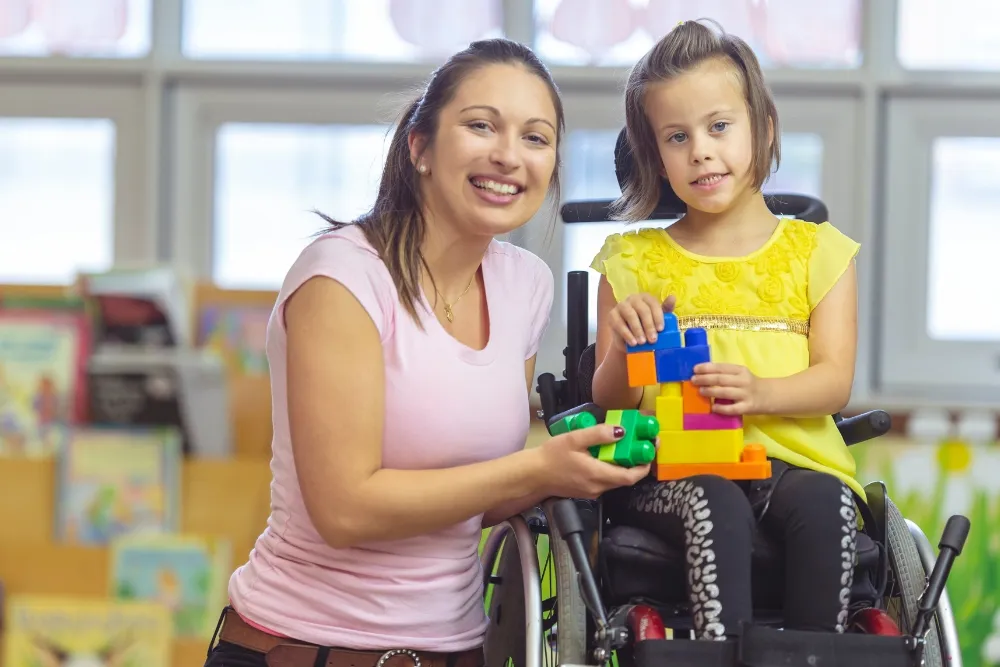
Inclusive education involves integrating students with disabilities into general education classrooms rather than segregating them into special education classes. This method aims to provide all students with the same learning opportunities and fosters an environment of mutual respect and understanding. By adapting teaching methods and materials, schools can accommodate various learning needs and styles.
The Benefits of Inclusive Education
Inclusion has numerous benefits. For students with disabilities, it provides access to the general curriculum and interactions with their peers, which can enhance their academic and social development. For other students, it fosters empathy, respect, and a broader understanding of diversity. Inclusive classrooms encourage collaboration and problem-solving skills among all students.
Strategies for Implementing Inclusive Education
- Differentiated Instruction: Teachers can use various instructional methods to address different learning styles. This might include visual aids, hands-on activities, and auditory materials to cater to students’ diverse needs.
- Assistive Technology: Tools like speech-to-text software, audiobooks, and interactive apps can support students with disabilities. These technologies can help level the playing field by providing alternative ways to access and demonstrate knowledge.
- Flexible Assessment Methods: Traditional tests may not always be the best way to assess students’ understanding. Alternative assessments, such as project-based work or oral presentations, can provide a more comprehensive evaluation of students’ learning.
- Collaborative Teaching: Co-teaching models, where general and special education teachers work together, can offer students more personalised support. This approach allows for targeted instruction and immediate feedback.
Creating an Inclusive Classroom Environment
- Accessible Physical Space: Ensuring that the classroom is physically accessible is crucial. This might involve arranging furniture to accommodate wheelchairs or providing adaptive seating.
- Inclusive Materials: Use resources that reflect diverse abilities and experiences. Books, activities, and visual aids should include characters and scenarios that represent all students.
- Building a Supportive Culture: Establishing a classroom culture of inclusion starts with setting a positive tone. Encourage students to be kind, patient, and supportive of one another. Celebrating diversity and promoting teamwork can help build a more inclusive environment.
Involving Families and Communities
Engaging families and communities in the process of inclusive education is essential. Schools should actively communicate with parents and caregivers to understand their children’s needs and collaborate on strategies to support them. Community resources, such as local support groups and organisations, can also provide valuable assistance.
Professional Development for Educators
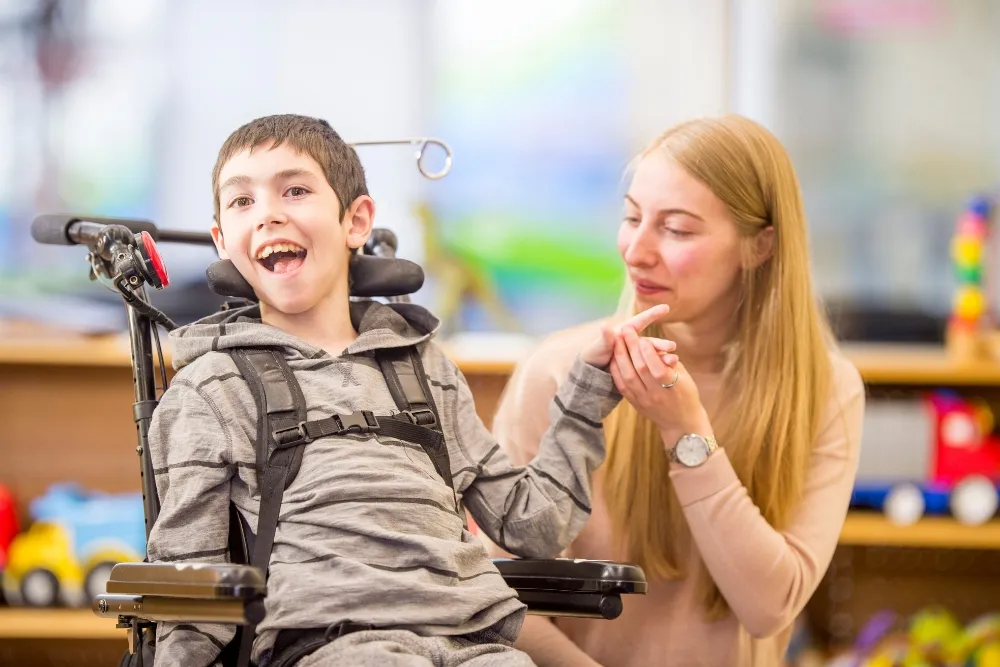
Teachers and staff need ongoing training to effectively implement inclusive practices. Professional development programs can offer strategies for differentiating instruction, using assistive technologies, and understanding various disabilities. Continuous learning ensures that educators are well-equipped to support all students.
Challenges and Solutions
Despite its benefits, inclusive education can face challenges, such as limited resources or resistance to change. Addressing these challenges involves advocating for necessary resources, fostering a culture of inclusion, and continuously evaluating and adjusting practices to meet students’ needs.
A Future Where Every Student Thrives
Inclusive education isn’t just a trend; it’s a commitment to creating a classroom environment where every student has the opportunity to succeed. By embracing diversity and making thoughtful adjustments, schools can ensure that all students, regardless of their abilities, feel valued and supported. Let’s continue to work towards a future where every student can thrive in an inclusive, supportive educational environment.