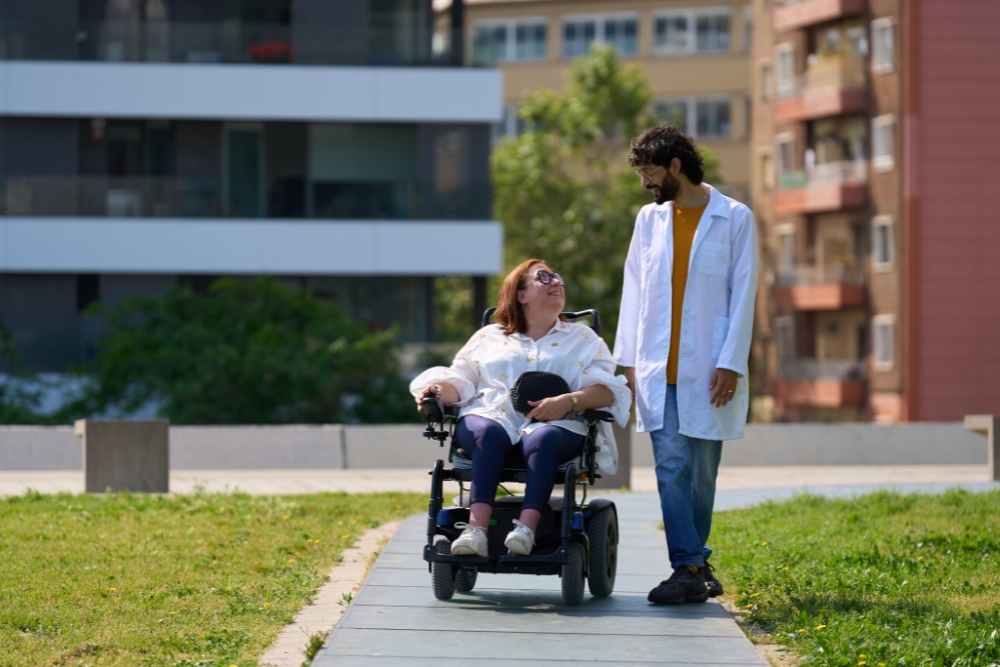
The disability services sector in Australia continues to progress through new ideas, smarter technology, and stronger community partnerships. In 2026, the focus is on providing accessible, flexible, and person-centred support that improves everyday living and long-term independence.
People with disability often face challenges related to access, affordability, and coordination of care. When services do not adapt to changing needs, opportunities for growth and participation can be limited. Recent developments in technology, data systems, and inclusive policy are helping address these issues and create practical solutions that strengthen support networks.
Innovation now extends beyond equipment and programs. It includes a shared effort between government, service providers, and communities to improve collaboration and equality. The following sections highlight key advancements across technology, service delivery, and inclusion shaping disability support in 2026.
Smarter Technology
Technology continues to play a major role in improving disability services across Australia. In 2026, digital innovation focuses on independence, communication, and safety for people with disability. Artificial intelligence, smart home systems, and wearable devices are becoming more practical and affordable, supporting day-to-day living in new ways.
AI-driven voice tools now assist with scheduling, reminders, and navigation, allowing users to manage activities without manual input. Smart home integration connects lighting, temperature, and security controls to accessible mobile applications. Wearable health devices provide accurate monitoring, helping care teams track wellbeing and respond to changes quickly.
Manufacturers and service providers are also developing adaptive technology that suits a wider range of mobility and communication needs. Customisable wheelchairs, sensory devices, and digital communication aids are designed for ease of use and long-term comfort.
These advancements continue to support equal access and participation within homes, workplaces, and public spaces.

Personalised Support Services
Support services in 2026 are becoming more personalised as organisations use data and feedback to shape individual care plans. This approach focuses on helping each person reach their goals through flexible and practical support options. Providers are using insights from technology, client assessments, and community programs to design plans that match individual needs and preferences.
Participants of the National Disability Insurance Scheme now have more choice and control over how their funding is managed. Services can be selected based on skill development, community participation, or daily living goals. This shift encourages open communication between participants, families, and providers to achieve results that align with real needs.
Collaboration between organisations also plays a growing role in providing tailored support. Shared information systems and coordinated planning are helping improve service quality and reduce duplication of effort. These developments are shaping a system that values independence, transparency, and flexibility in disability care.
Community-Based Programs
Community-based initiatives continue to expand across Australia, creating more opportunities for participation, learning, and connection. In 2026, local councils, not-for-profit organisations, and advocacy groups are working together to make inclusion a consistent part of everyday life.
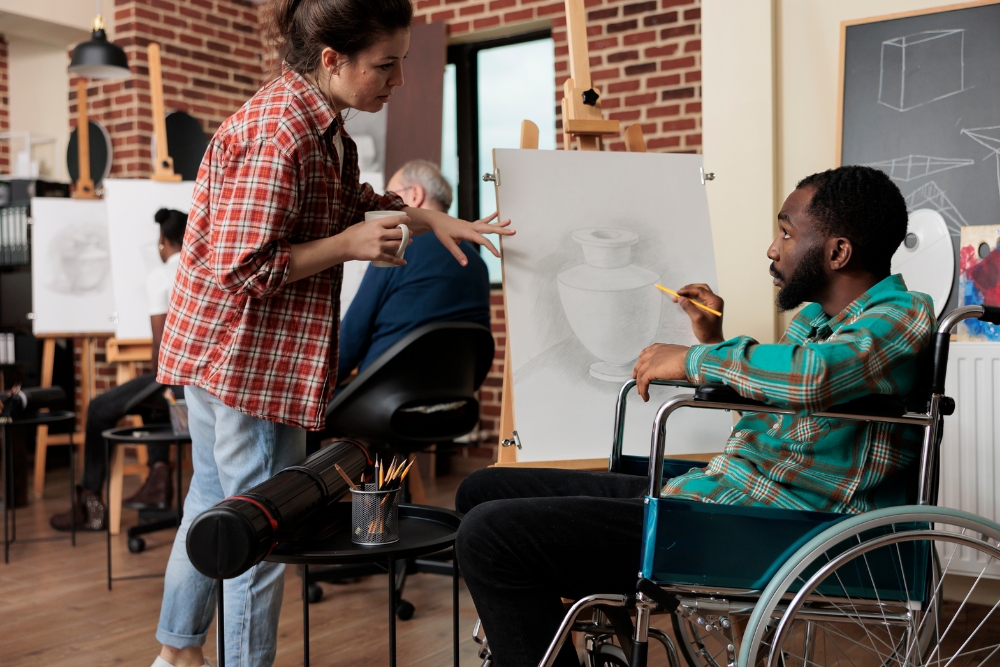
New programs focus on employment training, creative workshops, and inclusive sports that encourage people with disability to develop skills and confidence. These activities not only promote independence but also strengthen relationships between participants, families, and community members. Many programs now include peer mentoring and accessible learning options that allow people to share experiences and build self-reliance.
Support from public and private partnerships is also increasing access to regional and rural programs. This cooperation helps reduce isolation and provides equal opportunities for those living outside major cities. Through continued investment in inclusive activities, communities are becoming more connected and supportive of people with disability in every stage of life.
Mental Health and Wellbeing
Mental health has become a central focus within disability services across Australia in 2026. Providers are now recognising that physical support alone does not address the full scope of wellbeing. Programs are being developed to include psychological care, emotional support, and strategies that help people maintain balance in daily life.
More organisations now include peer mentoring, counselling, and mindfulness sessions as part of their regular services. These initiatives aim to improve confidence, reduce stress, and promote community connection. Support workers and allied health professionals are also receiving additional training to identify early signs of mental health concerns and connect clients with appropriate resources.
A holistic approach combines physical, social, and emotional care to improve quality of life over time. This shift encourages open discussions about mental health and reduces stigma within the disability community. Through early intervention and inclusive planning, people with disability are gaining more consistent access to the support needed for long-term wellbeing.
Collaboration and Integration
Collaboration between service providers, carers, and communities continues to strengthen disability support networks across Australia. In 2026, shared digital systems and cooperative planning models are improving coordination between different areas of care. This approach gives people with disability access to consistent and transparent services that meet their changing needs.
Providers are now using digital platforms to share information and monitor progress across health, education, and social programs. These systems allow support teams, families, and participants to work together more efficiently, reducing communication gaps and improving outcomes. Collaboration also promotes accountability, helping maintain high standards in service delivery.
Local partnerships are creating new opportunities for community involvement. Councils, advocacy groups, and private organisations are joining efforts to design inclusive events, training sessions, and awareness programs.
This cooperation builds stronger relationships between communities and service providers, contributing to an environment that values accessibility, trust, and shared progress.

Building Inclusion and Future Outlook
The future of disability services in Australia is guided by inclusion, accessibility, and collaboration. Every new development in technology, policy, or community planning aims to create environments that support equal participation and independence. The ongoing focus on shared responsibility between governments, providers, and communities is helping to build systems that respond to real needs.
Innovation in 2026 reflects a shift toward integrated support that values both individual choice and collective progress. Improved coordination between organisations ensures that services reach people where they live and in ways that suit their circumstances. Programs promoting accessibility in workplaces, education, and recreation are also expanding across states and territories.
Building inclusion involves recognising the contributions of people with disability as active participants in their communities. Through continued cooperation and awareness, Australia is moving closer to a model of support that prioritises respect, opportunity, and long-term equality.
Frequently Asked Questions
What are the main innovations in disability services for 2026?
The key developments include advanced assistive technology, greater personalisation in care planning, improved collaboration between service providers, and stronger community-based programs across Australia.
How is technology supporting people with disability in 2026?
AI-based tools, smart home systems, and wearable devices now help people manage daily tasks, monitor health, and maintain communication. These technologies promote independence and safer living environments.
What changes are taking place in NDIS support plans?
Participants now have more flexibility in how funding is used. Plans can be structured around personal goals and adjusted as needs evolve, promoting more control and accountability.
Why is collaboration important in disability services?
Collaboration between providers, families, and communities helps create consistent care and reduces service gaps. It also improves transparency and allows support networks to respond quickly to individual needs.
How are mental health and wellbeing included in new service models?
Providers are including counselling, peer support, and preventative programs that focus on mental health. These initiatives encourage balance between physical, emotional, and social wellbeing.
Building Independence Through Connection
Innovation across the disability sector in 2026 reflects a shared goal of equality and inclusion. Through collaboration, technology, and personalised care, Australians are working toward a future where people with disability can live with confidence and independence.
Don’t Dis My Ability supports this vision through programs, partnerships, and advocacy that connect people with reliable services and inclusive opportunities. Contact us for information on community programs and how to participate in creating a more accessible Australia.