
As we journey through the years, that youthful rush of life tends to give way to a more serene pace, eh? And it’s fair dinkum that as this shift unfolds, finding peace within ourselves becomes a bit of a priority.
We get it – such changes aren’t always a walk in the park. There’s research out there confirming how much mindfulness can improve our older mates’ quality of life. Our yarn today is chockers with handy hints on weaving meditation into aged care, because let’s face it, bringing about mental clarity and emotional wellbeing is gold for helping our elders age like fine wine with poise and serenity.
Key Takeaways
- Mindful aging helps seniors live in the moment and embrace getting older with a positive attitude, leading to better mental and physical health.
- Meditation can be added into aged care by setting up quiet spaces, holding group sessions, and teaching staff how to use it every day for stress relief and emotional strength.
- To make sure everyone gets the most out of mindfulness, you need to change practices based on each person’s abilities, preferences, and cultural background.
- Overcoming challenges in meditation includes accepting distractions as part of learning and finding ways to stay still even when it’s tough.
- As elder care continues to grow, using mindfulness will become important for improving how we take care of older people by helping with their minds, emotions, and spirit.
Understanding Mindful Aging
Mindful aging refers to the practice of being present at the moment and embracing the natural process of aging with acceptance and grace. The benefits of mindful aging include improved emotional well-being, reduced stress, and greater overall satisfaction with life.
Definition of Mindful Aging
Mindful aging is about embracing the later years with a sense of awareness and appreciation.
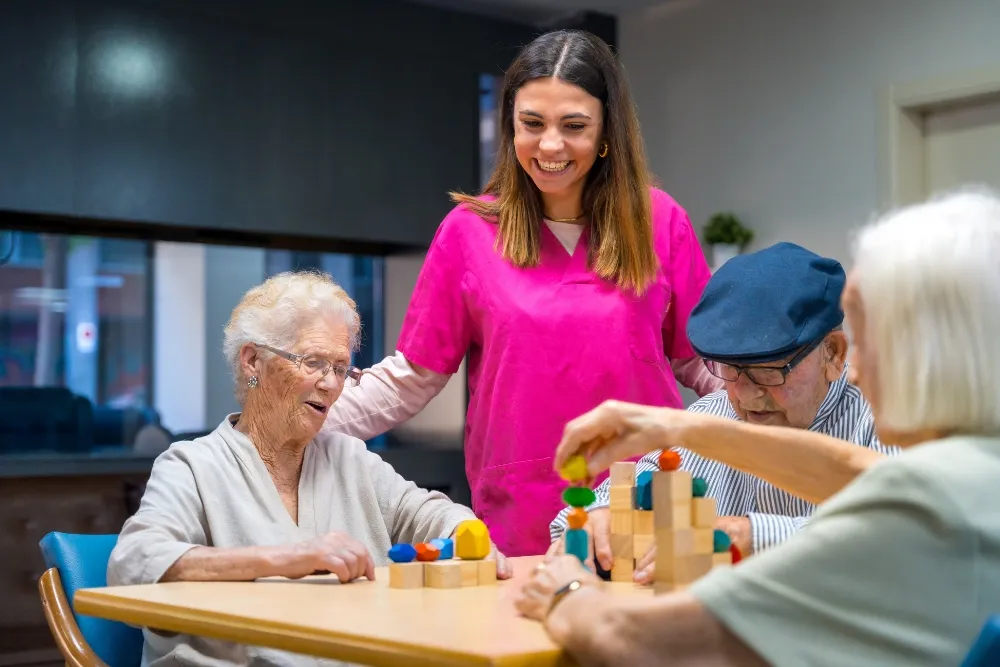
It means living each moment fully, regardless of our age or abilities. We focus on the positives, maintaining a grateful outlook even as we navigate the complexities that come with growing older.
By doing so, we enhance our mental and physical health, creating peace within ourselves and promoting wellbeing.
We incorporate practices like meditation, yoga, and gratitude exercises into daily routines to support mindful aging. These activities help us stay connected with our present experiences rather than dwelling on what used to be or fearing what’s yet to come.
As we engage in these mindfulness practices regularly within aged care facilities or at home, caregivers witness improved moods and increased resilience among older adults in their care.
Benefits of Mindful Aging
Mindful aging helps us stay connected to the present moment, reducing stress and anxiety, and promoting emotional well-being.
- Practising mindfulness enhances our ability to manage chronic pain, boosting our overall physical health.
- By incorporating meditation into our daily routine, we can improve our cognitive function, memory, and attention span.
- Engaging in mindful aging can foster a sense of gratitude and fulfilment in our lives, promoting a positive outlook and emotional resilience.
- Embracing mindfulness promotes better sleep quality, aiding in the management of sleep disorders commonly experienced by seniors.
Incorporating Meditation in Aged Care
We will explore how meditation practices can be integrated into aged care to promote mindfulness and improve the overall well-being of seniors. From implementing mindfulness programs to incorporating meditation techniques, we will discuss the various ways in which these practices can be incorporated into senior care facilities.
Overview of the Intervention
Incorporating meditation and mindfulness into aged care involves introducing various techniques to help improve mental and emotional well-being. These practices can include guided meditation, deep breathing exercises, and gentle movement activities like tai chi or yoga.
By embracing these methods, individuals can experience reduced stress levels, improved sleep quality, increased feelings of relaxation, and enhanced overall emotional resilience. Additionally, incorporating mindfulness in aged care promotes a sense of connection with others and cultivates gratitude for life’s blessings.
Implementing mindfulness and meditation in senior care also involves creating an environment that supports these practices. This may include providing quiet spaces for reflection, offering regular group meditation sessions, as well as training staff members on how to integrate mindful techniques into daily routines.
Implementing Mindfulness and Meditation in Senior Care
- Encouraging simple breathing exercises to reduce stress and anxiety.
- Creating designated meditation spaces within residential facilities to promote mental clarity and relaxation.
- Offering guided mindfulness sessions tailored to the needs and abilities of elderly residents, fostering a sense of peace and tranquillity.
- Incorporating gentle movement practices such as yoga or tai chi to enhance flexibility and balance among senior citizens.
- Providing opportunities for spiritual care through activities like gratitude practice or nature walks promotes a sense of interconnectedness and purpose.
Overcoming Challenges and Tailoring Practices for Individual Needs
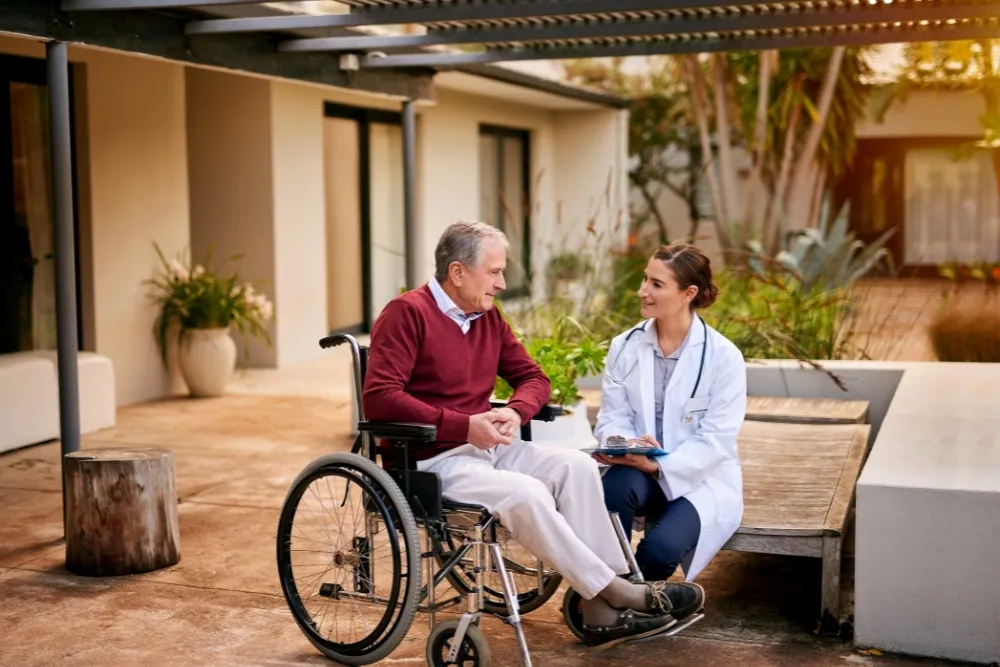
Tailoring mindfulness practices to suit individual needs can be a challenge, but it is crucial for effective aged care. Overcoming obstacles and finding personalised approaches can greatly benefit the overall well-being of seniors in residential care.
Tailoring Mindfulness to Individual Needs
Mindfulness practices can be tailored to suit individual needs, allowing for a more personalised approach to meditation. This means taking into account factors such as physical abilities, cognitive function, and personal preferences.
- Adapting mindfulness exercises to accommodate limited mobility, incorporating seated or lying down meditation positions.
- Modifying meditation techniques for those with sensory impairments, such as using guided meditation audio recordings or tactile objects for focus.
- Adjusting the duration and intensity of mindfulness sessions to align with varying levels of concentration and energy.
- Customising mindfulness activities to resonate with diverse cultural backgrounds and belief systems.
- Tailoring meditation practices to address specific emotional or psychological challenges faced by individuals in aged care settings.
Common Obstacles and How to Overcome Them
Tailoring mindfulness to individual needs enables us to address unique challenges. Overcoming obstacles in meditation practices can be achieved by:
- Acknowledging and accepting distractions as part of the practice, gently guiding focus back to the present moment.
- Embracing discomfort or restlessness by observing sensations without judgment, gradually easing into stillness.
- Managing time constraints through short, regular sessions and integrating mindfulness into daily routines.
- Adapting techniques for physical limitations, exploring seated or lying-down meditation postures.
The Future of Elder Care: Mindfulness as a Holistic Approach
As we move forward, mindfulness and meditation will play a pivotal role in augmenting the quality of elder care. These practices are not just about relaxation; they have profound impacts on mental acuity, emotional well-being, and spiritual health.
By integrating mindfulness as a holistic approach within aged care settings, we can foster an environment that promotes overall wellness for senior citizens and disabled individuals.
Embracing mindfulness as a holistic approach can revolutionise how we perceive and deliver elder care. It empowers individuals to connect with their inner selves, leading to better resilience against age-related challenges.
Moreover, it offers an avenue for seniors and disabled persons to find solace amidst physical limitations or health concerns.
Have a Peaceful Meditation in Aged Care
In conclusion, integrating meditation practices in aged care is essential for promoting holistic well-being. Mindful aging offers numerous benefits for seniors and can greatly improve their quality of life.
By incorporating mindfulness and tailored meditation practices, we can provide compassionate and effective care to elderly individuals. Get in touch with us and know how to integrate meditation practices while embracing mindful aging as a core approach in elder care holds great promise for the future.