
In holistic and personalised care, the therapeutic potential of music stands out as a powerful and universal medium. Music therapy, a dynamic and evidence-based practice, has emerged as a transformative tool for individuals seeking emotional, mental, and physical well-being. This blog explores the profound impact of music therapy on personalised care, delving into the healing harmonies that contribute to the overall health and wellness of individuals.
A Universal Language
Music is often described as a universal language, capable of transcending barriers and resonating with individuals on a profound level. Regardless of cultural background, age, or ability, people have a unique connection to music. Music therapy harnesses this universal appeal to provide personalised care that speaks to the individual’s specific needs and experiences.
Emotional Resonance and Expression
Music has the power to evoke emotions and memories, providing a safe avenue for individuals to express themselves. In a therapeutic setting, individuals can explore and process their emotions through musical experiences tailored to their preferences. This personalised approach allows for a deeper emotional connection and a more nuanced understanding of the individual’s inner world.
Stress Reduction and Relaxation
Personalised music therapy sessions are designed to promote relaxation and reduce stress. The soothing and rhythmic elements of music have a calming effect on the nervous system, making it an effective tool for managing stress and anxiety. Whether through live music, recorded compositions, or guided listening, individuals can experience a sense of tranquillity tailored to their preferences.
Cognitive Enhancement
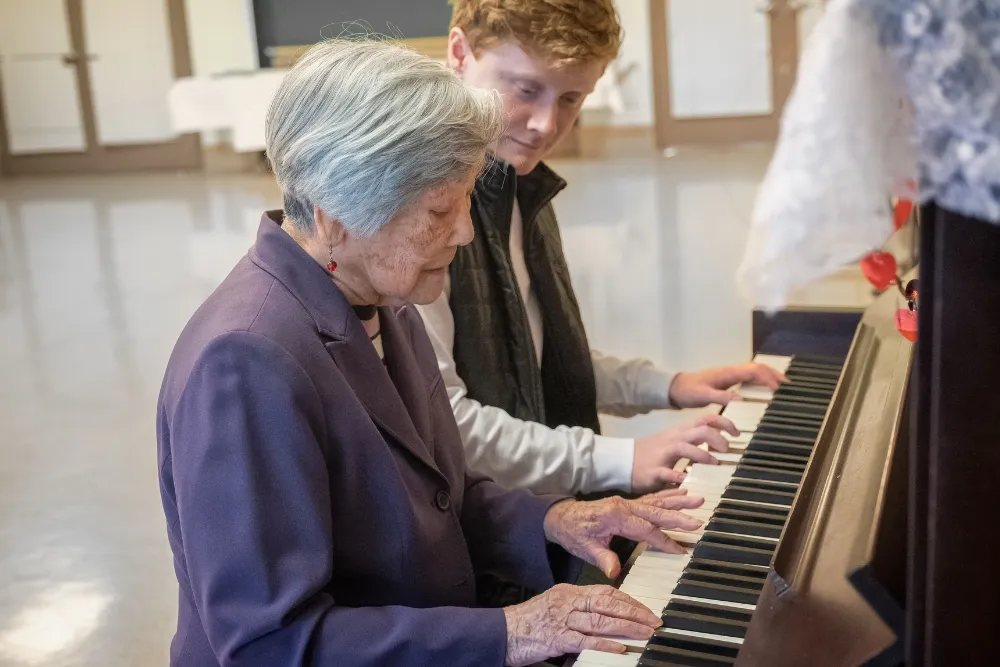
Music therapy has been shown to have positive effects on cognitive functions such as memory, attention, and problem-solving. Personalised interventions, including rhythmic auditory stimulation and musical games, can be adapted to address specific cognitive goals. This makes music therapy a valuable asset in personalised care plans for individuals dealing with cognitive challenges.
Physical Rehabilitation
In the context of personalised care, music therapy plays a role in physical rehabilitation. Rhythmic elements and structured musical activities can be incorporated to enhance motor skills, coordination, and physical endurance. This personalised approach ensures that individuals receive targeted interventions based on their unique physical abilities and goals.
Fostering Social Connection
Music has the remarkable ability to bring people together. In a personalised care setting, group music therapy sessions create opportunities for social interaction and connection. Shared musical experiences contribute to a sense of community, reducing feelings of isolation and fostering a supportive environment for individuals undergoing personalised care.
Tailored Therapeutic Interventions
Every individual is unique, and so are their therapeutic needs. Music therapists work closely with individuals to understand their preferences, challenges, and goals, tailoring interventions accordingly. Whether it’s composing original music, engaging in improvisation, or using specific instruments, the personalised nature of music therapy ensures that the therapeutic journey aligns with the individual’s preferences and comfort.
In the symphony of personalised care, music therapy emerges as a healing force, offering a tailored and dynamic approach to well-being. Through personalised sessions that tap into the universal language of music, individuals can embark on a transformative journey that addresses their specific emotional, cognitive, and physical needs. Healing harmonies, guided by trained music therapists, create a unique and empowering space for individuals to achieve holistic wellness and embrace the therapeutic power of music. Visit the ConnectAbility website to learn more about how they can connect a therapist to you, or someone you care for, through the NDIS. Alternatively, call them on 02 4962 1000 in Newcastle or 02 4349 3700 on the Central Coast.