
Maintaining a keen wit and sharp memory is something many of us strive for as we get on in years, isn’t it? You’re not on your own with this one; it’s a bit of a common yarn within our communities.
Plus, the research backs it up – they reckon that by 2050, nearly 22% of folks around the globe will be over 60. Crikey! So, we’ve put our noggins together to suss out some strategies to keep the old grey matter ticking along nicely and ensure our spirits stay as high as a kite during our senior years.
Key Takeaways
- Cognitive fitness programmes benefit seniors by improving memory, and problem-solving skills, and reducing dementia risk.
- Tailored activities like puzzles and group exercises boost mental agility and provide social opportunities for the elderly.
- Regular physical activity is key in cognitive fitness, enhancing blood flow to the brain and overall health for seniors.
- Non-medical interventions such as brain-training games offer valuable support for dementia patients’ cognitive functions.
- Engaging in mental wellness practices enhances self-esteem and emotional well-being among ageing adults.
The Importance of Incorporating Mental Health Exercises
Incorporating mental health exercises is crucial for seniors’ overall well-being. Cognitive fitness programs in aged care offer numerous benefits, such as improved cognitive function, enhanced mood, and a reduction in the risk of dementia.
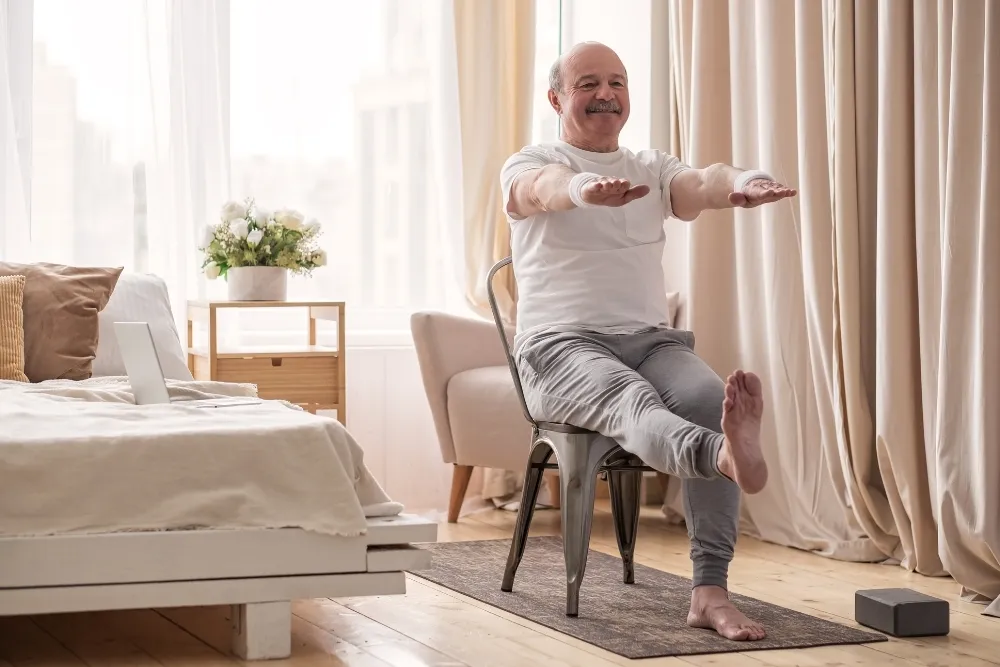
These specially designed exercises are essential for maintaining mental acuity and promoting a sense of fulfilment in aging adults.
Benefits of cognitive fitness programs in aged care
- These programmes are tailored for ageing adults, considering our unique needs and challenges. They focus on memory improvement, problem-solving skills, and attention spans.
- We engage in brain training exercises that stimulate cognitive function. Activities like puzzles and memory games not only entertain us but also keep our brains active.
- Regular participation in these programmes can lead to a reduction in the risk of cognitive decline. We’re better equipped to preserve our mental faculties for longer periods.
- For those among us facing dementia, cognitive fitness activities provide non-invasive ways to manage symptoms. This makes daily life more manageable and enjoyable.
- Emotional well-being receives a boost from the sense of accomplishment we gain after completing cognitive tasks. It’s always rewarding to conquer a new challenge!
- Socialisation opportunities arise during group activities within these programmes. We get to connect with peers, fostering friendships that enrich our social lives.
- Our self-esteem gets a lift when we notice improvements in our mental abilities. Each success is a testament to our capabilities despite the challenges of ageing or disability.
- Physical activity often goes hand-in-hand with cognitive exercises, promoting overall health. Even gentle movements can make a big difference in how we feel physically and mentally.
- Cognitive fitness routines introduce variety into our daily schedule, combating boredom and lethargy. A stimulated mind leads to more fulfilling days at every stage of life.
Specifically designed for seniors
Tailored to meet the unique needs of aging adults, cognitive fitness programs are specifically designed for seniors. These programs focus on stimulating mental faculties through activities and exercises that cater to the cognitive abilities of older individuals.
By incorporating age-appropriate challenges, such as memory games and problem-solving tasks, these programs help maintain and enhance brain health in seniors. Additionally, they provide a supportive and engaging environment for elderly participants, fostering a sense of accomplishment while promoting social interaction.
Through tailored recreational activities and brain fitness programs, aging adults can benefit from improved mental well-being. These initiatives offer opportunities for seniors to engage in physical activity while also stimulating their cognitive functions in a way that is enjoyable and rewarding.
Examples of Mental Health Exercises for Seniors
Mindfulness and meditation can help seniors reduce stress and improve mental clarity while brain-training games can stimulate cognitive function. Additionally, physical exercise is important for maintaining overall health and well-being in aging adults.
Mindfulness and meditation
When practising mindfulness and meditation, we can focus on the present moment, allowing our thoughts and feelings to pass without judgment. Engaging in these practices helps us reduce stress, improve concentration, and promote emotional well-being.
By incorporating mindfulness and meditation into our daily routine, seniors can experience a sense of calmness while enhancing their cognitive health.
Seniors benefit from engaging in regular mindfulness exercises by calming their minds and reducing anxiety levels. Meditation aids in boosting memory and increasing attention spans.
Brain-training games
After engaging in mindfulness and meditation, seniors can further nurture their cognitive fitness through brain-training games. These games are specifically designed to challenge memory, problem-solving skills, and mental agility.
Playing brain-training games regularly can help improve cognitive function and enhance memory retention. It’s a fun way for elderly individuals to keep their minds sharp while enjoying interactive challenges that stimulate the brain.
Moreover, these games also provide an opportunity for social interaction and engagement with others, fostering a sense of community among seniors.
Physical exercise
Physical exercise plays a crucial role in maintaining our overall health, including cognitive well-being. Engaging in regular physical activities such as walking, swimming, or gentle aerobics can help improve blood flow to the brain and reduce the risk of developing cognitive decline.
These exercises also have the added benefit of boosting mood and reducing stress, contributing to better mental well-being for seniors and disabled individuals.
Regular physical activity is also associated with improved sleep quality, which is essential for cognitive function. Additionally, participating in group-based exercise programs provides valuable social interaction opportunities – an important aspect of maintaining psychological well-being among older adults.

How Lifestyle Activities Can Benefit Seniors
Engaging in lifestyle activities can benefit seniors by providing social stimulation, improving emotional well-being, and enhancing physical health. These activities are essential for promoting mental wellness and cognitive function in aging adults.
Social stimulation
Participating in social activities is important for maintaining mental well-being. Engaging with others can promote a sense of belonging and reduce feelings of loneliness, contributing to overall emotional health.
Joining community groups or attending events with peers can provide opportunities for meaningful connections and enjoyable experiences, benefiting psychological well-being.
Incorporating group activities into daily routines encourages interaction and communication, which are essential for cognitive stimulation. Sharing stories, playing games, and participating in group discussions can help keep the mind active while fostering a sense of purpose and fulfilment in seniors’ lives.
Emotional well-being
Participating in cognitive fitness programs can significantly improve our emotional well-being, helping us to feel more positive and resilient. Engaging in activities like mindfulness and meditation or brain-training games can reduce feelings of anxiety and stress.
By incorporating these exercises into our routine, we can enhance our psychological well-being as we age, promoting a sense of calmness and contentment. Physical exercise also plays a crucial role in boosting our mood and releasing endorphins that contribute to a greater sense of happiness and fulfilment.
Furthermore, lifestyle activities such as social interaction are essential for maintaining emotional health by fostering connections with others and providing a support network for seniors facing mental health challenges.
Physical health
Transitioning from focusing on emotional well-being to physical health, ageing adults need to engage in regular physical activity for seniors. Engaging in exercises such as walking, yoga, or light resistance training can help improve mobility and strength, leading to a better quality of life.
Additionally, promoting physical health through activities like gardening or dancing not only supports overall well-being but also enhances social interaction, preventing feelings of isolation and promoting a sense of community amongst seniors.
Incorporating regular movement into daily routines is crucial for maintaining flexibility and preventing common age-related issues such as joint pain and muscle stiffness. By prioritising physical activity and exercise, older adults can significantly contribute to their overall health and vitality.
Incorporating Cognitive Stimulation Therapy in Aged Care
Effective brain fitness program that enhances self-esteem and cognitive function, serving as a non-medical intervention for dementia patients.
If you want to learn more about nurturing mental well-being in seniors through cognitive fitness programs, keep reading!
Effective brain fitness program
An effective brain fitness programme is crucial for maintaining mental sharpness and cognitive function as we age. Engaging in activities that challenge the brain, such as puzzles, memory games, and learning new skills, can help improve memory retention and concentration.
These programmes are specifically designed to stimulate various cognitive functions, promoting overall mental well-being and reducing the risk of dementia. By participating in regular brain fitness activities, seniors can enhance their mental agility and maintain a higher quality of life.
Incorporating a comprehensive brain fitness programme into your routine has lasting benefits for overall cognitive health. It provides an opportunity to maintain independence, stay engaged in daily activities, and preserve mental acuity well into old age.
Non-medical intervention for dementia patients
Non-medical interventions for dementia patients include activities that stimulate the mind and encourage social engagement. These interventions can involve memory games, music therapy, art classes, and other cognitive exercises designed to maintain mental acuity.
They also include programs that foster social interaction among individuals with dementia, helping them connect with others and feel a sense of belonging.
Engaging in such activities is beneficial for enhancing cognitive function, improving mood, and reducing feelings of isolation commonly experienced by those with dementia. By participating in these non-medical interventions, individuals can enjoy a higher quality of life while slowing down the progression of their condition.
Enhances self-esteem and cognitive function
Exercise and social interactions improve self-esteem. They boost confidence while engaging in activities beneficial for cognitive function. It’s important to stay active and connect with others for a positive mindset.
Engaging in mental fitness programs can help maintain sharp thinking, memory skills, and concentration as we age.
Participating in cognitive stimulation therapy provides opportunities for mental challenges, leading to improved self-worth and cognitive abilities. These programs elevate mood and overall well-being, allowing seniors to feel accomplished and mentally alert.
Nurture Your Well-Being Today
In conclusion, cognitive fitness programmes in aged care play a crucial role in nurturing the mental well-being of seniors. These programmes offer tailored exercises that benefit elderly individuals and can help prevent dementia.
Incorporating lifestyle activities such as social stimulation and physical exercise contributes to their emotional and physical health. By utilising cognitive stimulation therapy, we can effectively enhance self-esteem and cognitive function in ageing adults, and promote overall psychological well-being.