
Understanding the challenge of supporting our elderly loved ones as they age is something many of us face. It’s a familiar worry within our own family circles, and it’s what drove us to seek out meaningful solutions.
In this journey, we stumbled upon the remarkable benefits offered by pet therapy programmes. Our article delves into these initiatives, demonstrating how they can significantly enhance aged care support.
Keep reading to learn more about this heartwarming approach that has been making a real difference in the lives of many Australian families.
Key Takeaways
- Pet therapy programmes use trained animals like dogs, cats, horses, and even robotic pets to offer comfort and support to the elderly in aged care facilities.
- Engaging with therapy animals can improve seniors’ physical health by increasing mobility and reducing blood pressure, while also boosting their mental well-being by lessening feelings of loneliness and depression.
- Different types of pet therapy cater to various needs; for example, dogs encourage social interaction, cats provide a calming presence, horses offer opportunities for physical engagement, and robotic pets are an easy-care option for companionship.
- These therapeutic interactions enrich the lives of elderly individuals by promoting increased physical activity, enhancing emotional connections with animal companions, and improving the overall quality of life within care settings.
- Incorporating pet therapy into aged care supports holistic health approaches by addressing both emotional needs through companionship and physical well-being through gentle activities.
What is Pet Therapy?
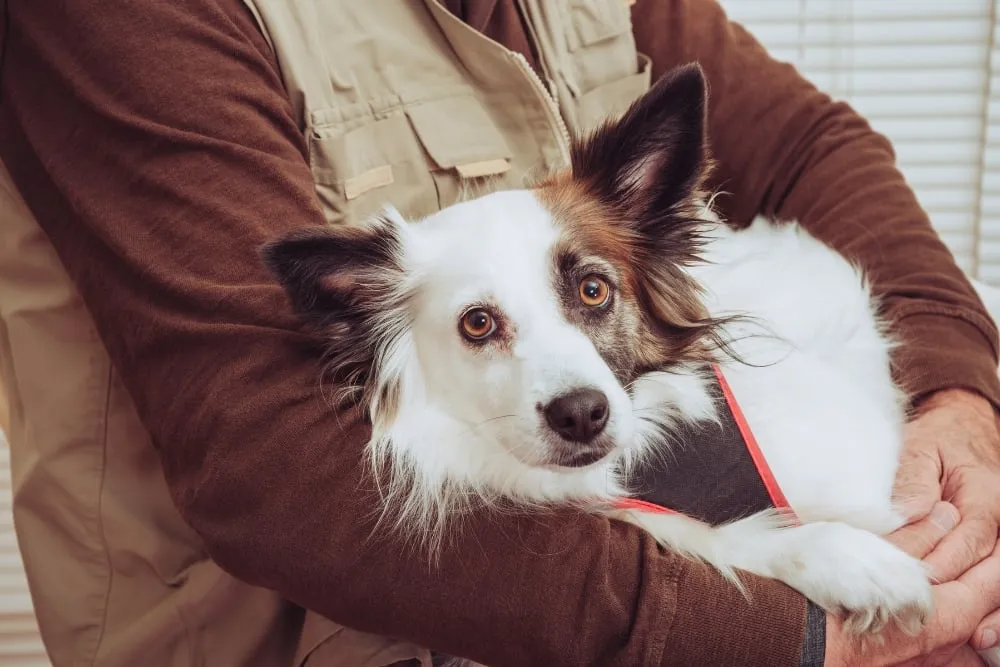
Pet therapy involves trained animals providing comfort and support to people in need. This form of therapy has been shown to have positive effects on the physical, mental, and emotional well-being of individuals.
Definition and purpose
Pet therapy programmes, also known as animal-assisted therapy, provide support for elderly and disabled individuals through interactions with animals. These programmes aim to improve physical, mental, and emotional well-being in aged care facilities and senior living environments.
We recognise the unique comfort and joy that companion animals bring into our lives. By incorporating pets into therapeutic activities, we enhance aged care support services, making a positive impact on the quality of life for our seniors.
Our purpose is clear: to offer animal companionship as an integral part of elderly care programmes. Through pet visits for seniors or therapy dogs in aged care facilities, we strive to foster meaningful connections between people and pets.
These interactions not only bring smiles but also contribute significantly to the health and happiness of older adults. By embracing pet-assisted therapy for the elderly, we provide compassionate support that goes beyond traditional aged care support services.
Types of Pet Therapy Programmes
There are various types of pet therapy programmes that can benefit the elderly and disabled.
Dogs
Pet therapy programmes often involve the use of dogs to provide comfort and support to seniors. Trained therapy dogs are well known for their ability to lift spirits, reduce stress, and increase social interaction among the elderly.
Their friendly nature and unconditional love can help bring joy and companionship into the lives of older adults.
In addition to providing emotional support, therapy dogs also offer physical benefits by encouraging movement through walks or playtime. Interacting with these furry companions can improve mobility as well as overall mental well-being.
Cats
Cats can also be valuable companions in pet therapy programmes for the elderly. They provide comfort, warmth, and a sense of calm to seniors who may benefit from their soothing presence.
Interacting with cats has been shown to reduce stress and anxiety while promoting relaxation and contentment. Their independent nature allows them to forge deep connections with residents, providing emotional support that contributes positively to their overall well-being.
Elderly individuals often find joy in stroking a cat’s soft fur, hearing its gentle purring, or engaging in simple play activities. These interactions can help alleviate feelings of loneliness and depression among seniors, fostering a sense of purpose and companionship.
Horses
Horses are part of animal-assisted therapy programmes for elderly individuals. They offer physical, emotional, and mental benefits through activities such as grooming and horseback riding.
Interaction with horses can help improve balance, coordination, and muscle strength while providing a sense of purpose and companionship.
Additionally, spending time with horses can reduce stress and anxiety levels in seniors. Their gentle nature creates a calming environment that promotes emotional well-being, making them valuable companions for the elderly in aged care facilities.
Robotic pets
Robotic pets offer companionship and comfort to elderly individuals who may not be able to care for a real animal. The lifelike movements and interactive features of robotic pets provide a sense of joy and connection, promoting mental and emotional well-being.
They can also serve as a source of entertainment, reducing feelings of loneliness in seniors. Robotic pets are designed to deliver the benefits of pet therapy without the need for extensive care or maintenance, making them a convenient option for aged care support.
Moving on from the benefits of robotic pets, let’s explore how they have been incorporated into pet therapy programmes for seniors.
Benefits of Pet Therapy for the Elderly
Pet therapy provides physical, mental, and emotional benefits for elderly individuals. It improves their overall quality of life and well-being.
Physical benefits
Pet therapy programmes offer a range of physical benefits for seniors, including increased mobility and improved motor skills. Engaging with therapy animals can help improve strength, balance, and coordination through activities such as walking or grooming the animals.
These interactions can also lead to reduced blood pressure and decreased levels of pain, contributing to overall physical well-being.
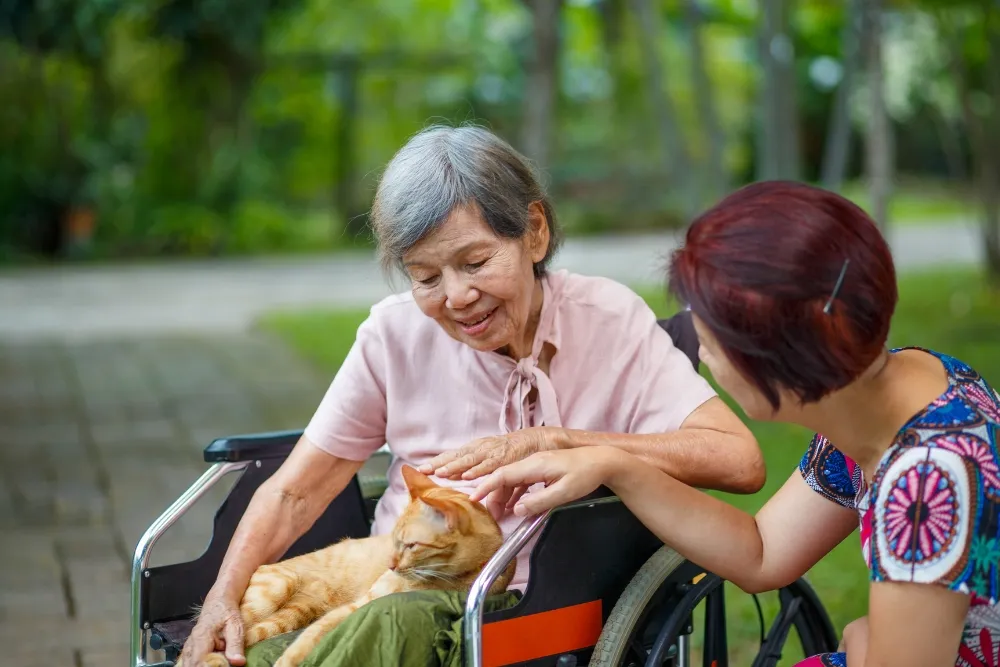
Furthermore, pet therapy has been linked to enhanced cardiovascular health among seniors, promoting better heart function and circulation. The act of petting an animal can trigger the release of endorphins, which can alleviate discomfort and provide relief from chronic conditions.
Mental and emotional benefits
Pet therapy can have a positive impact on mental and emotional well-being. Interacting with animals in elderly care facilities helps reduce feelings of loneliness and stress, promoting relaxation and a sense of companionship.
Seniors often experience an increase in happiness, improved mood, and a boost in self-esteem when engaging with therapy pets regularly. This interaction provides comfort, warmth, and a meaningful connection that contributes to an overall improvement in their emotional health.
Furthermore, spending time with therapy animals can also foster a sense of purpose and belonging among elderly individuals. The unconditional love provided by these furry companions creates joy and contentment while reducing symptoms of anxiety and depression.
Improved quality of life
Pet therapy programmes can significantly enhance the quality of life for seniors and disabled individuals. The companionship provided by therapy animals can alleviate feelings of loneliness and isolation, promoting a sense of belonging and connection within aged care facilities.
Engaging with therapy animals also encourages physical activity, as interactions such as petting or playing with the animals can improve mobility and reduce stress levels in elderly residents.
Moreover, the emotional benefits of pet therapy are noteworthy, as it often brings joy and comfort to participants, contributing positively to their overall well-being.
Furthermore, pet therapy has been reported to contribute to reduced anxiety levels among older adults, providing them with a sense of calmness and relaxation. These interactions have also been shown to stimulate social interaction amongst residents, fostering an environment that promotes communication and engagement.
Incorporating Pet Therapy into Aged Care Support
Introducing pet therapy into aged care support can provide numerous benefits to residents, enhancing their emotional well-being and overall quality of life. For more details about the positive impact of pet therapy on elderly care, keep reading.
Visiting pets in aged care homes
Animal companionship in aged care homes can provide a sense of joy, comfort, and purpose for senior residents. Here are some ways that visiting pets can enhance the support provided to elderly individuals:
- Interaction with therapy dogs offers emotional support and encourages social engagement among residents, providing a sense of companionship.
- Cats can offer relaxation and sensory stimulation through their soft fur and calming presence, reducing stress and anxiety levels for seniors.
- Equine-assisted therapy involving horses allows seniors to engage in gentle physical activities such as grooming or walking alongside the animals, promoting mobility and muscle strength.
- Robotic pets provide a low-maintenance alternative for seniors who may be unable to interact with live animals but still benefit from the therapeutic effects of animal companionship.
Benefits for residents
Pet therapy programmes provide numerous benefits for residents of aged care homes. Seniors benefit from increased physical activity and improved mobility by engaging with therapy animals, such as dogs, cats, or robotic pets.
The mental and emotional well-being of residents is also positively impacted through the companionship of therapy animals, reducing feelings of loneliness and depression. Furthermore, pet therapy enhances the overall quality of life for seniors by promoting social interaction and creating a sense of purpose and joy in their daily lives.
These benefits contribute to a more fulfilling and enjoyable experience for elderly individuals in aged care facilities.
Incorporating pet therapy into aged care support not only stimulates physical activity but also facilitates mental stimulation for seniors. Interacting with animals can help residents feel more connected to their surroundings while providing an avenue for expressing emotions freely.
Personal care goals
Aiming to maintain independence and improve daily function, our personal care goals focus on enhancing mobility, promoting self-care activities, and supporting emotional well-being.
We prioritise tailoring exercises to enhance strength and flexibility while also providing support for activities of daily living. Our approach emphasises companionship through interaction with therapy animals, promoting a sense of purpose and reducing feelings of loneliness.
Addressing the holistic needs of individuals in aged care support is vital. By incorporating pet therapy into our programmes, we can actively engage residents in physical activities while fostering emotional connections with animal companions.
This integrated approach underpins our commitment to enriching the lives of seniors through meaningful interactions and personalised support.
Embrace Pet Therapy Programmes
Enriching the lives of seniors through pet therapy is a rewarding and heartwarming experience. Incorporating animal companionship into aged care support can significantly improve physical, mental, and emotional well-being.
The sheer joy and comfort that therapy animals bring to elderly residents cannot be overstated. Contact us and implement pet therapy programmes in aged care facilities, which pave the way for a more fulfilling and meaningful life for our beloved seniors.