
Promoting healthy lifestyles is vital for everyone, but it’s especially important for people with disabilities who often face additional barriers to achieving wellness. With the right support, guidance, and resources, individuals with disabilities can enjoy healthier, happier lives, and greater independence.
Creating a supportive environment begins by acknowledging that every person has unique abilities, preferences, and challenges. Tailored approaches to healthy living that consider these individual differences can significantly improve outcomes. For example, adapting physical activities to suit various mobility levels or providing accessible cooking classes helps empower individuals to take charge of their health.
Regular Activities
Regular physical activity is one of the cornerstones of a healthy lifestyle, yet people with disabilities frequently encounter obstacles in accessing suitable exercise programs. Communities can address this by offering inclusive fitness classes designed for diverse needs. Activities such as adaptive yoga, swimming, wheelchair sports, and guided strength training programs allow people with disabilities to engage in enjoyable, effective exercise.
What to Eat
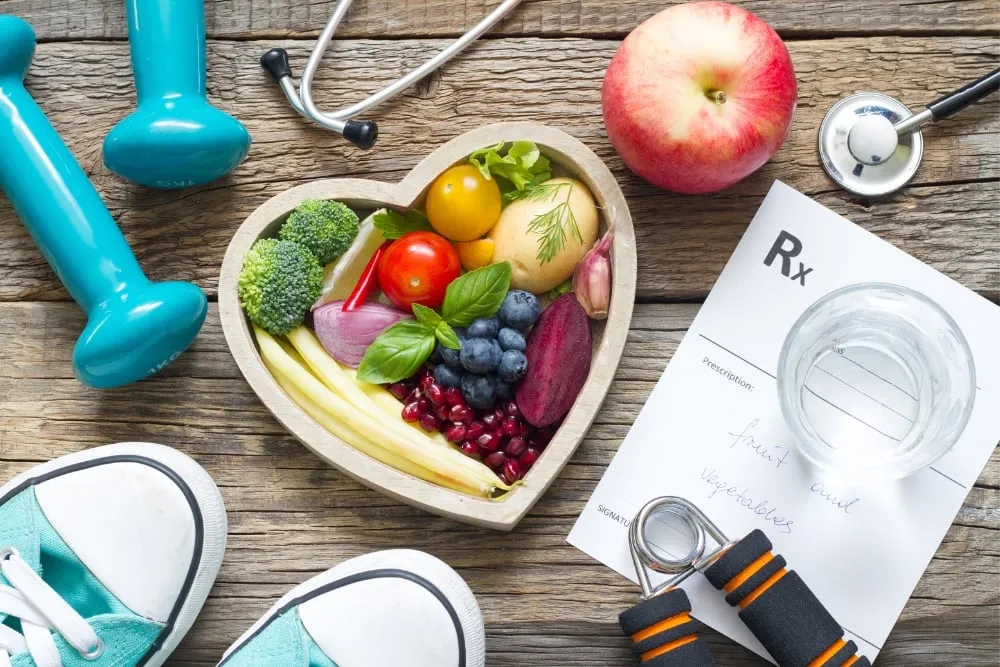
Nutrition is another crucial aspect. Many people with disabilities may have specific dietary requirements or face challenges related to meal preparation and eating independently. Accessible cooking workshops and nutrition education can be highly beneficial.
Practical sessions that teach easy-to-follow recipes, meal planning strategies, and simple cooking techniques help foster nutritional independence. Providing guidance tailored to dietary needs ensures individuals gain skills they can confidently apply at home.
Mental Health Support
Mental health also plays a significant role in promoting overall wellness. People with disabilities may experience increased feelings of isolation or stress due to societal barriers or limited social interactions.
Encouraging participation in community events, social clubs, or recreational activities can help combat isolation and improve mental well-being. Peer support groups and mental health services specifically designed for people with disabilities offer safe spaces to share experiences, discuss concerns, and build supportive relationships.
Accessibility
Creating accessible environments is essential. Public spaces, fitness centres, parks, and community centres should be designed or adapted with universal access in mind. Installing ramps, accessible restrooms, clear signage, and providing assistive equipment ensures that everyone can comfortably participate in community life. Additionally, training staff and volunteers on inclusivity and disability awareness, helps foster welcoming environments where all community members feel valued and supported.
Education for All
Education and awareness play significant roles in promoting healthy lifestyles for individuals with disabilities. Families, caregivers, support workers, and community members should be equipped with resources and knowledge on best practices for supporting individuals’ health goals. Workshops, informational seminars, and easy-to-understand resources can greatly enhance this knowledge base, ensuring that support networks are well-informed and effective.
Where to Find Support
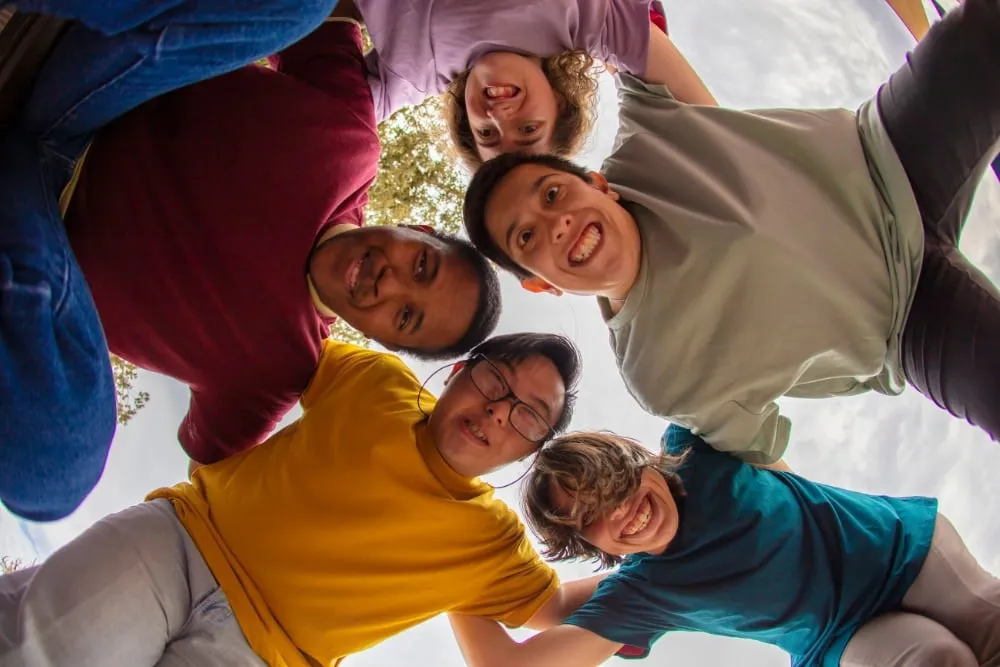
Organisations like ConnectAbility Australia play a vital role by offering tailored programs and services designed specifically for people with disabilities. ConnectAbility provides opportunities for meaningful community participation, physical activities, social interaction, and practical life skills training. Their holistic approach ensures that individuals with disabilities can lead fulfilling lives, enriched by improved health and well-being.
Ultimately, promoting healthy lifestyles for people with disabilities is about empowerment, inclusivity, and support. By addressing physical, nutritional, mental, and social aspects comprehensively, communities can significantly enhance the quality of life for people living with disabilities. It’s a collaborative effort involving individuals, families, carers, healthcare providers, and community organisations working together toward shared goals. Healthy living for people with disabilities isn’t just possible, it’s essential. With supportive communities, inclusive programs, and accessible environments, we can ensure everyone can thrive and live life to the fullest.