
Navigating the path to independence in supported living can be a bit of a sticky wicket at times. We know the feeling all too well, having walked that road ourselves. Along our journey, we stumbled upon something truly special: community gardens.
Our yarn today is about how these lush green patches are not just about growing plants; they’re a fertile ground for personal development and stitching stronger bonds within our communities, making a world of difference for folks with disabilities and our treasured seniors.
So, have a squiz and find yourself wrapped up in stories of resilience and companionship. Cheers to finding hope blooming in the most unexpected places.
Key Takeaways
- Community gardens help people in supported living become more independent by letting them grow their own food, which boosts their physical and emotional well-being.
- These gardens create a strong community feeling, making everyone feel included and valued, especially disabled individuals and senior citizens who may often feel isolated.
- Taking part in gardening activities improves mental health by reducing stress and increasing happiness. It’s also great for physical health through exercise, which prevents chronic diseases.
- Gardens in social housing areas tackle the problem of not having enough fresh produce available. They provide healthy food options right where people live.
- Future research should look into how technology can make gardening more accessible for everyone and find ways to strengthen connections between different generations within these community spaces.
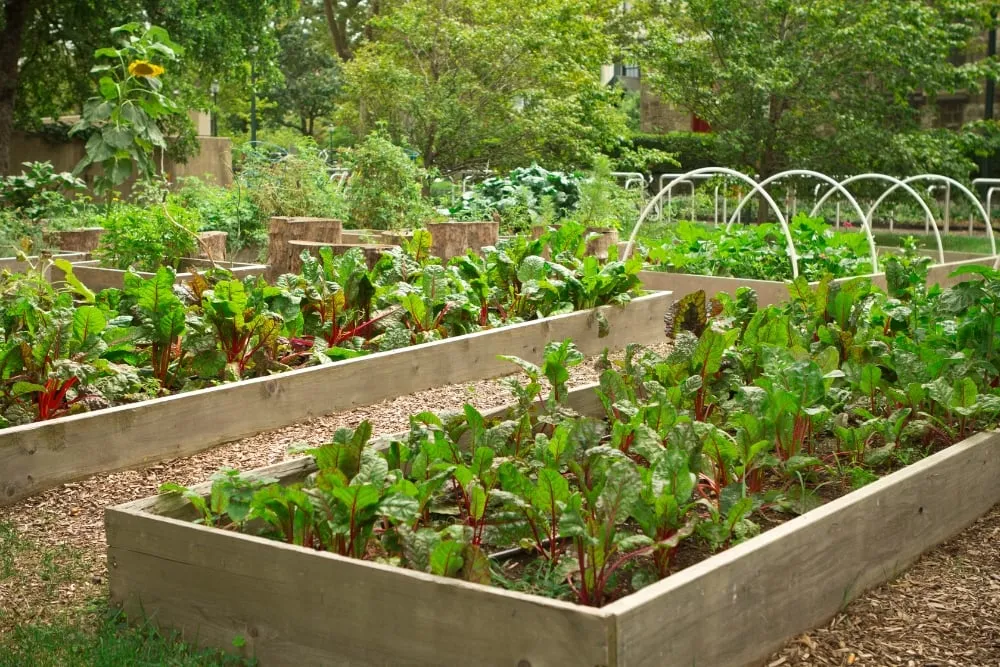
Benefits of Community Gardening for Social Housing Residents
Community gardening in social housing promotes improved physical and mental health while fostering a sense of purpose and connection within the community. It offers residents an opportunity to actively engage with their surroundings, encouraging independence and enhancing overall well-being.
Improved physical and mental health
We all see the value in getting our hands dirty and growing our own food. Participating in community gardens offers incredible benefits for both our bodies and minds. For starters, planting, weeding, and harvesting get us moving, which increases physical activity levels.
This kind of movement helps keep our bodies strong and can reduce the risk of chronic diseases.
On the mental health front, being part of a garden provides a sense of calmness and relaxation. Engaging with nature has been shown to lower stress levels significantly. Moreover, it boosts mood by producing feelings of happiness and contentment.
For us disabled people and senior citizens living in supported accommodation or social housing, these gardens offer more than just physical exercise or fresh produce; they bring about a profound sense of well-being that comes from nurturing plants from seed to harvest.
Sense of purpose and community connection
Community gardening allows us to not only improve our physical and mental health but also fosters a sense of purpose and strengthens our connections within the community. Engaging in gardening provides a fulfilling way to contribute to the local area, promoting inclusivity and collaboration while empowering individuals with disabilities or senior citizens.
It’s an opportunity for us all to come together, share knowledge, and grow as part of a sustainable network that promotes independence and belonging.
The bond we form through working collectively towards a common goal supports personal skill development while enhancing psychosocial outcomes. When we participate in community gardening, it’s more than just planting seeds; it’s about cultivating an environment where everyone can thrive.
Evidence of Community Gardens’ Impact on Health and Well-being
Community gardens positively impact the health and well-being of people of all ages, serving as affordable and effective health promotion strategies. These gardens have been found to foster enhanced personal skills development and perceptions of improved well-being while addressing social and health inequalities within low-income neighbourhoods.
Positive outcomes for all ages
Community gardens offer a range of positive outcomes for all age groups. Engaging in gardening activities can lead to increased physical activity and improved mental well-being, contributing to overall better health.
People of all ages can benefit from the sense of community and purpose that comes with tending to a garden, fostering a greater connection with others in their local area. Additionally, community gardens often provide affordable access to fresh produce, promoting healthy eating habits for people of all backgrounds.
Gardening also serves as an educational tool for children and young adults, teaching valuable skills such as responsibility and patience while nurturing plant life. For older individuals and seniors, participation in community gardens can provide opportunities for social interaction and continued engagement within the broader community network.
Affordable and effective health promotion strategy
Transitioning from community garden benefits for all ages, it’s important to highlight the affordability and effectiveness of this health promotion strategy. Community gardens provide an accessible and inclusive approach to improving physical and mental well-being by encouraging fruit and vegetable intake, which is particularly beneficial in low-income neighbourhoods.
The environmental impact of community gardens also underpins their role as a cost-effective strategy that promotes empowerment and inclusion within our local learning environments.
Community Gardens as Local Learning Environments
Community gardens serve as valuable educational spaces, providing hands-on learning experiences that promote practical skills and environmental awareness. Their interactive nature fosters a deeper understanding of sustainable practices and cultivates a sense of responsibility towards the local ecosystem.
Perceptions of enhanced well-being
Community gardens are seen as spaces that provide a sense of calm and relaxation, offering relief from stress and anxiety. Participants find that being in the garden helps them feel more connected to nature, leading to an improved sense of overall well-being.
The beauty of the natural environment within community gardens promotes a feeling of peacefulness and tranquility for visitors.
Engaging in gardening activities also fosters a sense of achievement and purpose, contributing to increased self-esteem and confidence among individuals involved in nurturing plants.
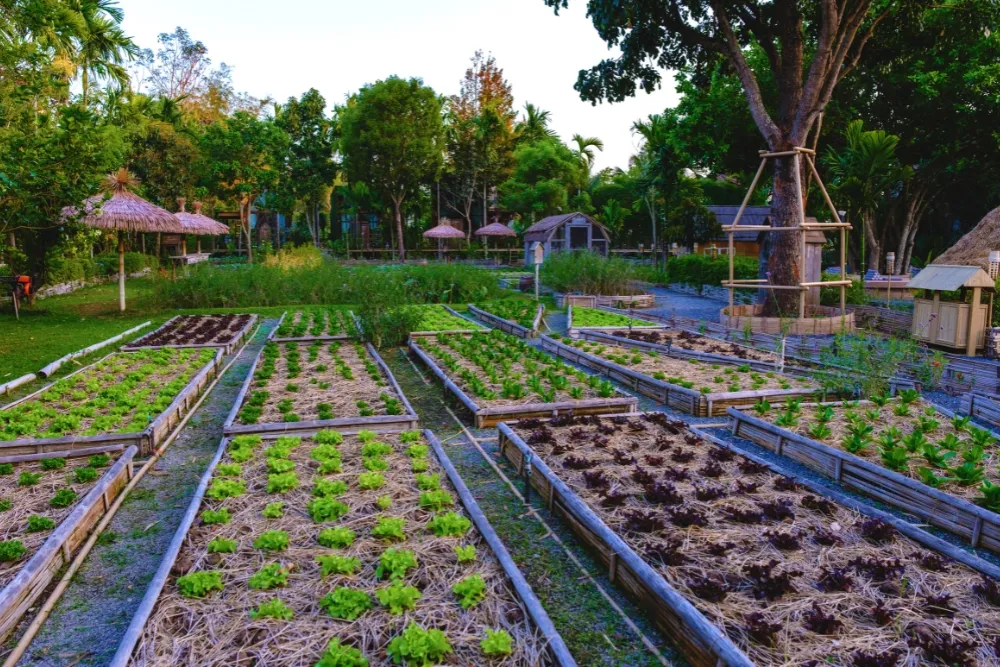
People using the space feel empowered by their ability to contribute positively to their environment through cultivation and care, which has shown positive effects on mental well-being.
Addressing social and health inequalities
Addressing social and health inequalities is crucial to ensuring that everyone has access to the same opportunities for well-being and healthcare. Community gardens play a vital role in this by providing a platform for residents of low-income neighbourhoods to foster a sense of community, improve physical and mental health, and address food insecurity.
These gardens offer a space where disadvantaged groups can actively participate in growing their own produce, promoting self-sufficiency while also creating an environment that encourages social interaction and support.
Furthermore, community gardens contribute to addressing environmental benefits through sustainable practices that involve disabled people and senior citizens alike. By engaging with these spaces, they have the opportunity to take control of their own health outcomes while contributing positively to their communities.
Community Gardens in Supported Living
Community gardens in supported living promote independence and empower disadvantaged groups. They impact food insecurity, fostering a sense of purpose and belonging, particularly among residents in low-income neighbourhoods.
How community gardens promote independence
Community gardens promote independence by providing an opportunity for individuals to cultivate their own food, fostering a sense of self-sufficiency and empowerment. The act of gardening allows residents in supported living to engage in meaningful physical activity, contributing to improved physical health.
This autonomy in growing and harvesting produce can lead to a greater sense of personal accomplishment and resilience, enhancing emotional well-being. Additionally, participating in community gardens enables individuals with disabilities and senior citizens to develop essential skills while fostering a sense of contribution within the local neighbourhood.
As we venture into community gardening, the experience enhances our ability to take charge of our daily lives, promoting independence and self-reliance. By nurturing plants and producing fresh fruits and vegetables independently or with assistance from others, we gain confidence in our capabilities while contributing towards sustainable living practices that benefit ourselves as well as the broader community.
Impact on disadvantaged groups in social housing
People in social housing face unique challenges, including limited access to fresh and affordable food. Community gardens can make a significant difference by providing a source of nutritious produce right in the neighbourhood.
For individuals with disabilities or senior citizens living on fixed incomes, community gardens offer an opportunity to take part in growing their own food, promoting independence and self-sufficiency.
This not only helps address food insecurity but also fosters a sense of empowerment and pride within the community.
Role in addressing food insecurity
Community gardens play a vital role in addressing food insecurity by providing access to fresh produce for people living in supported housing. These gardens offer a sustainable source of nutritious fruits and vegetables, promoting healthier eating habits and reducing reliance on expensive store-bought options.
By actively participating in cultivating crops, individuals can take charge of their nutritional needs, enhancing self-sufficiency and contributing to overall well-being.
Furthermore, community gardens foster a sense of empowerment, as residents have a hands-on role in producing food for themselves and their community. This involvement not only addresses immediate food insecurities but also creates opportunities for skill development and social interaction within the local neighbourhood.
Moving forward, exploring strategies to expand access to community garden initiatives can significantly impact the lives of individuals facing food insecurity issues while residing in supportive housing.
Recommendations for future research
To continue improving the impact of community gardening on independence and well-being, future research could focus on:
- Investigating the specific impacts of community gardening on mental health among disabled individuals and senior citizens, including stress reduction, improved mood, and overall psychological well-being.
- Exploring the potential for integrating technology into community gardening initiatives to enhance accessibility and participation for individuals with mobility or sensory impairments.
- Examining the long-term effects of regular participation in community gardening on physical health outcomes such as cardiovascular health, mobility, and chronic pain management for individuals with disabilities or age-related health challenges.
- Assessing the influence of community gardening programmes on social inclusion and sense of belonging among marginalised groups within supported living environments.
- Identifying effective strategies for promoting intergenerational connections through community garden initiatives between seniors and individuals with disabilities fosters mutual support and knowledge exchange.
Promote Independence and Well-Being with Community Gardens
Community gardens play a significant role in promoting independence and well-being for residents living in supported housing. These spaces offer opportunities for individuals to engage in meaningful activities, fostering a sense of purpose and enhancing physical health.
Community gardens also provide a platform for social interaction, contributing to a greater sense of belonging within the neighbourhood. The impact of community gardening on disadvantaged groups, such as disabled individuals and senior citizens, underscores the importance of these initiatives in addressing food insecurity and promoting independence within social housing communities. Get in touch with us to explore how community gardens can empower supported living environments and foster greater independence.