
Navigating the maze of support for people with disabilities can be a real challenge. Trust us, we’ve walked that path alongside many others. Did you know one in five Aussies lives with some form of disability? That fact alone drove us to dig deeper, seeking solutions.
In this blog, we’re going to delve into how the integration of robotics is opening up exciting new avenues for independence and enhancing the quality of life for those who need it most.
Join us on this journey as we uncover how technology is truly transforming lives for the better.
Key Takeaways
- Robotics integration offers life-changing support for people with disabilities, improving daily tasks like meal prep and aiding communication and mobility through advanced technology.
- By participating in design workshops, individuals with disabilities can directly influence the creation of assistive robots, ensuring these tools are truly suited to their unique needs.
- Research in robotics focuses on making everyday life easier and more dignified for those with disabilities by developing custom solutions that boost independence.
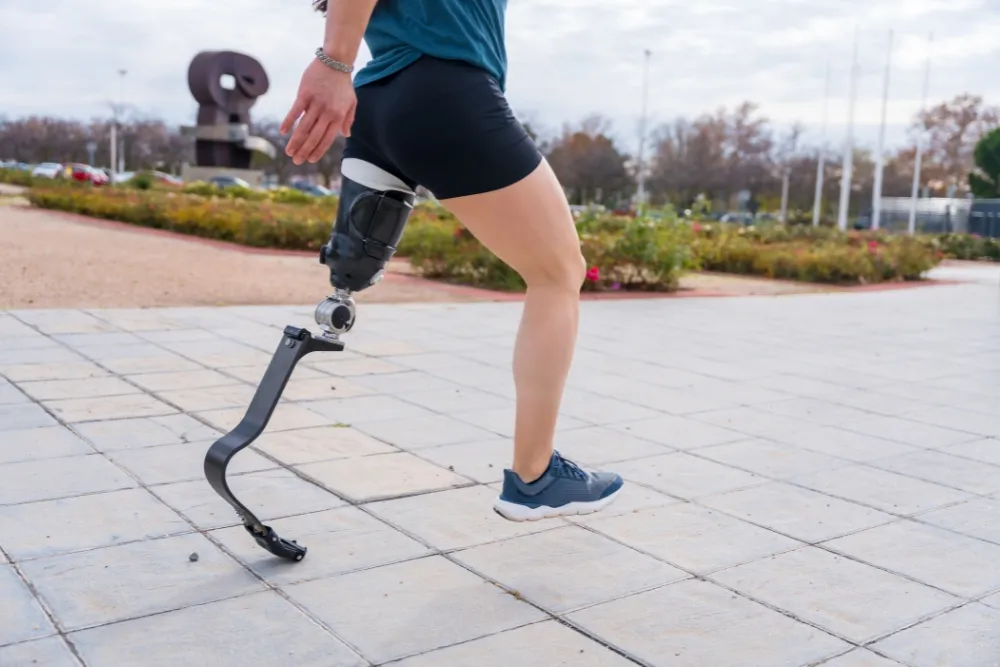
How Robotics Can Improve Access to Rights for People with Disabilities
Inclusive robotics for disability support preserves dignity and enhances access to rights for people with disabilities. The integration of robotics provides numerous benefits in improving the overall quality of life and independence for individuals with disabilities.
Inclusive robotics for disability support and dignity preservation
We’re seeing a fantastic wave of technological innovation that’s bringing robotics integration for disability support into the limelight. These assistive robots are not just tools; they’re partners in preserving dignity and enhancing independence for people with disabilities.
Imagine having a robot that can help with daily tasks, from getting dressed to preparing meals, all designed with inclusivity in mind. This isn’t a distant dream but an evolving reality as robotics technology for disability inclusion becomes more advanced.
Our journey towards empowering individuals with disabilities through robotics is marked by remarkable strides in adaptive equipment and mobility solutions. Robots today can adapt to various needs, offering personalised assistance that respects the user’s autonomy and preferences.
By focusing on accessibility from the ground up, these robots ensure everyone has equal access to empowerment and support, making independent living not just possible but also enriching.
Benefits of robotics integration
Robotics integration brings numerous advantages to disability services, providing greater independence and support for individuals with disabilities. Here are the benefits of robotics integration:
- Assistive robots can help with daily tasks such as meal preparation, medication reminders, and household chores, enabling greater autonomy.
- Advanced AI technology in robotics can enhance communication for those with speech or language difficulties, facilitating better interaction and connection with others.
- Robotics aids in improving mobility through innovative devices such as exoskeletons and robotic wheelchairs, promoting greater freedom of movement.
- Autonomous robots can assist in health and wellness monitoring, ensuring timely medical assistance, and promoting overall well-being.
- Inclusive robotics design ensures that individuals with disabilities have access to tailor-made solutions that cater to their specific needs and preferences.
- Robotics integration fosters a sense of empowerment and dignity by providing personalised support tailored to individual requirements.
Innovative Research in Robotics for Disability Services
Innovative research in robotics for disability services explores co-creation methods and thematic engagement in workshops. The aim is to design inclusive robotics that cater to the specific needs of individuals with disabilities, empowering them to live more independently and with greater dignity.
Co-creation methods for inclusive design
We can collaborate with designers and researchers to create products that meet our specific needs.
- Participating in design workshops allows us to share our experiences and insights directly with the creators.
- These methods involve working together to ensure that the final product is tailored to our unique requirements.
- By engaging in co-creation, we can influence the development of assistive robots and technology that genuinely cater to our individual needs.
Thematic engagement in research workshops
Engaging in themed research workshops helps us focus on specific areas of interest, such as accessibility and usability for individuals with disabilities. Researchers collaborate to explore and address challenges faced by disabled people, ensuring that new robotics designs meet diverse needs.
With an inclusive approach, these workshops allow us to co-create innovative solutions that promote independence, empowerment, and an enhanced quality of life for individuals with disabilities.
By participating in these workshops, we actively contribute to shaping the future of robotics integration for disability services.
In research workshops dedicated to thematic engagement, we work together to ensure that the unique requirements of disabled individuals are at the forefront of robotics design and development.
This collective effort enables us to break down barriers and create more effective robotic assistance tailored specifically to the needs of those living with disabilities or age-related limitations.
The Role of AI Robots in NDIS
AI robots play a pivotal role in NDIS by empowering individuals with disabilities in key areas such as communication, health and wellness, and mobility. These innovative technologies enhance independent living while providing significant support to individuals with special needs.
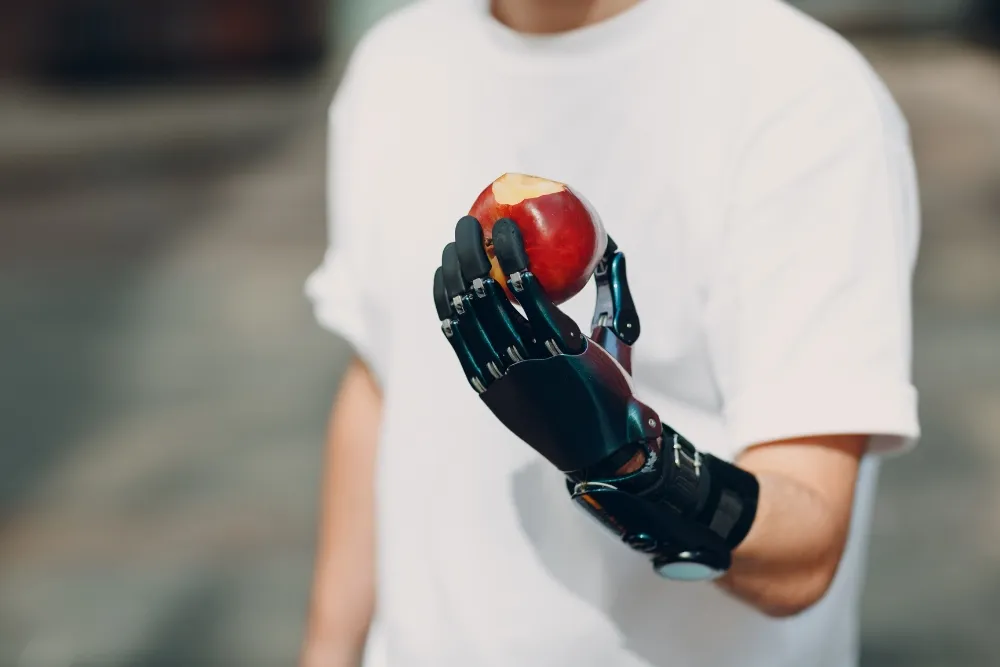
Empowering individuals with disabilities
We aim to empower individuals with disabilities through the integration of robotics and AI technology. These innovative tools provide invaluable support in key areas such as communication, health and wellness, and mobility.
By leveraging assistive robots, people with disabilities can achieve greater independence and access to essential services that enhance their quality of life.
Our focus is on creating inclusive robotics designs specifically tailored to meet the needs of individuals with disabilities. With a commitment to autonomy and dignity preservation, these advancements in robotic assistance are revolutionising disability empowerment by providing accessible support for independent living aids and special needs services.
Key areas of impact: communication, health and wellness, mobility
AI robots can enhance communication, improve health and wellness, and enable increased mobility for individuals with disabilities.
- AI technology enables better communication through speech recognition and language translation, allowing people with disabilities to communicate more easily with others.
- Robots can assist with health and wellness by reminding individuals to take medication, providing physical support for daily activities, and monitoring vital signs to ensure well-being.
- Autonomous robots can offer increased mobility by providing physical assistance or guidance, helping users navigate their surroundings safely and independently.
Moving Forward with Robotics Integration in Disability Services
We can all contribute to the advancement of robotics in disability services by sharing our experiences and needs. This input helps create robots that truly meet our requirements and enhance our lives.
By engaging in workshops and research activities, we can ensure that robotic technology aligns with our unique challenges, making a genuine difference.
As we move forward, let’s stay abreast of technological developments and advocate for inclusive designs that cater to diverse disabilities. This ensures service robots are tailored to assist us effectively in areas such as communication, health management, and mobility.
Together, we can drive innovation to empower individuals with disabilities through cutting-edge robotics integration.
Embrace Enhanced Disability Services
As we explore the immense potential of robotics in disability services, it is clear that inclusive design and AI technology can significantly enhance the lives of individuals with disabilities.
Empowering people through assistive robotics not only improves access to rights but also promotes dignity and independence. The ongoing innovation in robotics holds promise for a future where disabled individuals have access to tailored support, improved communication, enhanced health and wellness solutions, and greater mobility.
Robotic integration has the power to create a more inclusive and empowering environment for people with disabilities while fostering independence and autonomy. Contact us to explore how our robotics integration revolutionises disability services, enhancing independence and accessibility for all.