
Technology is transforming disability support services across Australia, empowering individuals with greater independence, safety, and connection. From smart home devices to AI-driven communication tools, these innovations are reshaping how support is delivered and experienced.
Smart Homes
Smart home technology is making everyday tasks more accessible. Voice-activated assistants like Alexa and Google Home allow users to control lights, appliances, and thermostats with simple commands. Automated systems can also provide medication reminders, monitor movement to prevent falls, and alert caregivers in emergencies. These tools enable individuals with disabilities to manage their environments more independently and confidently.
AI-Powered Communication Tools
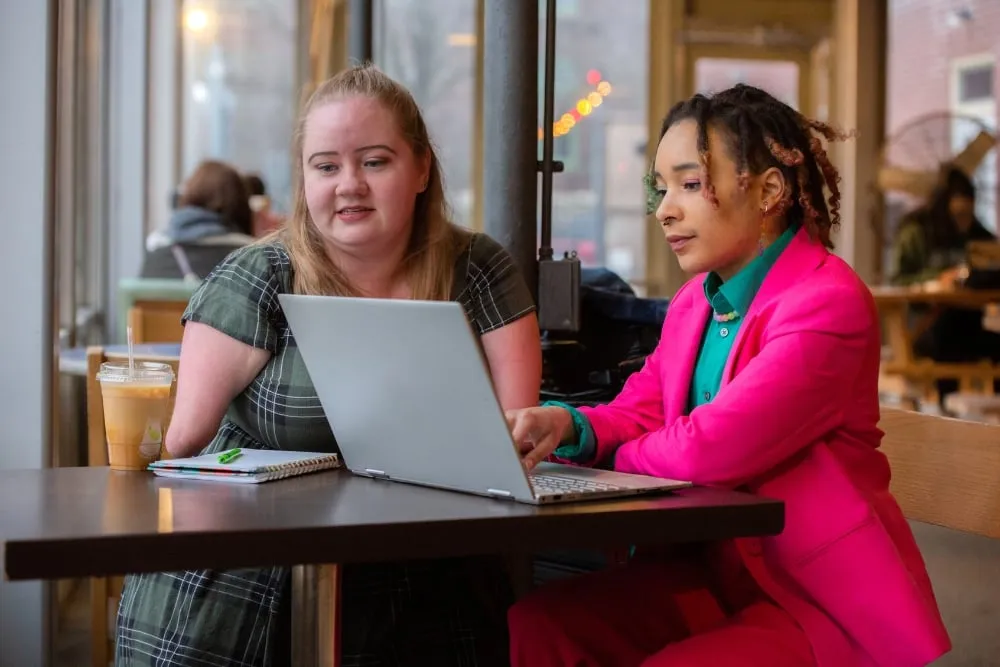
Artificial intelligence is revolutionising communication for people with speech or hearing impairments. Apps like Ava transcribe conversations in real-time, facilitating group discussions for those who are deaf or hard of hearing. AI-driven lip-reading software assists individuals who have lost their voice, translating mouth movements into text or speech. These technologies bridge communication gaps, fostering inclusion in social and professional settings.
Wearable Health Monitors
Wearable devices are providing real-time health monitoring, crucial for individuals with chronic conditions or mobility challenges. Smartwatches and fitness trackers can monitor heart rate, sleep patterns, and physical activity, alerting users and caregivers to potential health issues. Some devices are equipped with fall detection and emergency response features, offering peace of mind and prompt assistance when needed.
Assistive Apps and Accessibility Features
Mobile applications are expanding accessibility in various aspects of life. Navigation apps designed for wheelchair users provide information on accessible routes and facilities. Reading apps convert text to speech, aiding those with visual impairments or dyslexia. Customisable interfaces and voice control features in smartphones and tablets are making technology more user-friendly for individuals with diverse needs.
Virtual Reality in Therapy and Training
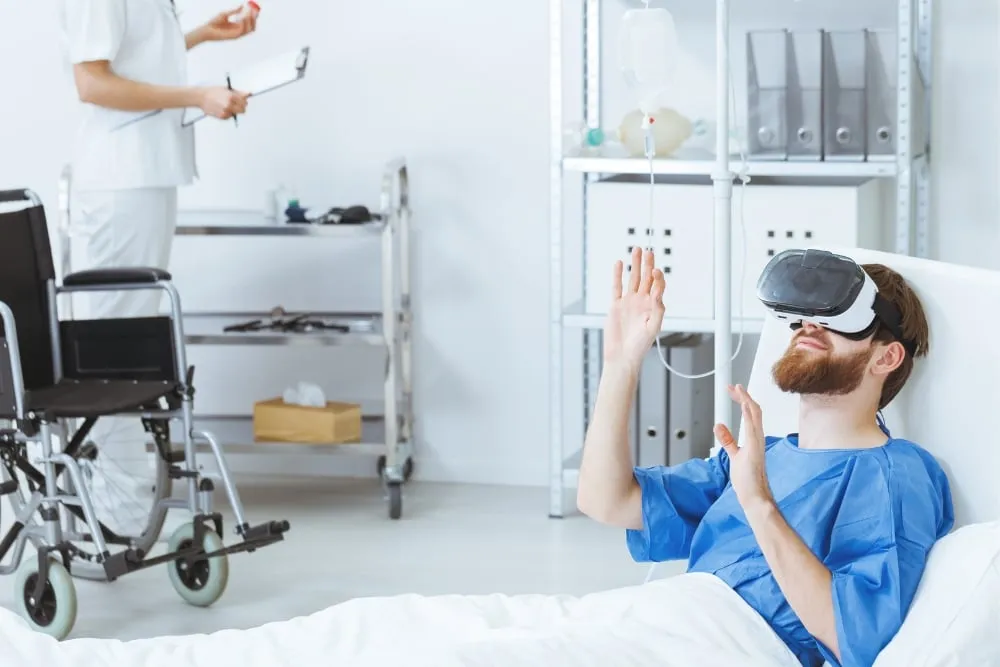
Virtual reality (VR) is emerging as a tool for therapy and skill development. VR programs can simulate real-world scenarios, helping individuals with autism or anxiety disorders practice social interactions in a controlled environment. Rehabilitation exercises delivered through VR can make physical therapy more engaging and effective. These immersive experiences support learning and recovery in innovative ways.
The Role of Organisations in Supporting Technology Integration
Organisations like ConnectAbility Australia are instrumental in integrating technology into disability support services. They provide resources, training, and personalised support plans that incorporate technological solutions tailored to individual needs. By staying abreast of technological advancements, such organisations ensure that individuals with disabilities have access to tools that enhance their quality of life.
Embracing technology in disability support services is not just about innovation; it’s about creating a more inclusive and empowering environment for everyone. As these technologies continue to evolve, they hold the promise of breaking down barriers and opening new possibilities for individuals with disabilities across Australia.