
The historical trajectory of disability services encapsulates a dynamic narrative characterised by pivotal shifts that mirror the evolution of societal attitudes, legal frameworks, and technological advancements. Each phase in this journey tells a story of adaptation and transformation, underlining the intrinsic link between the broader societal context and the manner in which individuals with disabilities are supported and integrated.
This article endeavours to delve into the multifaceted narrative of disability services, unravelling the layers of progress, setbacks, and breakthroughs that have defined its evolution. By shedding light on the key trends and innovations that have marked different eras, it seeks to contribute to a comprehensive understanding of the journey so far and lay the groundwork for fostering inclusivity and support in the future. In essence, it is an exploration that goes beyond the historical chronicle, reaching into the heart of a dynamic and ongoing dialogue about how we, as a society, can continually improve and adapt to better meet the needs of all individuals, regardless of ability.

Early Approaches to Disability Services
In the early stages, the treatment of individuals with disabilities was often characterised by segregation and limited opportunities. Charitable institutions emerged as primary providers, but their capacity to meet diverse needs was constrained. This era laid the groundwork for the subsequent transformation towards more inclusive and community-based services.
Transition to Community-Based Services
The deinstitutionalisation movement played a pivotal role in shifting away from large, isolated facilities. The rise of community-based programs and support services aimed to empower individuals with disabilities by fostering independence within their communities. This transition was a turning point in acknowledging the diverse needs and preferences of people with disabilities.
Legal Framework and Rights
Legislation has been instrumental in shaping the landscape of disability services in Australia. Key laws, including the Disability Discrimination Act 1992, have played a crucial role in promoting accessibility and preventing discrimination. These Australian legal frameworks emphasise the significance of acknowledging and safeguarding the rights of individuals with disabilities.
Technological Advancements
The advent of assistive technologies has revolutionised disability services, enhancing accessibility and improving the quality of life for many. From communication aids to mobility devices, technological innovations continue to break down barriers and create new possibilities for individuals with disabilities.
Person-Centered Approaches
A significant paradigm shift has occurred towards person-centered care. This approach emphasises tailoring services to individual needs, preferences, and goals, fostering a sense of empowerment and self-determination. By recognising the uniqueness of each person, disability services aim to enhance the overall well-being of individuals.
Inclusive Education
The evolution of disability services is intertwined with the progress of inclusive education. Moving beyond segregated classrooms, there has been a concerted effort to create inclusive environments that accommodate diverse learning needs. Successes and challenges in implementing inclusive practices contribute to ongoing discussions on improving educational opportunities for all.
Mental Health Focus
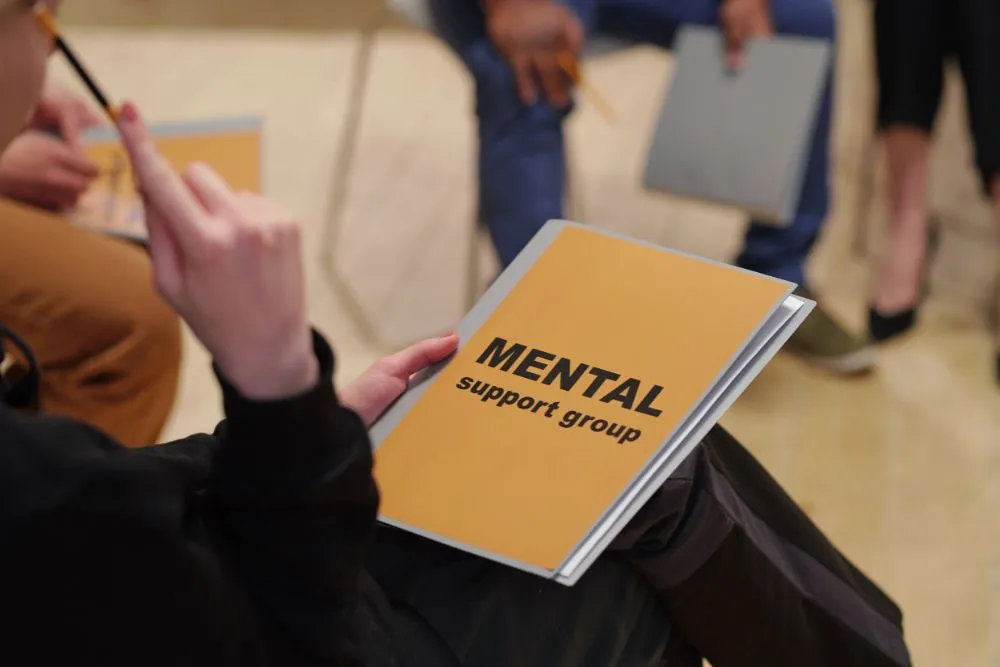
A noteworthy development in disability services is the increased recognition and integration of mental health support. Holistic approaches that address both physical and mental well-being are becoming integral to comprehensive disability services, acknowledging the interconnected nature of these aspects of health.
Cultural Competence in Disability Services
Cultural competence has emerged as a critical aspect of providing effective disability services. Recognising and respecting diverse cultural backgrounds is essential for ensuring that services are accessible and responsive to the needs of individuals from different communities.
Challenges and Future Directions
Despite significant progress, challenges persist in the disability services sector. Addressing issues of funding, accessibility, and societal attitudes remains crucial. Looking forward, emerging trends, such as the use of artificial intelligence and increased collaboration between sectors, hold promise for further innovation in disability services.

Paving the Path for an Inclusive Future
The journey of disability services stands as a testament to an unwavering dedication to enhancing the lives of individuals with disabilities. This commitment is not just a historical narrative but an ongoing endeavour that intertwines past lessons with present innovations. Through a meticulous examination of past trends and the incorporation of current advancements, we actively shape the trajectory towards a future characterised by inclusivity, accessibility, and the holistic well-being of every member of our society.