
Making Mobility Accessible
For individuals with mobility issues, getting around can be a significant challenge. Whether it’s navigating public transport or finding suitable personal transportation, accessibility is crucial for independence and quality of life. Fortunately, a variety of solutions are available to address these challenges and make mobility easier for everyone.
Understanding Mobility Issues
Mobility issues can stem from a range of conditions, including physical disabilities, chronic illnesses, or age-related impairments. These issues might affect a person’s ability to walk, use stairs, or drive. Understanding the specific needs and limitations of individuals with mobility issues is essential in finding effective transportation solutions.
Public Transport Adaptations
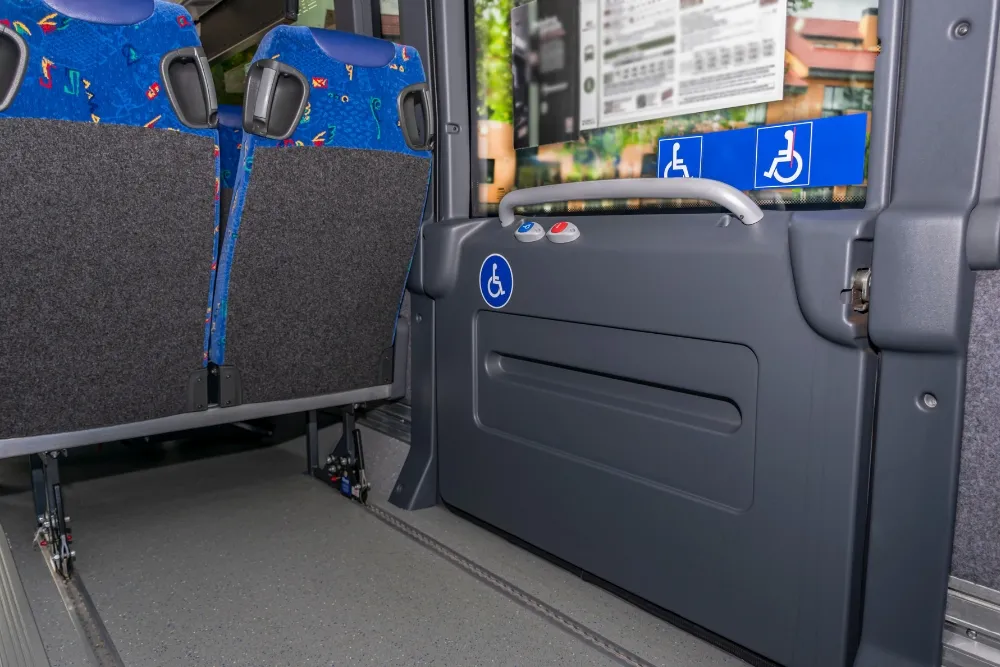
Public transportation systems are increasingly recognising the need for accessibility. Many buses and trains are now equipped with ramps, low floors, and designated seating for individuals with mobility issues. Some cities also offer paratransit services, which provide door-to-door transportation for those who cannot use regular public transit.
Accessible Vehicles
- Wheelchair-Accessible Vans: These vehicles are specially designed with ramps or lifts and ample space to accommodate wheelchairs. They offer a convenient and comfortable option for individuals who use wheelchairs or scooters.
- Adaptive Vehicles: For those who still want to drive, adaptive vehicles are modified with controls that are easier to use, such as hand controls or voice-activated systems. These modifications can make driving safer and more accessible.
- Ride-Sharing Services: Some ride-sharing companies have started offering accessible vehicle options. These services can be a flexible and convenient alternative to traditional public transport.
Customised Transportation Solutions
- Personalised Vehicle Modifications: For individuals who own a vehicle, custom modifications can be made to improve accessibility. This might include installing hand controls, swivel seats, or automatic door openers.
- Scooters and Power Chairs: Mobility scooters and power chairs are useful for short trips and can be transported in specially designed vehicles. They offer greater independence for navigating around local areas.
Planning and Coordination
Effective transportation solutions often require careful planning and coordination. Individuals with mobility issues should consider their specific needs, such as the distance of travel, frequency of trips, and the type of terrain. Planning ahead can help in choosing the most suitable transportation options.
Technology and Innovations
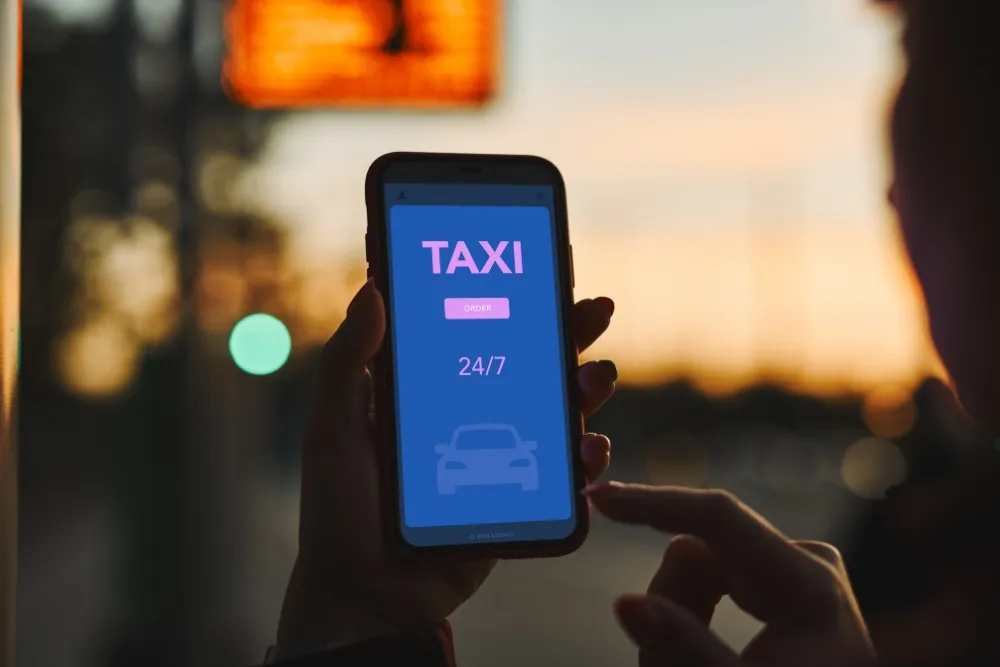
Advancements in technology are continuously improving transportation options for individuals with mobility issues. Innovations such as smartphone apps for booking accessible rides, GPS systems for navigating accessible routes, and advanced vehicle features all contribute to better mobility solutions.
Community Resources and Support
Local organisations and community groups often provide valuable resources and support for individuals with mobility issues. They may offer information on accessible transportation options, financial assistance for vehicle modifications, or volunteer-driven transport services.
Overcoming Challenges
Despite the improvements, challenges remain. Issues such as inconsistent accessibility standards, limited availability of services, and high costs can still pose barriers. Addressing these challenges requires ongoing advocacy and investment in accessible infrastructure.
Driving Towards a More Inclusive Future
Transportation solutions for individuals with mobility issues are crucial for promoting independence and accessibility. By exploring various options and leveraging technological advancements, we can work towards a future where transportation is truly inclusive and everyone can navigate the world with ease.