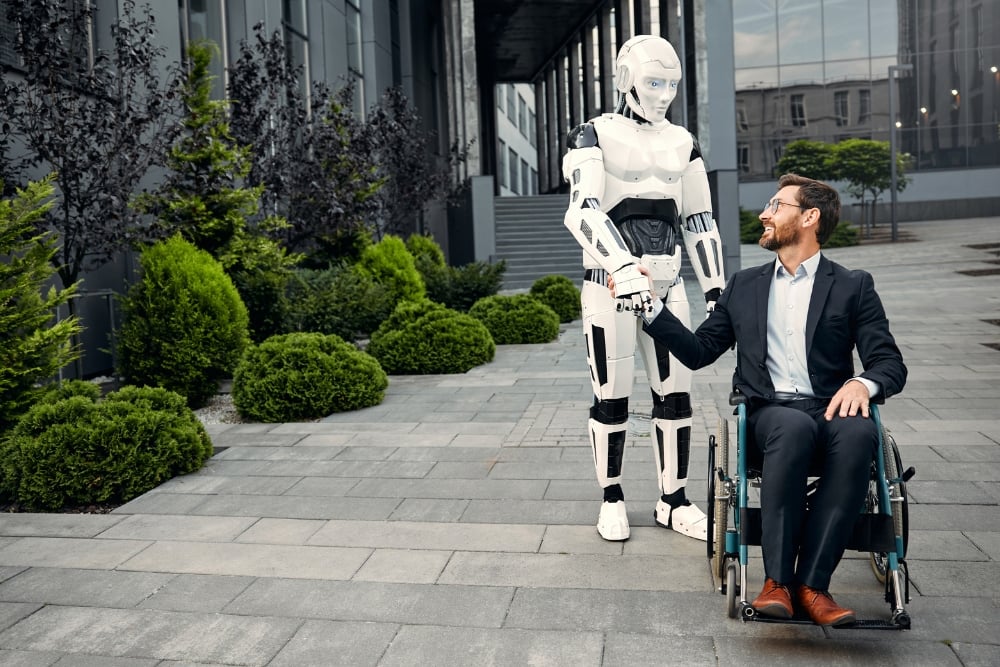
Coping with the day-to-day can be a real struggle when you’re up against physical hurdles. We truly understand, because we’ve walked that path alongside many Australians, including the nearly 20% of our mates across this wide brown land who live with some form of disability.
With that in mind, we’ve plunged into the world of assistive robotics to uncover how they might just transform your daily grind. These clever little bots aren’t merely assistants; they’re absolute game changers – ready to help turn pages in chapters of life you thought were no longer accessible to you.
Key Takeaways
- Assistive robotics are making huge strides in disability services, with innovations that promise to increase independence and improve the quality of life for nearly 20% of Australians living with disabilities.
- The market for assistive robots is set to grow significantly, potentially exceeding USD 12 Billion by 2030 due to advancements in AI technology and increased demand for home care robots.
- Wearable technologies such as exoskeletons and smart devices are enhancing accessibility and social inclusion, allowing individuals with disabilities to participate more fully in their communities.
- Customisation and user input are key components of developing effective assistive robotics, ensuring the technology addresses the varied needs of different types of disabilities.
- Overcoming financial obstacles remains critical in making these technologies widely accessible; initiatives like government support and private investment can help break down cost barriers.
What are Assistive Robotics?
Assistive robotics are advanced technology systems designed to provide support and assistance to people with disabilities. These robots aim to enhance the quality of life for individuals by aiding them in daily living activities, mobility, communication, and social interactions. This innovative technology includes a range of devices such as exoskeletons, robotic arms, smart canes, and personal care robots that cater to the various needs of disabled individuals.
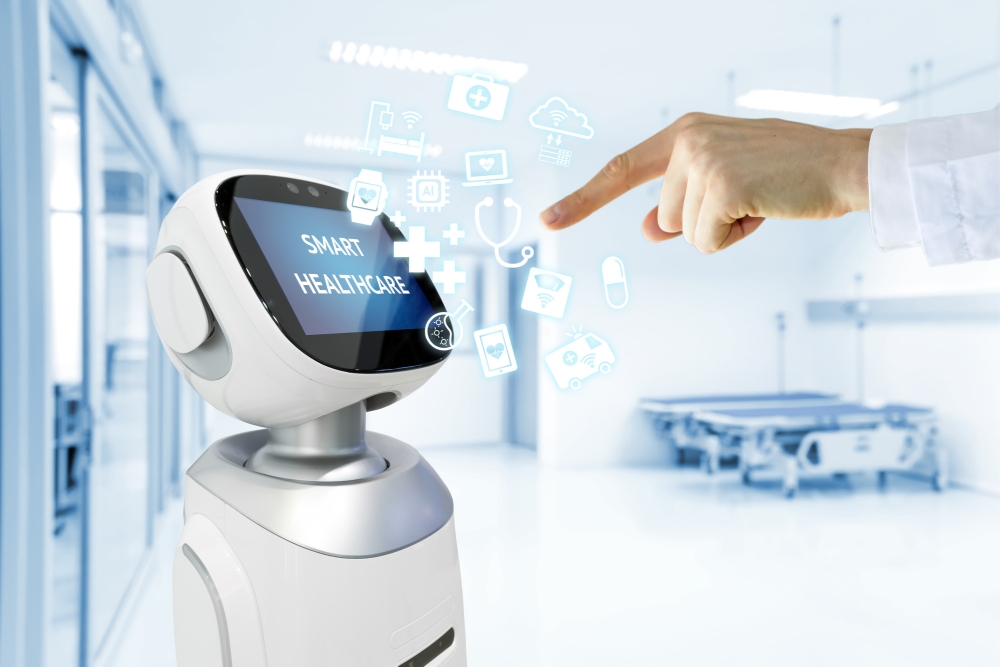
Definition
Robotics designed to help individuals with disabilities are known as assistive robotics. These machines can range from simple devices that aid in daily living to more advanced systems equipped with AI technology.
They’re created to offer sensorimotor assistance, making everyday tasks easier and promoting independent living for disabled people and senior citizens.
Our lives get a boost from these futuristic robots by taking on roles like personal carers or companions. This support enhances accessibility in homes, workplaces, and public spaces, empowering those of us who face physical challenges to engage more fully in life’s offerings without being held back by limitations.
Purpose
Assistive robotics have been developed to provide support and assistance to individuals with disabilities in their daily lives. These devices are designed to help with mobility, communication, and other tasks, empowering people with disabilities to live more independently.
The purpose of assistive robotics is to enhance accessibility, improve quality of life, and promote inclusivity for disabled individuals by providing them with the tools they need to navigate the world more effectively.
As we explore the potential of assistive robotics, it’s important for us as disabled individuals and senior citizens to understand how this technology can be harnessed for our benefit.
Types
Assistive robotics come in various types, each designed to cater to specific needs and challenges. These include:
- Mobility Assistance Robots: These robots are designed to assist individuals with mobility impairments by providing support for walking or navigating different terrains.
- Personal Care Robots: These robots offer assistance with daily activities such as bathing, dressing, medication management, and meal preparation.
- Social Companion Robots: These robots provide companionship and emotional support for individuals who may feel isolated or lonely due to their disabilities.
- Communication Aid Robots: These robots help individuals with communication barriers by providing speech assistance or facilitating communication through alternative means.
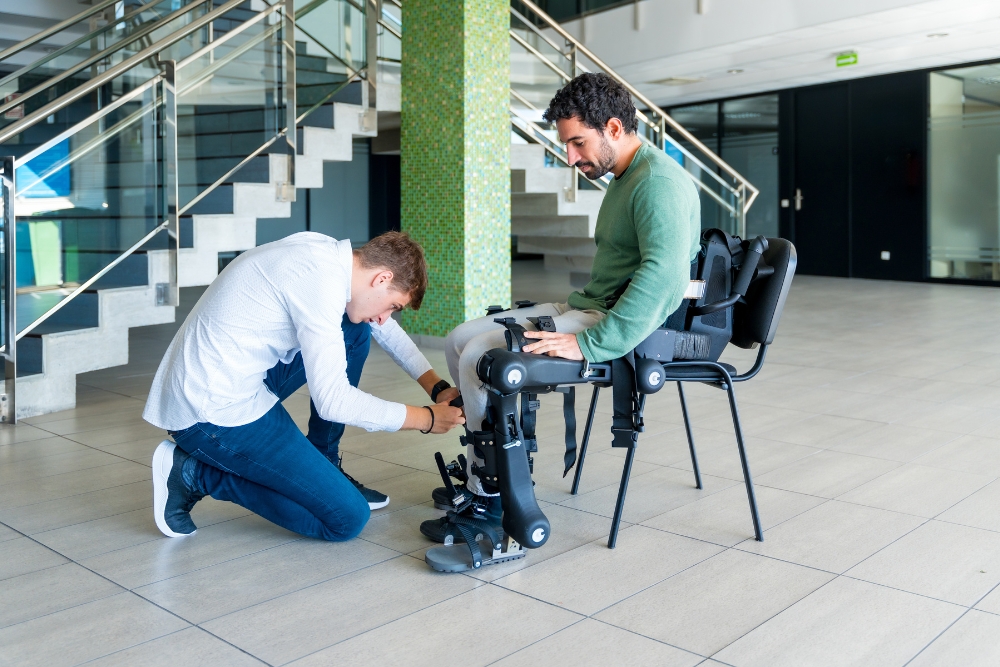
- Exoskeleton Robots: These wearable robotic devices provide physical support and assistance for individuals with limited mobility or strength.
- Prosthetic and Orthotic Robots: These advanced devices are designed to replace or enhance lost or impaired body parts, aiding in movement and functionality.
Benefits for people with disabilities
When considering the benefits for people with disabilities, it’s essential to highlight how assistive robotics can enhance daily living. These technologies provide increased independence, making it easier to perform tasks such as dressing, cooking, and mobility.
Additionally, assistive robots offer improved social inclusion opportunities by facilitating communication and interaction within the community.
Assistive robotics also contribute to enhanced safety and security for individuals with disabilities. By assisting with everyday activities and providing monitoring capabilities, these devices help mitigate potential risks while ensuring a higher quality of life.
The Future of Assistive Robotics
The future of assistive robotics looks promising with potential market growth, AI integration, and wearable technology advancements. To learn more about the exciting possibilities for disability support services, keep reading!
Potential market growth
We’re witnessing a transformative era where assistive robotics are gaining traction in disability services, promising to revolutionise care and support. The market for these technologies is on the rise, buoyed by advances in AI and the increasing demand for personalised healthcare solutions. Let’s dive into what this potential growth looks like:
| Year | Market Value | Trends |
|---|---|---|
| 2023 | USD 3.5 Billion | Adoption of AI in robotics |
| 2025 | USD 5.6 Billion | Increased demand for home care robots |
| 2030 | Projected to exceed USD 12 Billion | Integration with wearable tech |
We’re moving towards an era where these figures represent not just numbers, but real change in our lives. Next up, we’ll delve into how the integration of AI is enhancing the capabilities of assistive robotics.
Integration of AI
AI, or artificial intelligence, enhances assistive robots by enabling them to learn and adapt to the specific needs of each user. This integration allows the robot to understand and respond to natural language commands, making it easier for individuals with disabilities to control and interact with the technology.
AI also enables assistive robots to recognise patterns in a person’s daily routines and anticipate their needs, providing personalised support. Additionally, AI contributes to advancements in object recognition and navigation systems, improving the robot’s ability to assist with tasks around the home and in other environments.
By incorporating AI into assistive robotics, we’re able to develop technologies that are more intuitive, efficient, and responsive. These advancements aim not only at enhancing independence but also at promoting a better quality of life for individuals living with disabilities or impairments.
Wearable technology
Wearable technology is a game-changer for people with disabilities and senior citizens. Smartwatches, fitness trackers, and other wearable devices can monitor health metrics, provide medication reminders, and offer emergency assistance at the touch of a button.
These devices also enable individuals to stay connected with carers or loved ones in case of an emergency. Moreover, wearable technology can help track physical activity levels, encourage mobility, and support rehabilitation efforts – all contributing to enhanced independence and improved overall well-being.
Additionally, assistive wearables such as smart glasses or hearing aids equipped with advanced features can enhance accessibility in daily living activities by providing real-time captioning or language translation services.
Innovations in Assistive Robotics
Innovations in Assistive Robotics are revolutionising how people with disabilities access support. From personalised solutions to gamified rehabilitation, these advancements are improving accessibility and independence for individuals with diverse needs.
Personalisation
Assistive robotics are designed to be tailor-made for each individual’s unique needs and requirements.
This means that the technology can be personalised to fit your specific abilities, preferences, and lifestyle. Whether it’s adjusting the speed of a mobility device or customising the control interface of a robotic arm, personalisation ensures that you get the most out of these innovative tools in your daily life.
By working closely with developers and designers, you can ensure that assistive robotics cater to your needs, making them an indispensable part of your support system.
Gamification for rehabilitation
We use gamification in rehabilitation to make therapy more engaging and enjoyable. It involves turning exercises into games using technology like virtual reality or motion-sensing devices.
This can motivate us to stick with our therapy routines, and it often leads to greater progress in our recovery.
Rehabilitation through gamification provides a way for us to work on physical and cognitive skills while having fun. In these games, we might practise movements like reaching or bending, challenge our memory with puzzles, or improve hand-eye coordination with interactive activities.
Enhanced accessibility in smart homes
Smart homes are becoming more accessible to disabled individuals and senior citizens through innovative technology. We can now control lights, thermostats, and other devices with voice commands or a smartphone, making daily tasks easier for people with disabilities.
Home automation also allows for the integration of assistive robots that can help with household chores, provide reminders for medication, and even offer companionship. These technological advancements contribute to greater independence and improved quality of life for individuals with mobility challenges or other disabilities.
As smart home technology continues to advance, we all need to stay informed about how these innovations can benefit our lives. With ongoing developments in accessibility features and assistive robotics, smart homes will continue to evolve as inclusive environments cater to individual needs.
Ongoing Challenges and the Quest for Inclusivity
Involving users in the development of assistive robotics is crucial for ensuring that the technology meets the diverse needs of individuals with disabilities. Overcoming cost barriers to make these innovative solutions more accessible to everyone remains a significant challenge in the quest for inclusivity in disability services.
Involving users in development
We value your input in developing assistive robotics. Your firsthand experience with disabilities is crucial to creating technology that meets your needs effectively. By actively involving users like you in the development process, we ensure that our products are tailored to address real-world challenges faced by disabled individuals.
Your feedback and insights guide us in making assistive robotics more intuitive, accessible, and user-friendly, ultimately empowering you to live a fuller and more independent life.
As users participate in the development of assistive robotics, their unique perspectives drive innovation and foster inclusivity within the design process. This collaborative approach results in technology that not only addresses specific needs but also reflects diverse experiences among people with disabilities.
Overcoming cost barriers
In striving to make assistive robotics more accessible, we understand the significance of overcoming cost barriers. By seeking cost-effective solutions and exploring funding options, we can ensure that advanced technologies remain within reach for people with disabilities and senior citizens.
Embracing collaboration between technology developers and financial sources will help drive the affordability and widespread availability of assistive robotics in disability services.
Moreover, advocating for government support and incentivising private investment in futuristic assistive technology paves the way for a more inclusive future. Together, let’s work towards breaking down the financial obstacles that stand in the way of harnessing the full potential of assistive robotics in disability support.
Elevate in Disability Services
In conclusion, the future of assistive robotics holds great promise for transforming disability services. The potential market growth and integration of AI are paving the way for innovative solutions.
With ongoing advancements and a quest for inclusivity, assistive robotics are set to empower individuals with disabilities and senior citizens in new and profound ways. These futuristic technology trends offer hope for enhanced independence, accessibility, and support in daily living.