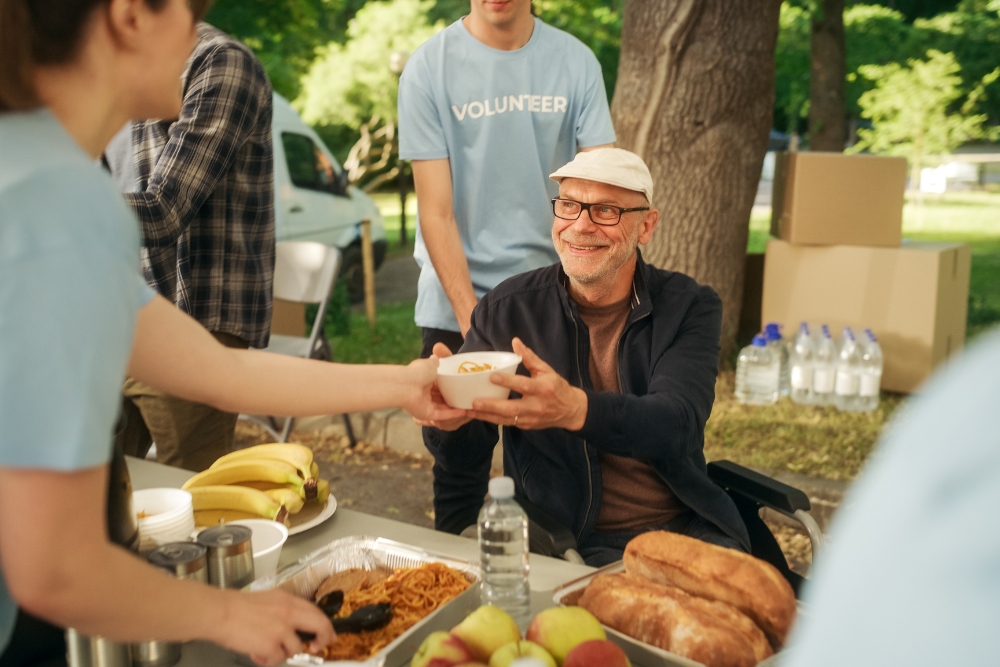
Volunteering plays an important role in building inclusive, connected communities. Within the disability community, volunteers help remove barriers, support participation, and create meaningful connections. While the focus is often on what volunteers give, the impact of volunteering is shared by everyone involved.
This article provides general information and highlights the value of volunteering within the disability community.
Why Volunteering Matters in the Disability Community
People with disability may experience social isolation, limited access to opportunities, and environments that are not designed with inclusion in mind. Volunteers help bridge these gaps by supporting programs, assisting at events, and offering time and presence where it is needed.
Volunteering also helps build understanding and connection. Spending time with people who have lived experience of disability helps challenge assumptions and encourages more inclusive attitudes across the community.
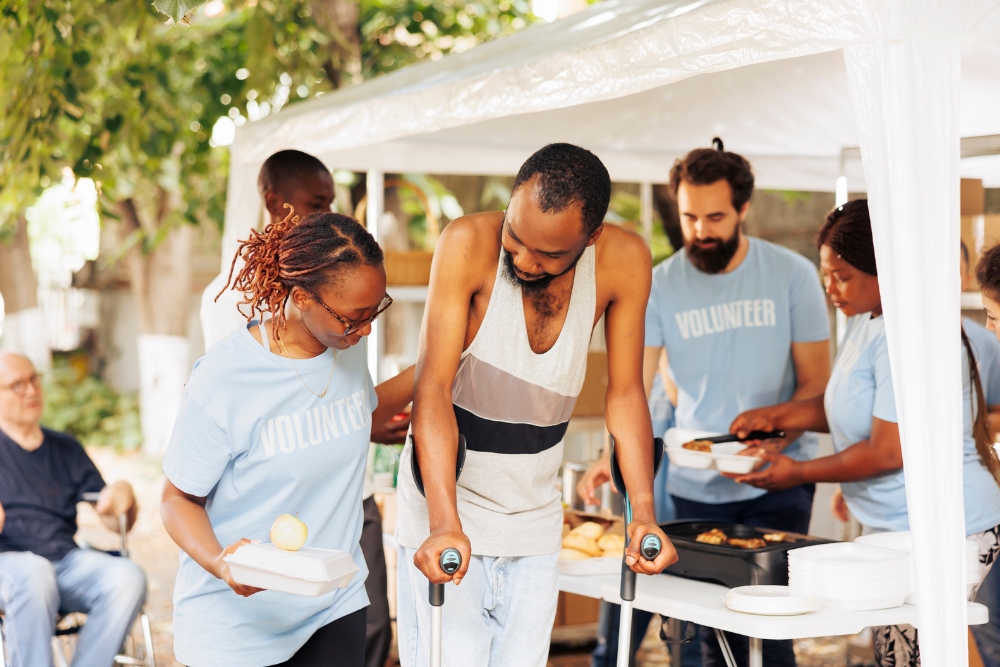
The Difference Volunteers Make
The impact of volunteering can be seen in many ways, including:
- Increased social connection and reduced isolation
- Greater access to activities and community programs
- Additional support for families and carers
- Stronger advocacy and disability awareness
- Improved confidence and wellbeing for participants
Often, it is the consistent and respectful presence of volunteers that makes the greatest difference.
The Personal Impact of Volunteering
Volunteering also has a positive impact on those who give their time. Many volunteers report personal growth and a deeper sense of connection to their community.
Common benefits include:
- Greater understanding of disability and inclusion
- Improved communication and empathy
- A stronger sense of purpose
- Development of new and transferable skills
- Lasting friendships and community connections
For some, volunteering becomes a pathway into paid work or long-term involvement in the disability sector.
Challenging Stigma Through Action
Disability discrimination is often driven by limited exposure and misunderstanding. Volunteering helps challenge stigma by creating real-world connections and shared experiences.
By working alongside people with disability, volunteers help normalise inclusion and model respectful behaviour. These everyday actions can influence attitudes far beyond the volunteer role itself.
Volunteering Looks Different for Everyone
There is no single way to volunteer. Some people contribute regularly, while others offer their time on a flexible or short-term basis. Volunteer roles may involve direct support, administration, advocacy, or digital assistance.
Finding a role that aligns with your skills, interests, and availability helps ensure volunteering is sustainable and rewarding.
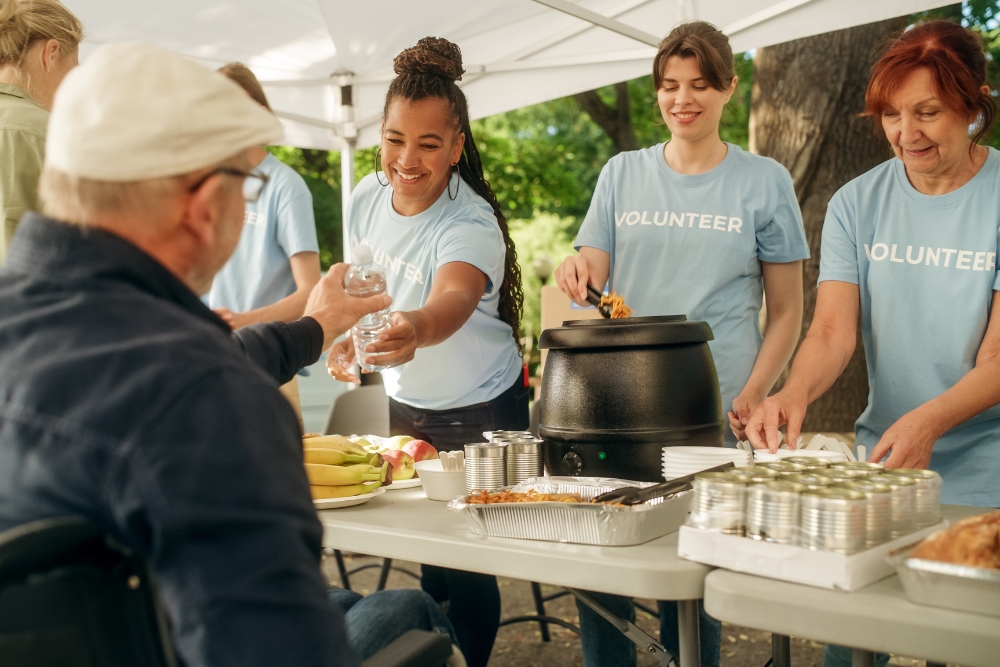
Creating Inclusive Volunteer Environments
Inclusive volunteer programs are essential for positive outcomes. Organisations can support volunteers by providing:
- Clear role descriptions and expectations
- Accessible venues, resources, and communication
- Reasonable adjustments where required
- Training and ongoing support
- Opportunities for feedback and improvement
When volunteers feel supported, the benefits extend to everyone involved.
Become a Volunteer
Volunteering within the disability community is about standing alongside others, contributing skills and time, and helping create a fairer and more inclusive society.
Through small, consistent actions, volunteers help build communities where diversity is respected, voices are valued, and everyone has the opportunity to belong.