
Navigating life with a disability can be a fair dinkum challenge, and trust us, we understand that more than most. Here in Australia, we’re part of a community where nearly 4.4 million mates are living with some form of disability, each with their own unique experiences and obstacles.
It’s our shared journey that’s sparked us to hunt down the latest tech advancements designed to make day-to-day life not just manageable but enjoyable for everyone involved.
Key Takeaways
- Assistive technologies like smart wheelchairs, bionic limbs, and adaptive keyboards are changing the way people with disabilities interact with the world. They offer greater independence and confidence in daily activities.
- Screen readers, voice commands, and universally designed websites are making digital platforms more accessible for everyone. These inclusive features enable individuals to use the internet without barriers.
- Wheelchair-accessible vehicles and public transport options with real-time tracking updates are improving mobility for those with disabilities. This leads to safer, more convenient transportation choices for all Australians.
- Inclusivity is at the forefront of design principles now more than ever. Products created with input from individuals who have disabilities ensure that innovations meet diverse needs effectively.
- Collaborative partnerships between organisations foster co-created solutions that provide tailored support services. Cutting-edge rehabilitation techniques using technology like virtual reality enhance therapy sessions for better results in mobility and coordination.
The Role of Innovation in Redefining Disability Services
Advancements in assistive technologies have made it possible for individuals with disabilities to live more independently and comfortably. In addition, the increasing accessibility of digital platforms and inclusive transportation solutions are breaking down barriers for disabled individuals.
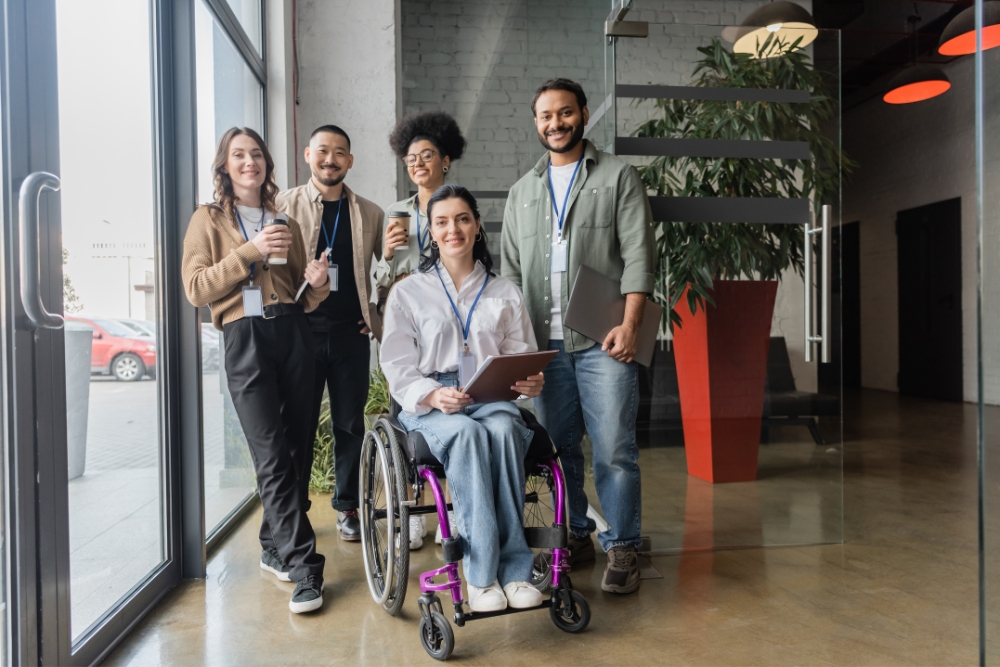
Advancements in assistive technologies
We’re witnessing a marvellous era where assistive technologies are opening up new possibilities for us every day. Smart wheelchairs are now smarter, navigating through spaces with ease and ensuring we can move around with more confidence than ever.
Voice-activated home systems give us the freedom to control our environment without lifting a finger – whether it’s adjusting the thermostat or answering the door.
Innovative solutions like bionic limbs and adaptive keyboards redefine what’s possible in our daily activities. These cutting-edge technologies not only enhance mobility but also empower us in once unimaginable ways.
Imagine typing an email or playing a song just by thinking about it; this is no longer science fiction – it’s becoming our reality, making disability support far more effective and transforming services tailored specifically to our needs.
Accessibility in digital platforms
Ensuring that digital platforms are accessible to all is vital. Technology like screen readers and voice commands makes it easier for us to navigate websites, apps, and devices. These advancements enable us to engage in the online world independently.
Customisable settings also allow us to adjust text size, contrast, and colour schemes for better readability. We can connect with others through social media, video calls, and messaging apps thanks to these inclusive design features.
It’s empowering knowing that we can access information and communicate effortlessly on digital platforms.
Moreover, many companies are adopting universal design principles when developing websites and applications. This means considering diverse needs from the start of the design process so that everyone can benefit from their products or services online.
Inclusive transportation solutions
After improving accessibility in digital platforms, we focused on inclusive transportation solutions. We have introduced wheelchair-accessible vehicles and public transport options in various cities.
These solutions aim to provide safe, convenient, and reliable transportation for people with disabilities and senior citizens. By collaborating with transport providers, we are working towards making all modes of transportation more accessible for everyone.
Integrating advanced technologies into public transit systems has enabled real-time tracking and updates on accessible routes. This ensures that individuals can plan their journeys independently without barriers or uncertainties.
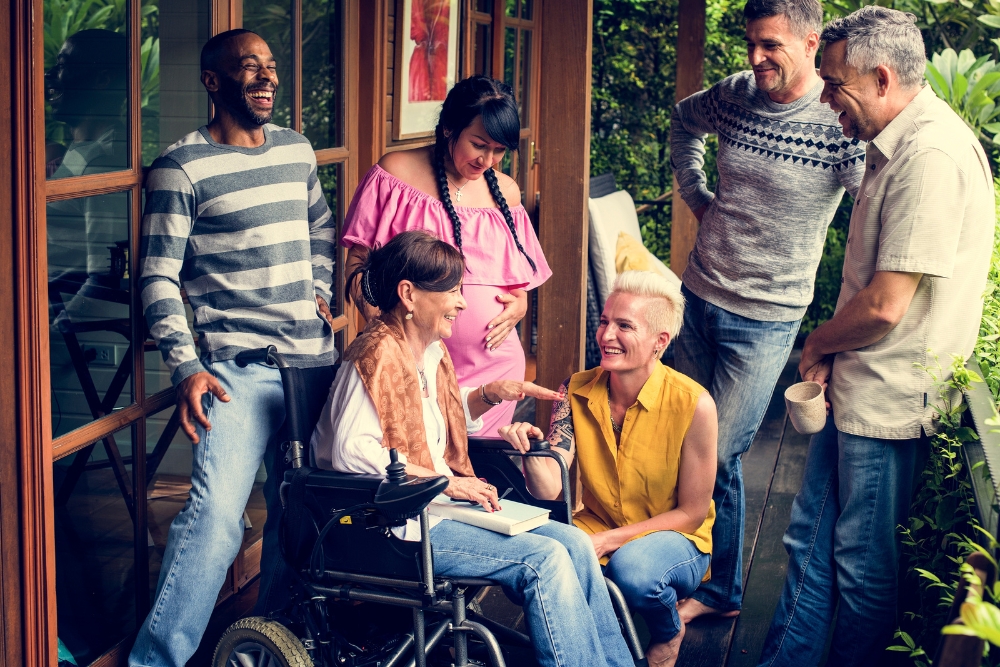
The Call for Continued Innovation
Inclusive design principles, collaborative partnerships, and cutting-edge rehabilitation techniques are essential for driving forward the transformation of disability services. By embracing these innovative approaches, we can create a more inclusive and accessible world for individuals with disabilities.
Inclusive design principles
When designing products or services, we prioritise inclusivity. We create with everyone in mind, ensuring that our innovations are accessible and usable by people of all abilities.
Our commitment to inclusive design principles means that we consider diverse needs and preferences from the outset, resulting in products and experiences that work for everyone. Through collaboration with users and experts, we incorporate features such as intuitive interfaces, customisable settings, and multiple access points to ensure that our technologies cater to a wide range of abilities.
Our approach involves co-creation with individuals who have disabilities or other challenges. By involving them in the design process, we gain valuable insights that lead to more effective solutions.
Collaborative partnerships and co-creation
We partner with organisations to co-create solutions that cater to our specific needs. These collaborations ensure that the services and technologies being developed are truly inclusive and accessible.
By working together, we can leverage expertise from various fields to create innovative solutions that empower us in our daily lives.
Our input is valuable in the co-creation process as it ensures that the resulting products and services address our unique challenges effectively. Through collaborative partnerships, we play an active role in shaping the future of disability support services, making sure they meet our diverse needs.
Cutting-edge rehabilitation techniques
We integrate advanced technologies into our rehabilitation programmes to enhance our therapy sessions. Our therapists utilise virtual reality systems for immersive and interactive exercises, which help improve mobility and coordination.
We also employ robotic exoskeletons that provide mechanical assistance during gait training, enabling us to push the boundaries of physical rehabilitation.
We incorporate cutting-edge biometric monitoring devices into our treatment plans, allowing us to accurately track progress and adjust therapies accordingly. These innovative techniques empower us to deliver personalised care tailored to individual needs, ultimately maximising the effectiveness of our rehabilitation programmes.
Discover Innovative Technologies for Disability Services
Innovation continues to redefine disability services through cutting-edge technologies. Accessibility in digital platforms is opening new doors for people with disabilities, making the online world more inclusive.
Advancements in assistive technologies are empowering individuals and enhancing their quality of life. Inclusive transportation solutions are revolutionising mobility for disabled individuals, creating a more accessible environment for all.

